
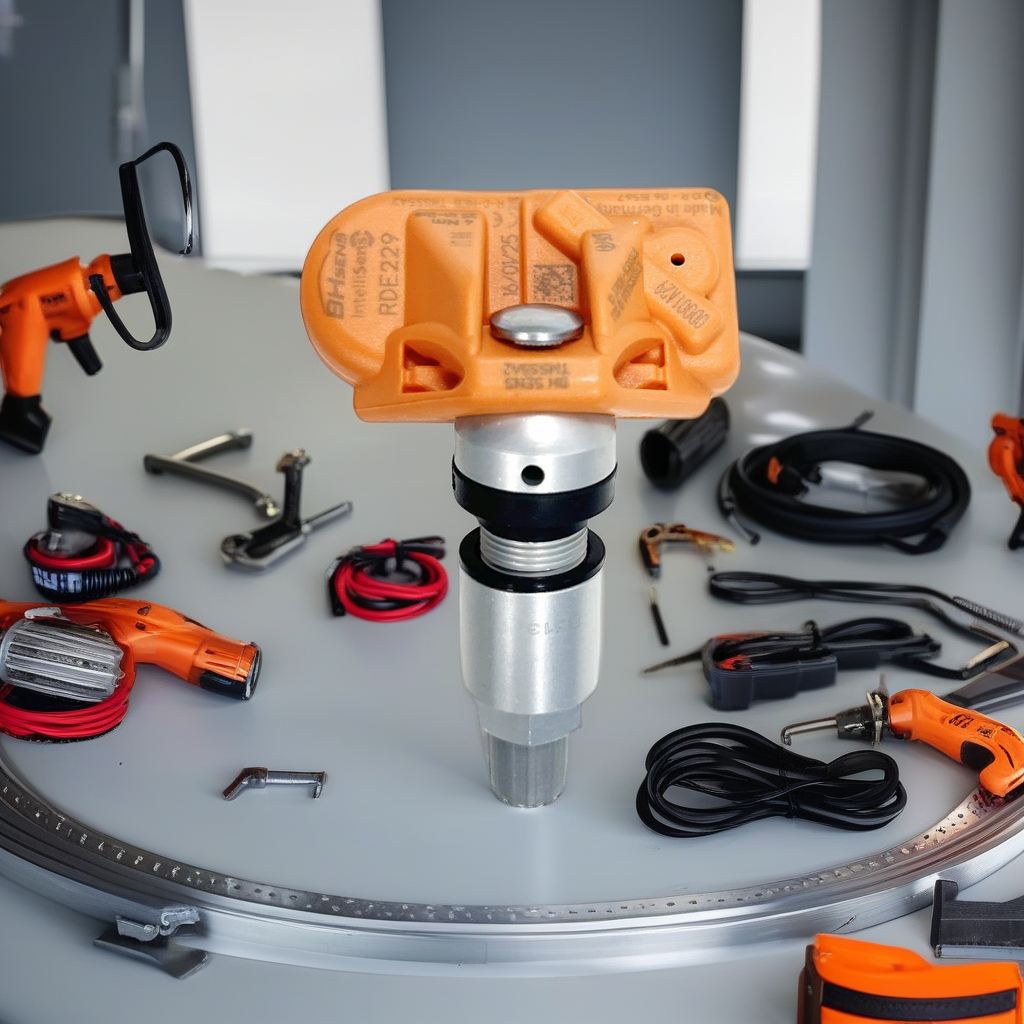
Understanding LX TPMS Sensor Compatibility
LX vehicles, particularly the LX 570 and LX 600, use TPMS sensors that operate at 433MHz. These sensors are not interchangeable with 315MHz systems found in some other vehicles. The BH-Sens RDE229V21 sensor is specifically designed for 433MHz systems and covers LX models from 2010 through 2020, though later models may require additional verification.
The key to correct fitment is matching three factors:
- Frequency – Must be 433MHz (not 315MHz)
- Valve type – Clamp-in (not snap-in)
- OE part number – Cross-reference with your existing sensor
LX TPMS Sensor Fitment by Model Year
Below is a general fitment table for the BH-Sens RDE229V21 sensor on LX vehicles. Always verify with your specific vehicle before ordering.
| LX Model | Year Range | Sensor Frequency | Valve Type | Compatible? |
|---|---|---|---|---|
| LX 570 | 2010–2015 | 433MHz | Clamp-in | Yes |
| LX 570 | 2016–2020 | 433MHz | Clamp-in | Yes (verify OE#) |
| LX 600 | 2022–2024 | 433MHz | Clamp-in | Check manual |
| LX 470 | 2006–2009 | 315MHz | Snap-in | No – different system |
Important: The LX 470 uses a 315MHz system with snap-in valves. The RDE229V21 will not work on these older models. If you own an LX 600, check your owner’s manual or existing sensor for the frequency—some early 2022 models may still use 433MHz, but later production changes may require different sensors.
How to Confirm Fitment Before Ordering
Step 1: Find Your Current Sensor Part Number
Remove any wheel and read the number printed on the TPMS sensor body. Common LX OE numbers include:
- C2D21599 (2010–2015 LX 570)
- C2D47173 (2016–2018 LX 570)
- LR021935 (2019–2020 LX 570)
- LR066378 (some 2020 models)
- LR070840 / LR156918 (late models)
The RDE229V21 | BH-Sens 433MHz TPMS Tire Pressure Sensor | Fits Jaguar, Land Rover | OE# C2D21599, C2D47173, LR021935 covers all these numbers as a pre-programmed replacement.
Step 2: Check the Valve Stem
LX sensors use clamp-in valves with a metal stem and a nut that tightens from the outside of the wheel. If your current sensor has a rubber snap-in valve, it is a different type and will not match this sensor.
Step 3: Verify Frequency with a Tool
If you have a TPMS activation tool, test your existing sensor. It should read 433MHz. If it reads 315MHz, stop—you need a different sensor.
Step 4: Use Your VIN
Most aftermarket parts stores, including risensauto.com, allow VIN-based lookups. Provide your 17-digit VIN to confirm the sensor matches your vehicle’s TPMS system.
What the RDE229V21 Sensor Includes
This sensor comes pre-programmed—it already has the correct ID protocol for LX vehicles. You do not need a separate programming tool or cloning device. It is a direct replacement for the factory sensor, including the valve stem, nut, and core.
Installation requires:
- Tire dismount (professional tire machine recommended)
- Torque the valve stem nut to manufacturer specs (usually 35–45 in-lbs; check your manual)
- Relearn procedure after installation (described below)
Relearn Procedure for LX Vehicles
After installing new sensors, you must perform a TPMS relearn. For most LX models (2010–2020):
- Drive the vehicle above 15 mph for 10–15 minutes. The system may auto-learn.
- If auto-learn fails, use a TPMS activation tool to trigger each sensor in the correct wheel order (LF, RF, RR, LR).
- Some LX models require a dealer-level scan tool for the relearn. If you have a 2018+ LX 570, consider having a shop perform the relearn.
Common Fitment Mistakes to Avoid
- Assuming all 433MHz sensors are identical – Different brands use different communication protocols. The BH-Sens sensor is designed specifically for LX and Land Rover/Jaguar systems.
- Mixing clamp-in and snap-in sensors – They use different valve stems and seal differently. LX requires clamp-in.
- Ignoring model year changes – While the LX 570 kept the same system from 2010–2020, the LX 600 may have changed. Always verify.
Recommended Part
For LX vehicles (2010–2020) needing a 433MHz clamp-in TPMS sensor, the RDE229V21 | BH-Sens 433MHz TPMS Tire Pressure Sensor | Fits Jaguar, Land Rover | OE# C2D21599, C2D47173, LR021935 is a reliable, pre-programmed option. It matches OE part numbers C2D21599, C2D47173, LR021935, and covers all LX 570 models within that range.
FAQ
Will the RDE229V21 sensor fit my 2023 LX 600?
It depends on the production date. Some 2022–2023 LX 600 models still use 433MHz sensors, but others have switched to a different frequency. Check your existing sensor for the OE number and frequency. If it matches one of the listed OE numbers (LR066378, LR070840, LR156918), it will work.
Can I install this sensor myself without a TPMS tool?
You can physically install the sensor (tire dismount required), but you will need a TPMS activation tool or a visit to a tire shop to complete the relearn. The sensor is pre-programmed, so no cloning is needed—just the relearn step.
How do I know if my LX uses 433MHz or 315MHz?
Look at your current sensor. If the part number starts with C2D or LR, it is likely 433MHz. You can also check your owner’s manual under “Tire Pressure Monitoring System” or use a handheld TPMS tool to read the frequency directly.
Does this sensor work with aftermarket wheels?
Yes, as long as the wheels have a standard TPMS valve hole (11.3mm diameter). The clamp-in valve fits most OEM and aftermarket wheels. If your aftermarket wheels have a different valve hole size, you may need an adapter.