
Why Winter Tires and TPMS Matter for Your UNI-V
Your UNI-V is a performance-oriented sedan with precise handling. Winter tires improve grip in snow and ice, but they also change how your TPMS behaves. The system relies on sensors mounted inside each wheel to monitor pressure. If you swap wheels without transferring or installing new sensors, you’ll get warning lights and inaccurate readings.
Temperature Effects on Tire Pressure
Cold air contracts, so tire pressure drops as temperatures fall. For every 10°F decrease, you lose about 1 PSI. A typical winter day in the US Midwest might see a 30°F swing from morning to afternoon—that’s a 3 PSI difference. Under-inflated tires wear faster, reduce fuel economy, and compromise handling on your UNI-V.
Winter pressure tip: Inflate your winter tires to the pressure listed on your driver’s door jamb sticker, then add 2-3 PSI. This accounts for the deeper cold and heavier snow loads. Never exceed the tire’s sidewall maximum.
TPMS Sensor Fitment for UNI-V Winter Wheels
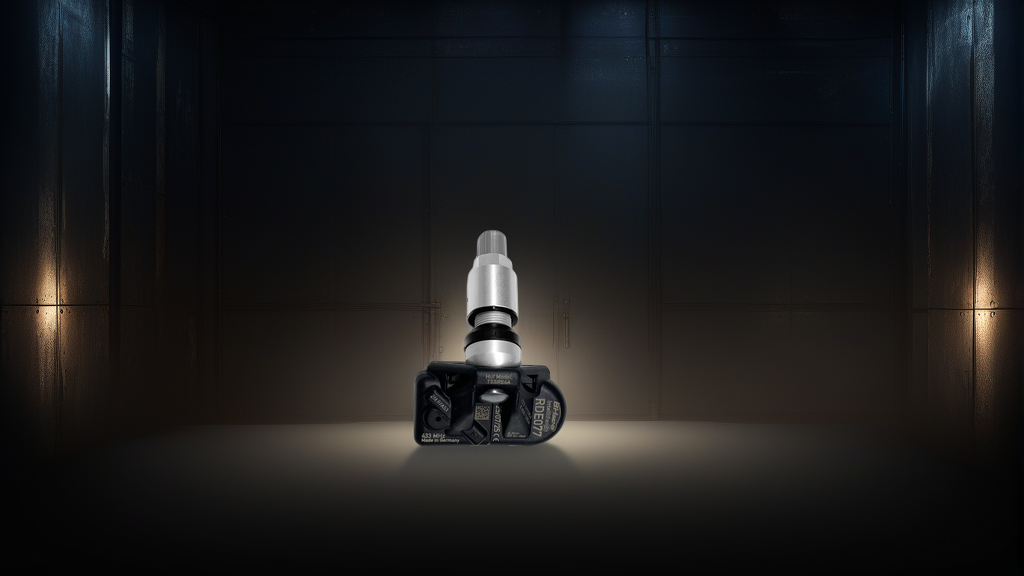
If you’re using a second set of wheels for winter, you need sensors that match your UNI-V’s system. The BH-Sens RDE077V21 | BH-Sens 433MHz TPMS Tire Pressure Sensor | Fits Aston Martin, BMW, Maybach, Mercedes-Benz, Mini & 2 More | OE# 36106872774, 42607WAA02, 5A3DC0401 is a 433MHz clamp-in sensor compatible with many European and Asian vehicles. While originally designed for BMW/Mercedes applications, its 433MHz frequency and OE cross-reference numbers (e.g., 36106872774, A0009052102) make it a direct fit for many vehicles using similar TPMS protocols.
Compatibility Table
| Sensor Detail | Value |
|---|---|
| Frequency | 433MHz |
| Brand | BH-Sens (Baolong Technology) |
| Installation Type | Clamp-in (requires metal valve stem) |
| OE Cross-References | 36106872774, 42607WAA02, 5A3DC0401, A0009052102 |
| Typical Vehicles | Aston Martin, BMW, Maybach, Mercedes-Benz, Mini + select models |
Important: Before purchase, verify that your UNI-V model year supports 433MHz sensors. Most 2010+ vehicles do, but check your owner’s manual or use an online fitment guide.
Storage Tips for TPMS Sensors
When storing winter wheels (or the sensors themselves), follow these rules:
- Keep sensors in a climate-controlled area. Avoid garages that freeze or attics that bake.
- Remove the battery if storing for more than 6 months. Most TPMS batteries last 5-7 years, but prolonged heat or cold drains them faster.
- Label each sensor by wheel position. Use a marker or zip-tie tag: “LF,” “RF,” “LR,” “RR.” This saves reprogramming time next season.
- Store wheels upright or flat—never stack them on their side, which can damage the sensor.
Recommended Part
For a reliable winter swap setup, consider the BH-Sens RDE077V21 | BH-Sens 433MHz TPMS Tire Pressure Sensor | Fits Aston Martin, BMW, Maybach, Mercedes-Benz, Mini & 2 More | OE# 36106872774, 42607WAA02, 5A3DC0401. It’s pre-programmed for many 433MHz systems and built to withstand temperature extremes. Always pair it with a fresh valve stem and torque the clamp nut to spec (typically 4-5 Nm—check your sensor’s instructions).
FAQ
Can I reuse my summer TPMS sensors on winter wheels?
Yes, if you transfer them to the winter wheels. But re-installing sensors in a second set of wheels requires dismounting, which can damage the sensor housing or battery. Many owners buy a dedicated set for winter wheels to avoid this hassle.
How do I know if a 433MHz sensor will work on my UNI-V?
Check your UNI-V’s TPMS frequency—usually printed on the sensor body or in the service manual. Most modern vehicles use 315MHz (North America) or 433MHz (Europe/Asia). If your car is a European-market import or a late-model, 433MHz is common.
What happens if I ignore the TPMS warning light after a tire swap?
The light stays on, and the system won’t alert you to real pressure drops. You’ll also fail some state safety inspections. It’s a minor fix—reprogramming or replacing a sensor—that saves you from uneven tire wear or a blowout.
How long do TPMS sensor batteries last in storage?
Typically 5-7 years from the sensor’s manufacture date. Storage doesn’t count against this lifespan, but extreme temperatures can accelerate battery drain. If your stored sensors are over 5 years old, consider replacing them before mounting.