
Why Winter Tire Swaps Demand TPMS Attention
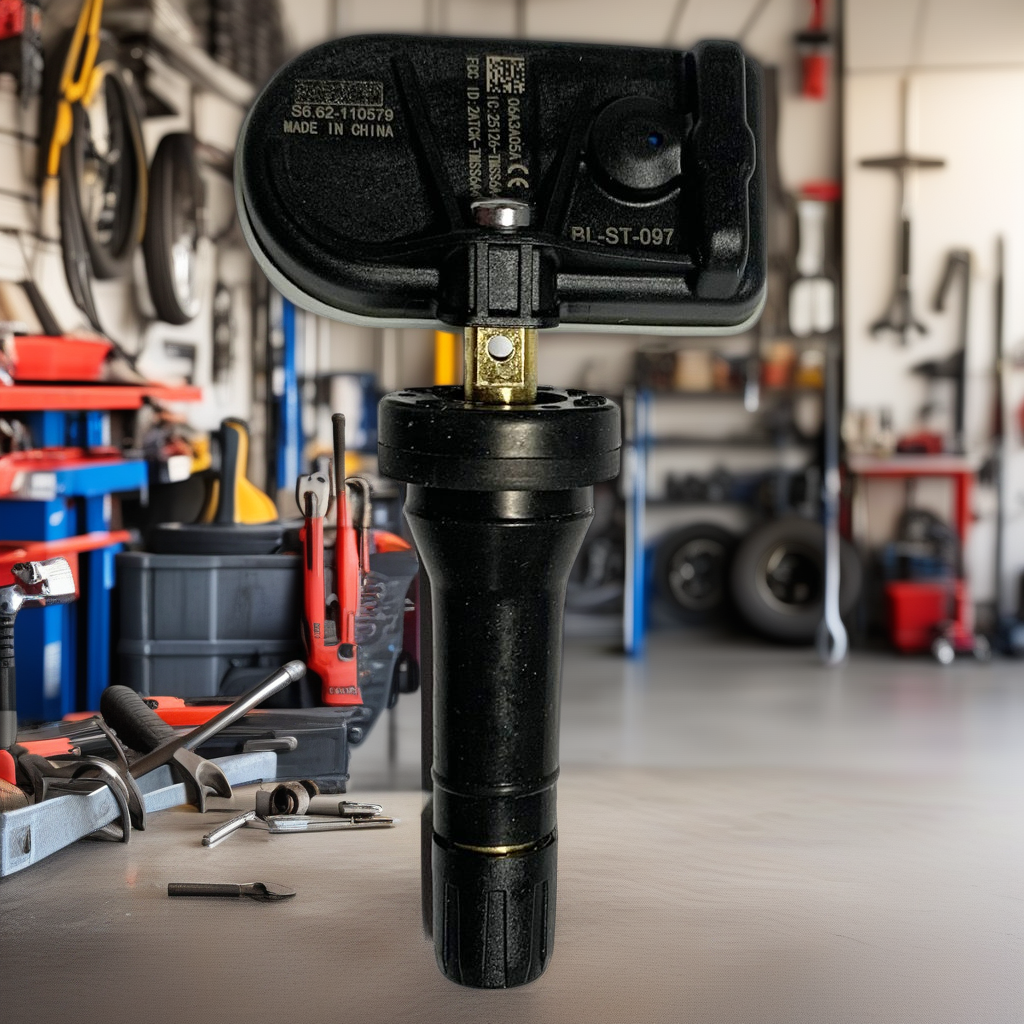
The EQUINOX EV uses a direct TPMS system that measures actual tire pressure inside each wheel. During a winter tire swap, you have two options: transfer the original sensors from the all-season wheels to the winter set, or install dedicated sensors in the winter wheels. Either way, the sensors must be compatible with the vehicle’s 433MHz receiver. The BL-ST-097 (OE# 13530661, 13533166, 13538565) is a direct-fit, pre-programmed clamp-in sensor that works with the EQUINOX EV without additional programming.
Pressure Changes with Temperature: What to Expect
A common winter surprise is the low-pressure warning light after the first cold snap. Here’s why:
| Temperature Drop | Approximate PSI Loss per Tire | Effect on EQUINOX EV (Recommended 36–38 PSI cold) |
|---|---|---|
| 30°F to 20°F | 1–2 PSI | Light may trigger if already borderline |
| 30°F to 0°F | 3–4 PSI | Warning light almost certain |
| 30°F to -10°F | 4–5 PSI | Low pressure alarm; check and fill immediately |
Don’t ignore the light. The EQUINOX EV’s TPMS is calibrated for optimal tire contact and range efficiency. Under-inflated tires increase rolling resistance, reducing battery range by up to 3–5% in cold weather. Fill tires to the pressure listed on the driver’s door jamb after the car has sat for at least three hours (cold inflation).
Storage Tips for Removed TPMS Sensors
If you keep dedicated summer/all-season wheels with sensors installed, follow these steps:
- Remove batteries? Most modern sensors (including BL-ST-097) have sealed batteries lasting 5–7 years. Do not attempt to open them. Simply store the wheels indoors, away from direct sunlight and extreme cold.
- Label each sensor by wheel position (LF, RF, LR, RR) using masking tape. This prevents relearn confusion next season.
- Avoid moisture. Stack tires horizontally or stand them vertically in a dry area. Use tire bags if storing in a garage with temperature swings.
- Check valve stems. Before reinstalling, inspect the rubber or metal valve stem for cracks. The BL-ST-097 uses a metal clamp-in design that resists corrosion better than rubber stems.
Recommended Part: BL-ST-097 for Your EQUINOX EV
For a hassle-free winter setup, BL-ST-097 | BH-Sens 433MHz TPMS Tire Pressure Sensor | Fits Buick, Cadillac, Chevrolet, Nevo | OE# 13530661, 13533166, 13538565 is a pre-programmed 433MHz sensor that pairs seamlessly with the EQUINOX EV. It replaces OE numbers 13530661, 13533166, 13538565, and 13549707. Since it’s clamp-in and pre-programmed, you can install it in your winter wheels and skip the TPMS relearn procedure—just mount the wheels and drive.
FAQ
Will the EQUINOX EV automatically recognize new TPMS sensors after a tire swap?
Yes, if the sensors are the correct 433MHz frequency and pre-programmed (like the BL-ST-097), the vehicle will auto-detect them within a few minutes of driving above 15 mph. No scan tool is needed for pre-programmed units. If you use unprogrammed sensors, you’ll need a TPMS tool or a dealership visit to complete the relearn.
How often should I check tire pressure on the EQUINOX EV in winter?
Check cold tire pressure at least every two weeks during winter. Temperature swings of 20–30°F can drop pressure by 2–3 PSI, which may not trigger the warning light but still hurts range and handling.
Can I use summer TPMS sensors in winter wheels, or do I need separate ones?
You can reuse the same sensors if you swap them into the winter wheels. However, if you plan to keep both sets of wheels fully assembled, purchase a second set of sensors (like the BL-ST-097) to avoid dismounting and remounting sensors twice a year. This saves time and reduces the risk of valve stem damage.
What is the battery life of the BL-ST-097 sensor, and can it be replaced?
The BL-ST-097 has a sealed lithium battery rated for 5–7 years of normal use. The battery is non-replaceable; once it dies, the entire sensor must be replaced. Given the sensor’s affordability, replacement is more practical than attempting a battery swap.