
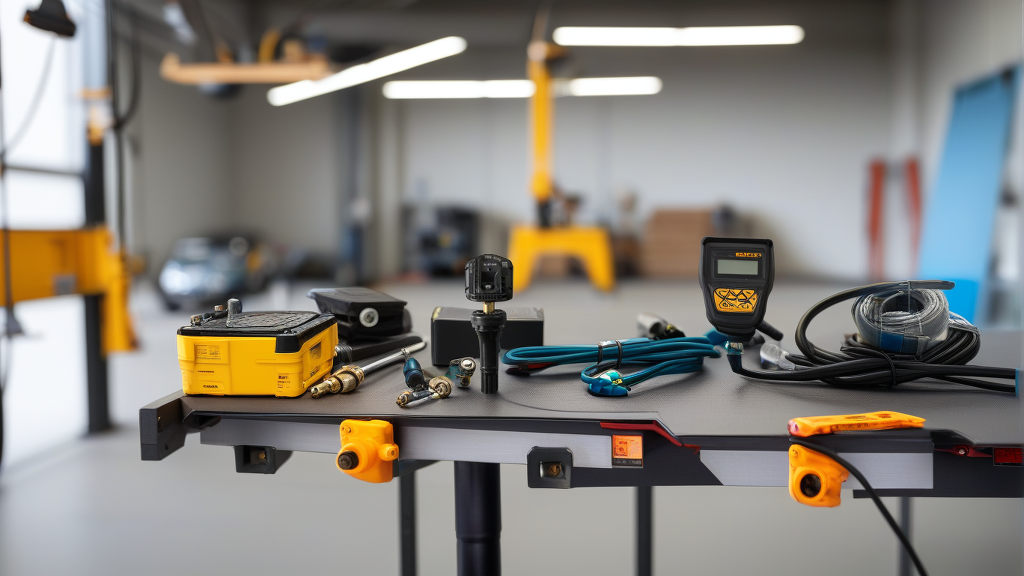
Why Your ATS-L TPMS Light Turns On
The Tire Pressure Monitoring System on the ATS-L uses direct TPMS sensors mounted inside each wheel. These sensors transmit pressure and temperature data to the vehicle’s receiver. When the warning light activates, it means the system has detected a fault — not necessarily low pressure. Here are the three most common causes:
1. Dead Sensor Battery (Most Common)
Each BH-Sens TPMS sensor contains a non-replaceable lithium battery rated for 5–7 years of normal driving. Once the battery voltage drops below the operating threshold (typically around 2.4V), the sensor stops transmitting. On the ATS-L, this usually happens first on the sensor that experiences the most temperature cycles or vibration — often the left-front or right-rear.
Symptoms of a dead sensor battery:
- The TPMS light stays on continuously after driving 10–15 minutes
- Individual tire pressure readings show dashes (
--) or zero on the dashboard - The light may flash for 60–90 seconds at startup, then stay solid
- Cold mornings trigger the light even when tires are properly inflated (the weak battery fails to transmit at lower voltage)
2. Physical Sensor Damage or Corrosion
The ATS-L uses clamp-in TPMS sensors with a metal valve stem. Road salt, moisture, and debris can corrode the sensor’s antenna or pressure port. This is especially common in colder regions where winter road treatment is used. A damaged sensor will either transmit erratic data (e.g., pressure jumping 10 psi within seconds) or stop transmitting entirely.
3. Signal Interference
TPMS sensors operate on a 433MHz radio frequency band. Aftermarket electronics installed in or near the ATS-L can disrupt this signal. Common culprits include:
- Dashcams with poor shielding (especially rear-facing cameras mounted near the rear windshield where the TPMS receiver antenna is located)
- Aftermarket LED license plate lights or interior footwell lights
- Metallic window tint (ceramic or carbon tint is usually fine, but metallic tint can act as a Faraday cage)
- USB chargers plugged into the center console or rear seat ports
The receiver module in the ATS-L is typically located under the rear parcel shelf or near the C-pillar. If interference is suspected, temporarily disconnect aftermarket electronics one by one while monitoring the TPMS light.
Diagnosing the Problem Step-by-Step
Step 1: Check Actual Tire Pressures
Use a manual gauge to verify all four tires are at the recommended pressure (found on the driver’s door jamb sticker). If pressures are correct but the light remains on, the issue is likely sensor-related, not inflation-related.
Step 2: Look for Dashes or Frozen Readings
On the ATS-L’s driver information center, scroll to the tire pressure display. If one or more tires show dashes (--), that sensor is not communicating. A single dash typically means a dead battery or failed sensor. If all four show dashes, the receiver module or its antenna may have failed.
Step 3: Use a TPMS Scan Tool
A universal TPMS scan tool (like an Autel TS508 or Bartec Tech400) can read each sensor’s ID, battery voltage, and signal strength. This is the definitive way to confirm a dead battery. For the ATS-L, the typical trigger threshold is when battery voltage drops below 2.2V. Any sensor reading below 2.4V should be considered at end of life.
Step 4: Test for Interference
If all sensor batteries test above 2.5V and IDs are recognized, but the light still flickers or triggers intermittently, interference is likely. Park the car, turn off the ignition, and remove any aftermarket electronics plugged into the OBD-II port, USB ports, or power outlets. Drive for 10 minutes. If the light goes out, the interference source has been identified.
TPMS Sensor Fitment Table
| Vehicle Brand | Model Years (Approx.) | OE Part Numbers | Frequency |
|---|---|---|---|
| Cadillac | ATS, ATS-L (2013–2019) | 13530661, 13533166, 13538565, 13538566, 13538761, 13549707 | 433MHz |
| Buick | LaCrosse, Regal, Enclave (2014–2020) | 13530661, 13533166 | 433MHz |
| Chevrolet | Equinox, Malibu, Traverse (2015–2021) | 13538565, 13538566 | 433MHz |
| Nevo | Select models (2016–2020) | 13538761, 13549707 | 433MHz |
Always confirm your specific vehicle’s model year and OE part number before purchasing. The BL-ST-048 covers the most common ATS-L applications.
When to Replace vs. Relearn
Replace
If you have one dead sensor, replace it. It is strongly recommended to replace all four sensors at the same time if they are all from the same original set and the vehicle is over 5 years old. The remaining sensors will likely fail within 6–12 months, and replacing them one at a time means multiple trips to the tire shop.
Recommended Part: BL-ST-048 | BH-Sens 433MHz TPMS Tire Pressure Sensor | Fits Buick, Cadillac, Chevrolet, Nevo | OE# 13530661, 13533166, 13538565 — This BH-Sens 433MHz sensor (BL-ST-048) is pre-programmed to match OE part numbers 13530661, 13533166, 13538565, and others. It is a direct clamp-in replacement for the ATS-L and requires no additional programming before installation.
Relearn
After replacing any TPMS sensor on the ATS-L, the system must learn the new sensor IDs. This can be done using:
- A TPMS activation tool (pointed at each tire in a specific order)
- The vehicle’s own relearn procedure (check your owner’s manual for the exact sequence, typically involving the horn and hazard lights)
- A professional scan tool at a tire shop (usually $20–$40)
The ATS-L uses a “auto-relearn” mode in some model years, but it is safer to use a trigger tool to avoid driving around for 20 minutes waiting for the system to pick up the new IDs.
FAQ
Can I replace just one TPMS sensor on my ATS-L, or should I replace all four?
You can replace a single sensor, but if your car is 5 years or older, the other three sensors are likely near the end of their battery life. Replacing all four at once saves labor costs and prevents a repeat warning light within a year. If budget is a concern, replace the faulty one and plan to do the remaining three within 12 months.
Will aftermarket wheels or tires cause my TPMS light to come on?
Aftermarket wheels do not directly cause the TPMS light unless they lack the sensor mounting provision or the sensors were not transferred. However, aftermarket tires with thicker sidewalls or run-flat construction can sometimes dampen the sensor’s radio signal slightly. In most cases, the light stays off if the correct sensors are installed and programmed.
How do I know if my ATS-L has signal interference vs. a dead sensor?
Dead sensor symptoms are consistent: the light is always on, and the specific tire shows dashes or a frozen reading. Signal interference symptoms are intermittent: the light flickers, turns on and off without pattern, or only triggers when certain electronics are in use (e.g., while charging a phone at the rear console). A TPMS scan tool will confirm battery voltage — if all sensors show 2.5V or higher, interference is the likely cause.