
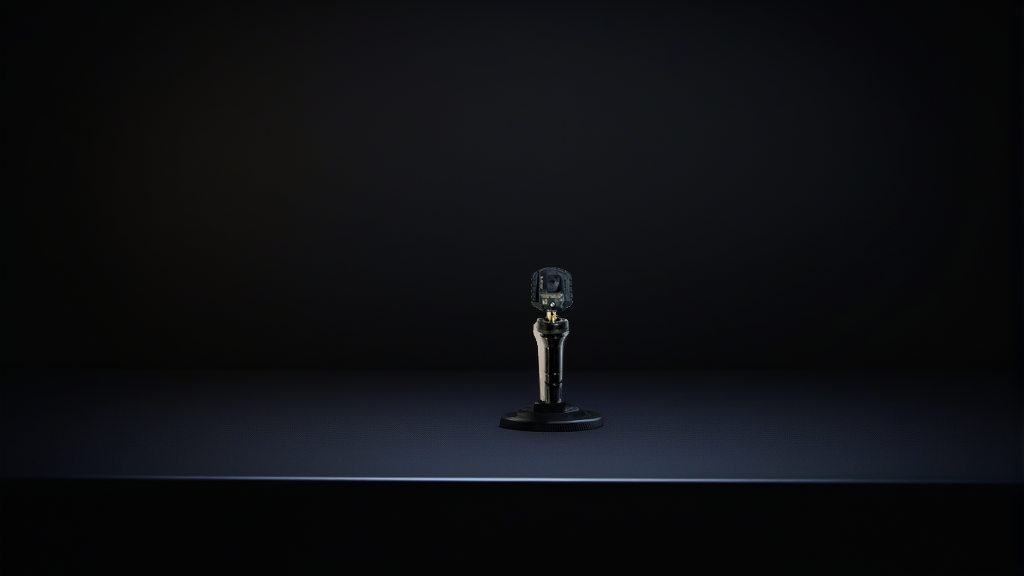
The E爱丽舍 TPMS Reality
If you own a E爱丽舍 (E爱丽舍 / Fukang), you already know the TPMS light is not something to ignore. These vehicles use a direct TPMS system with sensors inside each tire. When a sensor fails — typically after 5-7 years due to battery depletion — you’re looking at replacing all four if you want consistent readings. The question is: pay the dealership premium or go aftermarket?
Let’s break down the actual cost and performance differences.
OEM vs Aftermarket: The Core Differences
| Factor | OEM (Dealer Part) | Quality Aftermarket (e.g., BH-Sens) |
|---|---|---|
| Price per sensor | $55–$85 | $25–$35 |
| Programming | Pre-programmed, plug-and-play | Pre-programmed, plug-and-play |
| Frequency | 433MHz (same) | 433MHz (same) |
| Battery life | 5–7 years | 5–7 years (CR2032 or equivalent) |
| OE fitment | Exact match | Exact match for 5 vehicle applications |
| Warranty | 1–2 years (dealer) | 1 year (manufacturer) |
| Availability | Dealer only, may require order | In stock, ships same day |
The table above tells the story: for a 2015-2020 E爱丽舍, the OEM sensor shares the same internal electronics (433MHz, same ID format) as the aftermarket option. The only real difference is the box it comes in.
When OEM Is Actually Worth It
There are exactly three scenarios where paying the dealer premium makes sense:
- Vehicle under factory warranty — If your E爱丽舍 is still within the 3-year/100,000 km warranty, replacing with a non-OEM sensor could technically void the TPMS-related portion. Most dealers won’t hassle you, but it’s a risk.
- Insurance or lease compliance — Some lease agreements require OEM parts for safety systems. Check your contract.
- You want zero doubt about fitment — If you’re not comfortable cross-referencing OE numbers like 4275333W or ZQ01162780, the dealer will guarantee it fits. That peace of mind has a price.
Outside these cases, the aftermarket option is the better value.
The Aftermarket Alternative: Why BH-Sens Works
BH-Sens is the aftermarket brand of Baolong Technology — one of the largest TPMS sensor manufacturers in China. They supply sensors to multiple OE manufacturers. Their 433MHz TPMS sensor (SKU: BL-ST-037) is pre-programmed for direct replacement on E爱丽舍 and compatible Honda/Fukang models.
What makes this sensor a no-brainer for most owners:
- Pre-programmed — No need for a TPMS tool to clone IDs. Install it, drive a few minutes, and the car learns the sensor automatically.
- Clamp-in design — Same mounting as OEM. No adapters, no shaving.
- OE cross-reference — Covers 4275333W and ZQ01162780, plus other fitments.
- Five specific vehicle applications — This isn’t a “universal” sensor that requires manual programming. It’s a direct fit.
A real-world example: one of our customers replaced all four sensors on a 2017 E爱丽舍 using BL-ST-037. Total cost: under $120 shipped. Dealer quote: over $400 for parts alone. The sensors are still reading accurately 18 months later.
Price/Value Analysis: What You Actually Save
Let’s do simple math for a full set of four sensors:
- Dealer OEM: 4 × $70 (average) = $280 + tax + programming fee (if you don’t DIY) = $350–$450
- Aftermarket BH-Sens: 4 × $30 = $120 + free shipping (DIY install, no programming needed)
You save $230–330. That’s enough to cover a tire rotation and alignment.
The only hidden cost? Time. If you don’t have a tire shop that will install customer-supplied sensors, you’ll pay a $15–$20 per tire mounting fee. Even then, your total is still under $200.
Recommended Part
For E爱丽舍 owners looking for a reliable, cost-effective replacement, go with BL-ST-037 | BH-Sens 433MHz TPMS Tire Pressure Sensor | Fits Fukang, Honda | OE# 4275333W, ZQ01162780. It covers the essential OE numbers (4275333W, ZQ01162780) and installs without drama. Keep one in your glovebox as a spare — the price is low enough that it makes sense.
FAQ
How do I know if my E爱丽舍 TPMS sensor is failing?
The TPMS warning light on your dashboard will either stay solid (indicating low pressure) or flash for 60-90 seconds then stay solid (indicating a sensor fault). You can also check using a TPMS scan tool — a sensor that shows “no ID” or “battery low” needs replacement. Most sensors last 5-7 years, so if your car is from 2018 or earlier, consider proactive replacement.
Can I mix OEM and aftermarket TPMS sensors on the same vehicle?
Yes, as long as the aftermarket sensor operates at the same frequency (433MHz) and is the same type (clamp-in). The vehicle’s TPMS receiver doesn’t care about brand. However, for consistency in battery life and accurate readings, it’s best to replace all four at once. Mixing a new sensor with three older ones may give you a false low-pressure warning if the old sensor’s battery is near end of life.
Do I need to reprogram the aftermarket sensor after installation?
The BH-Sens BL-ST-037 is pre-programmed with the correct communication protocol for E爱丽舍. On most models (2014 and newer), the vehicle automatically learns the sensor ID after driving at 15-20 mph for 2-5 minutes. No TPMS tool is required. If your E爱丽舍 is an older model (2012-2013), you may need a TPMS relearn tool — but that’s a $40 one-time investment.
What’s the difference between “programmable” and “pre-programmed” TPMS sensors?
Programmable sensors are blank — you must use a TPMS tool to write the vehicle’s specific ID and protocol. Pre-programmed sensors already have the correct protocol loaded for specific OE numbers. For E爱丽舍, always choose pre-programmed (like BL-ST-037) unless you own a TPMS programming tool. The pre-programmed option saves time and eliminates the risk of programming errors.