
Why Winter Tire Swaps Demand TPMS Attention
BMW’s TPMS (Tire Pressure Monitoring System) is direct-reading — each wheel has a sensor transmitting pressure and temperature data to the car’s ECU. When you swap to winter tires, you must either install sensors in the winter set or reuse the existing ones. Ignoring this triggers persistent warning lights and can disable stability control systems.
Understanding Temperature vs. Pressure Changes
Tire pressure drops roughly 1 PSI for every 10°F (5.6°C) decrease in ambient temperature. In many regions, winter means 30–50°F colder than summer, so a properly inflated summer tire at 35 PSI can read 30–32 PSI in deep winter — low enough to trigger a BMW TPMS warning.
| Condition | Typical Pressure Drop | Action Required |
|---|---|---|
| Summer to winter swap (30°F drop) | 3–5 PSI | Inflate winter tires +2–3 PSI above door sticker |
| Sudden cold snap (20°F overnight) | 1–2 PSI | Check and adjust before driving |
| Snow driving (packed snow on sensor) | False low reading | Clear snow from valve area |
Practical tip: Set your winter tires to 2–3 PSI higher than the BMW door sticker recommendation. This compensates for cold weather and improves tire bite on snow without sacrificing ride comfort.
Installing TPMS Sensors in Winter Wheels
If your winter wheels don’t have sensors, you have three options:
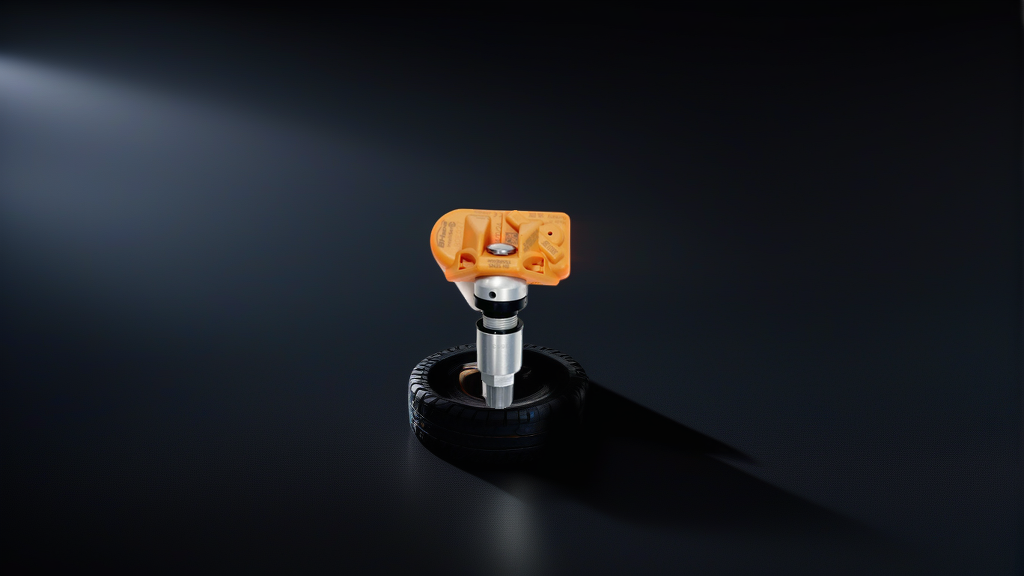
- Use pre-programmed sensors like the RDE027V21 | BH-Sens 433MHz TPMS Tire Pressure Sensor | Fits Alpina, BMW, Mini | OE# 36106856209, 36106881890, 6855539 — these are clone-ready and work with BMW, Mini, and Alpina models using 433MHz frequency. No programming tool needed if the shop clones your existing sensor IDs.
- Reuse your summer sensors — swap them over during tire change. This saves cost but requires dismounting tires twice a year.
- Buy a second set of OE-matched sensors — ideal for owners who swap wheels themselves. The BH-Sens RDE027V21 (OE# 36106856209, 36106881890, 6855539) is a drop-in fit for many 2008–2020 BMW 3 Series, 5 Series, X3, X5, and Mini models.
Installation note: Always replace the valve stem seal, metal washer, and torque the sensor nut to manufacturer spec (check your wheel supplier — typically 4–6 Nm). Overtightening cracks the sensor housing.
Storing Off-Season TPMS Sensors
Improper storage kills sensor batteries faster than use. Follow these steps:
- Remove batteries? No — most TPMS sensors (including BH-Sens) have sealed lithium batteries. Do not attempt to open them.
- Temperature range: Store between 32°F–80°F (0°C–27°C). Below freezing for months can slow battery chemistry and cause premature failure.
- Humidity control: Keep in a sealed plastic bag with a silica gel packet to prevent moisture corrosion on the PCB.
- Label each sensor by wheel position (LF, RF, LR, RR) so you can match IDs next season.
Recommended Part
For BMW, Mini, or Alpina owners needing a reliable 433MHz sensor for winter wheels, the RDE027V21 | BH-Sens 433MHz TPMS Tire Pressure Sensor | Fits Alpina, BMW, Mini | OE# 36106856209, 36106881890, 6855539 offers pre-programmed convenience and direct OE fitment. It eliminates the need for a cloning tool during installation — just provide your existing sensor IDs to the tire shop.
FAQ
Can I drive my BMW with the TPMS light on all winter?
You can, but it’s not recommended. The TPMS light disables certain chassis stability functions and may cause the car to fail a safety inspection. More importantly, underinflated tires increase hydroplaning risk on slush and reduce snow traction.
Do I need to reprogram sensors every time I swap wheels?
No — if your sensors are pre-programmed to match your car’s original IDs (cloned), the BMW system will recognize them automatically. Only a full sensor replacement or a new set with different IDs requires reprogramming.
How long do TPMS sensor batteries last in cold climates?
Typical lithium battery life is 5–7 years regardless of climate, but extreme cold (below -20°F) can reduce usable life by 10–15%. If your sensors are over 5 years old, consider replacing them during a winter tire swap to avoid mid-season failure.
What pressure should I run in my BMW winter tires?
Start with the pressure listed on your driver’s door placard, then add 2–3 PSI. For example, if the sticker says 32 PSI, fill winter tires to 34–35 PSI cold. Check pressure monthly — cold weather causes slow leaks at valve stems and bead seats.