
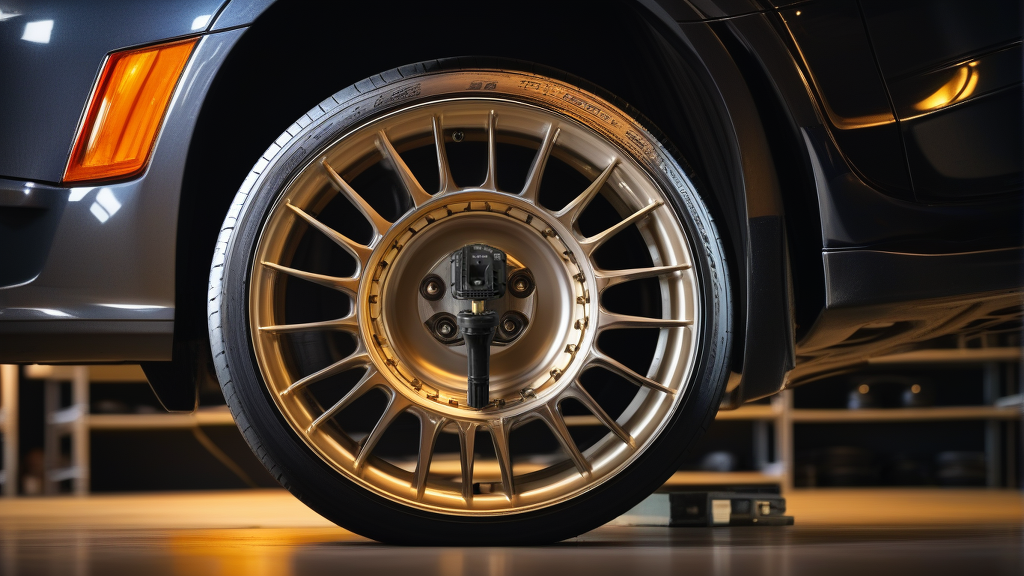
Understanding the Nevo TPMS System
Nevo vehicles use a direct TPMS system, meaning each wheel has a physical sensor mounted inside the tire. These sensors transmit pressure and temperature data via a 433MHz radio frequency to the vehicle’s receiver module. When the warning light stays on solid or flashes, the system has detected an issue that requires diagnosis.
Common Causes of a Nevo TPMS Warning Light
1. Dead or Weak Sensor Battery
TPMS sensor batteries are non-replaceable and typically last 5–7 years. If your Nevo is 2018 or older, the original sensors are likely near end of life. Symptoms include:
- Warning light comes on intermittently, then stays solid
- One specific tire shows no pressure reading on the dash
- Light flashes for 60–90 seconds on startup, then stays on
2. Tire Pressure Below Threshold
Under-inflation is the most common trigger. Nevo models require pressures between 32–38 PSI depending on the tire size. If all four tires read low, check for a slow leak or seasonal temperature drop (pressure drops ~1 PSI per 10°F).
3. Sensor Damage or Corrosion
Valve stem corrosion from road salt or debris can cause slow air leaks. A damaged sensor housing (from tire changes or curb impacts) will also trigger the light.
4. Signal Interference
Some aftermarket accessories can block or scramble the 433MHz signal:
- Metalized window tint (especially ceramic or metallic films)
- LED light bars or interior lighting with poor shielding
- Dashcam power cables running near the TPMS receiver (usually behind the glove box or center console)
Diagnosis tip: If the warning light appears only after installing new accessories, temporarily disconnect them to confirm the cause.
Dead Sensor Battery Symptom Checklist
| Symptom | Likely Cause | Action |
|---|---|---|
| Single tire shows no pressure | Dead sensor battery or damaged sensor | Replace that sensor |
| All tires show no reading | Receiver module failure or blown fuse | Check TPMS fuse, scan for codes |
| Light flashes then stays on | Low battery in one or more sensors | Use a TPMS tool to check battery voltage |
| Reading shows “—” or dashes | Sensor not communicating | Relearn procedure needed or sensor dead |
How to Diagnose Signal Interference
- Park near another vehicle — if the light clears, a nearby transmitter (like another TPMS system or a radio tower) may be causing temporary interference.
- Check aftermarket electronics — turn off or remove any recently installed LED lighting, phone chargers, or dashcams.
- Use a TPMS diagnostic tool — scan for sensor IDs. If the tool can’t communicate with a sensor but the sensor is known to be good, signal blockage is likely.
Recommended Part for Nevo TPMS Replacement
For Nevo models requiring 433MHz sensors (2015–2022 model years), the BL-ST-048 | BH-Sens 433MHz TPMS Tire Pressure Sensor | Fits Buick, Cadillac, Chevrolet, Nevo | OE# 13530661, 13533166, 13538565 is a pre-programmed, clamp-in sensor that matches the original Baolong Technology units. No cloning or programming tool is needed for most Nevo applications — it auto-learns after a standard relearn procedure.
Fitment note: This sensor also fits Buick, Cadillac, and Chevrolet models using OE numbers 13530661, 13533166, 13538565, 13538566, 13538761, and 13549707. Always verify your Nevo’s sensor frequency by checking the original sensor label or using a TPMS tool.
FAQ
Can I replace just one Nevo TPMS sensor, or do I need all four?
You can replace a single sensor if it’s the only one with a dead battery. However, if your Nevo is over six years old, replacing all four at once saves labor costs and prevents future failures. The system will relearn the new sensor IDs automatically in most Nevo models.
How do I reset the TPMS light after replacing a sensor on a Nevo?
Most Nevo models reset automatically after driving above 20 mph for 10–15 minutes. If the light stays on, use the TPMS reset button (usually under the steering column or in the glove box) or perform a manual relearn using a TPMS tool.
Will aftermarket wheels or tires cause TPMS interference on my Nevo?
Aftermarket wheels usually do not cause interference unless they are made of steel (rare) or have metal valve stem caps. However, aftermarket TPMS sensors that are not 433MHz-compatible will not work — always confirm frequency before purchasing.
My Nevo TPMS light flashes then goes solid — what does that mean?
Flashing for 60–90 seconds at startup indicates a system fault, typically a dead sensor battery or a sensor that has lost communication. Solid light after that usually means low tire pressure. Check pressures first, then scan the sensors with a TPMS tool.