
Understanding the Toyota TPMS Landscape
Toyota vehicles have used TPMS since the mid-2000s, with most models switching to direct-sensor systems around 2008. The key challenge Toyota owners face is that the sensors are model-specific, not universal. A 2020 Camry uses a different sensor than a 2019 Tacoma, even though both operate at 433MHz. This is where the OEM vs aftermarket decision gets practical.
Why OEM Sensors Get Expensive Fast
Toyota dealerships typically charge $85–$120 per sensor plus $40–$60 per wheel for programming and installation. A full set of four OEM sensors can easily run $500–$700 installed. The sensors themselves are rebranded from manufacturers like Denso or Pacific Industrial – the same hardware you can buy from aftermarket suppliers for less.
What Aftermarket Brings to the Table
Aftermarket sensors from manufacturers like BH-Sens (a Baolong Technology brand) are built on the same production lines as some OEM units. The key difference is branding and packaging. BH-Sens sensors, for example, are clamp-in, pre-programmed units that cover multiple OE numbers including 36106872774, 42607WAA02, and 5A3DC0401 – numbers that also appear on Mercedes-Benz and BMW models. This cross-fitment capability means the sensor technology is mature and reliable.
When OEM Makes Sense
There are three clear scenarios where OEM is the better choice:
- Your Toyota is under factory warranty – Installing aftermarket TPMS sensors can void the TPMS-related portion of your warranty. Check your dealer’s policy before swapping.
- You own a rare or late-model Toyota – Some 2021+ Toyota models use encrypted sensor IDs that aftermarket tools cannot clone. In this case, OEM is the only option until aftermarket manufacturers release compatible firmware.
- You need a perfect OE number match for insurance or fleet compliance – Some commercial fleet policies require OEM parts for liability reasons.
When Aftermarket Sensors Are the Better Buy
For most Toyota owners – especially those driving 2012–2020 models – aftermarket sensors offer better value:
- Price: $25–$45 per sensor versus $85–$120 OEM
- Compatibility: Most aftermarket sensors are programmable to match Toyota’s 433MHz frequency and ID format
- Durability: BH-Sens sensors, for example, use the same sealing materials and battery chemistry as OEM units (typically 5–7 year battery life)
- Relearn Process: Toyota’s TPMS relearn procedure is straightforward – most aftermarket sensors can be cloned to match your existing sensor IDs, so the car doesn’t need a full relearn
Real-World Price Comparison
| Item | OEM (Dealer Price) | Aftermarket (BH-Sens Example) |
|---|---|---|
| Single sensor | $85–$120 | $28–$45 |
| Set of 4 sensors | $340–$480 | $112–$180 |
| Programming (per sensor) | $15–$25 | Often $0 (pre-programmed) |
| Installation (per wheel) | $40–$60 | $20–$40 (any tire shop) |
| Total installed (4 sensors) | $500–$700 | $200–$300 |
The savings are consistent across most Toyota models.
The BH-Sens BL-ST-081: A Practical Example
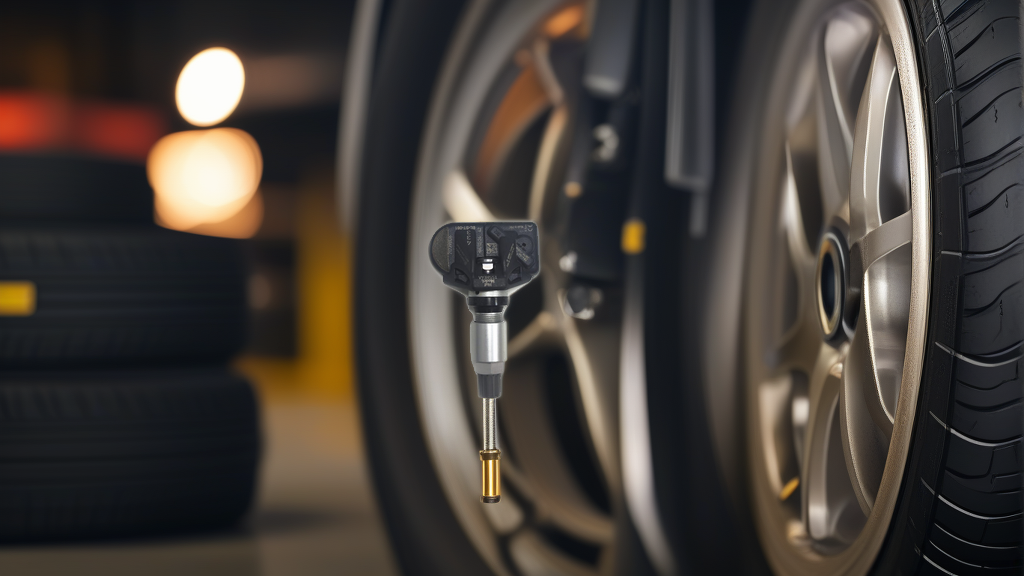
For Toyota owners with compatible vehicles, the BL-ST-081 | BH-Sens 433MHz TPMS Tire Pressure Sensor | Fits Aston Martin, BMW, Maybach, Mercedes-Benz, Mini & 2 More | OE# 36106872774, 42607WAA02, 5A3DC0401 is a direct-fit option. This 433MHz clamp-in sensor covers OE numbers 36106872774, 42607WAA02, and 5A3DC0401 – numbers that also cross-reference to Mercedes-Benz and BMW models, but the sensor itself is fully programmable to Toyota’s ID format.
Key specs:
- Frequency: 433MHz (standard for Toyota 2008–2020)
- Type: Clamp-in (same as factory Toyota sensors)
- Pre-programmed: No need for a separate programming tool
- Battery: Expected 5–7 year life
Installation is identical to OEM – you replace the sensor in the wheel, mount and balance the tire, then trigger the TPMS relearn from the driver’s seat (usually a button under the dash or a menu in the infotainment system).
How to Choose for Your Toyota
- Check your model year: If 2008–2020, aftermarket is almost certainly compatible. If 2021+, verify with the sensor manufacturer first.
- Check your current sensor frequency: Look at the sidewall of your existing sensor. If it says “433MHz”, you’re good. If it says “315MHz” (rare in Toyota), you need a different sensor.
- Decide on programming: Pre-programmed sensors like the BL-ST-081 save time. If you buy unprogrammed sensors, you’ll need a TPMS programming tool ($100–$200 one-time cost) or pay a shop.
- Consider your driving habits: If you keep your car for 5+ years, aftermarket sensors will likely outlast your ownership period. If you lease, stick with OEM.
Recommended Part
For Toyota owners with 433MHz TPMS systems (2008–2020 models including Camry, Corolla, RAV4, Highlander, Tacoma, and Tundra), the BL-ST-081 | BH-Sens 433MHz TPMS Tire Pressure Sensor | Fits Aston Martin, BMW, Maybach, Mercedes-Benz, Mini & 2 More | OE# 36106872774, 42607WAA02, 5A3DC0401 is a reliable, cost-effective replacement that matches OEM specifications without the dealer markup.
FAQ
Will aftermarket TPMS sensors trigger the dashboard light on my Toyota?
Yes – if they are correctly programmed to match your vehicle’s sensor IDs. Most aftermarket sensors come pre-programmed with common Toyota IDs, or can be cloned from your existing sensors using a simple tool. If the IDs don’t match, the light will stay on until you complete a relearn procedure.
How long do aftermarket TPMS sensors last compared to OEM?
Aftermarket sensors from reputable brands (like BH-Sens, Schrader, or Huf) have similar battery life – typically 5–7 years. The batteries are sealed inside the sensor and not replaceable. OEM sensors often use the same lithium-ion battery cells, so there’s no meaningful difference in lifespan.
Can I mix OEM and aftermarket TPMS sensors on the same Toyota?
Technically yes, as long as all sensors operate at the same frequency (433MHz) and are programmed with unique, valid IDs. However, it’s not recommended – mixing brands can cause inconsistent signal strength or integration issues during the relearn process. Replace all four at once for best results.
Do I need to reprogram aftermarket sensors for my Toyota?
It depends on the sensor. Pre-programmed sensors like the BL-ST-081 come with a standard ID that may work out of the box for many Toyota models. If your car requires a specific ID, you’ll need to either clone an existing sensor ID or use a TPMS tool to assign a new one. Most tire shops can do this for $10–$20 per sensor.