
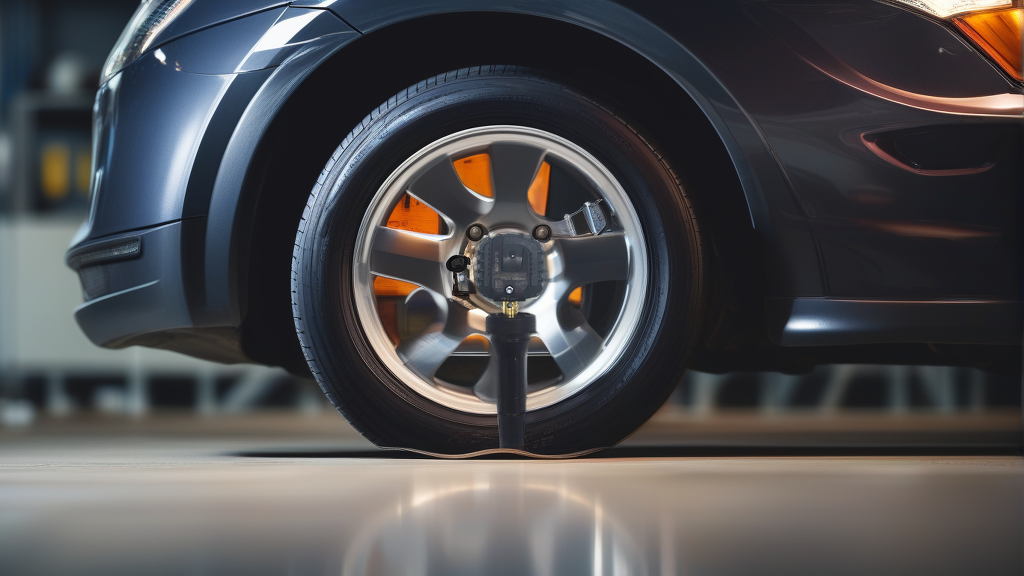
Why Winter Tire Swaps Are Tricky for ESPACE TPMS Sensors
Most ESPACE owners swap to winter tires between October and December. If you own a late-model ESPACE (especially the 2015+ V generation), you’re running direct TPMS sensors—valve-mounted units that transmit pressure and temperature data to the car’s ECU. These sensors are sensitive to rough handling, corrosion, and extreme cold.
The BL-ST-079 (BH-Sens) sensor is a common replacement for the original equipment units on ESPACE models. It’s a clamp-in, pre-programmed sensor that covers 28 OE fitments, including Peugeot, Citroen, DS, and Aeolus vehicles. If your current sensors are five years old or older, winter is the perfect time to replace them—batteries die faster in cold weather.
Temperature and Pressure: The Physics Your ESPACE Can’t Ignore
Tire pressure drops roughly 1 PSI for every 10°F drop in ambient temperature. In a typical winter swing from 60°F to 20°F, your tires lose about 4 PSI. That’s enough to trigger a low-pressure warning on your ESPACE dashboard, even if the tires were properly inflated in the fall.
What this means for you:
- Always inflate winter tires to the pressure listed on the driver’s door jamb—not the maximum sidewall pressure.
- Check pressure monthly during winter, ideally when tires are cold (car parked for at least three hours).
- If your TPMS light comes on after a cold snap, don’t ignore it. Add air and reset the system.
Step-by-Step: Handling BL-ST-079 Sensors During Tire Swap
1. Remove the Old Sensor Carefully
Clamp-in sensors like the BL-ST-079 are mounted to the valve stem. The metal nut can corrode over time. Use a proper TPMS socket (typically 11mm or 13mm) to avoid stripping the nut. Do not pry the sensor out with a screwdriver—you’ll crack the housing.
2. Inspect the Rubber Grommet and O-Ring
The BL-ST-079 uses a standard rubber grommet that seals the sensor to the wheel. If it’s cracked or hardened, replace it. A failed grommet causes slow air leaks that the TPMS will detect as a pressure drop.
3. Torque the Nut to Spec
Tighten the valve nut to the manufacturer’s spec (typically 4-6 Nm). Over-tightening strips the threads; under-tightening lets air escape. If you don’t have a torque wrench, use a standard TPMS socket and snug it—no more than “hand-tight plus a quarter turn.”
4. Program the Sensor (If Needed)
The BL-ST-079 is pre-programmed to OE frequencies (433MHz) and protocols. Most modern tire shops can trigger and register it with a TPMS tool. If you’re DIY swapping, you may need a TPMS tool to wake the sensor after installation.
5. Reset the ESPACE TPMS System
After mounting all four winter wheels, drive the car above 15 mph for 10-15 minutes. The sensors will auto-learn their positions. If your ESPACE requires manual reset, consult the owner’s manual (procedure varies by model year).
Storage Tips for Off-Season Tires with Sensors
When you store your summer wheels (with sensors), follow these rules to extend sensor battery life:
| Storage Condition | Effect on TPMS Sensor | Best Practice |
|---|---|---|
| Temperature above 80°F | Accelerates battery chemical aging | Store in cool, dry area (50-70°F) |
| Stacking tires flat | Warps sensor housing, cracks grommet | Store tires upright or in bags |
| Direct sunlight | UV degrades rubber grommet | Cover tires with opaque bags |
| High humidity | Corrodes metal valve stem | Silica gel packs inside bags help |
Don’t lay heavy objects (engine blocks, toolboxes) on top of stored wheels. The weight compresses the sensor housing and can break the internal PCB.
Don’t store tires near a furnace, water heater, or in an uninsulated attic. Temperature swings shorten battery life by up to 30%.
Recommended Part: BL-ST-079 BH-Sens 433MHz TPMS Sensor
If you’re replacing sensors on your ESPACE or any compatible Peugeot/Citroen/DS/Aeolus model, the BL-ST-079 | BH-Sens 433MHz TPMS Tire Pressure Sensor | Fits Aeolus, Citroen, Ds, Peugeot | OE# 9802003680, 9811536380, ZQ81238680 is a reliable, direct-fit option. It matches OE part numbers 9802003680, 9811536380, and ZQ81238680. It’s pre-programmed to 433MHz, so no cloning or complex setup is needed—just install, trigger, and drive.
You’ll find this sensor is a common cross-reference for many 2010-2020 European platforms. If your current sensors are original from the factory and you’re experiencing intermittent low-pressure warnings during winter, this BH-Sens unit is a cost-effective fix.
FAQ
Can I use the BL-ST-079 sensor on older ESPACE models (pre-2010)?
The BL-ST-079 is designed for 433MHz systems used in most 2010+ European vehicles. Pre-2010 ESPACE models may use a different frequency (315MHz or 433MHz depending on market). Check your original sensor’s frequency before purchasing. If your ESPACE is older than 2010, verify the OE number on your current sensor matches one of the three listed.
How do I know if my TPMS sensor battery is dying?
Common signs: intermittent low-pressure warnings that clear after driving, no sensor signal when you switch wheels, or the TPMS light stays on even after proper inflation. Most TPMS sensor batteries last 5-7 years. If your ESPACE is 2015 or older, your sensors are likely near end-of-life.
Do I need to replace the valve stem every time I swap tires?
No, but you should replace the rubber grommet (seal) and the metal nut if they show corrosion. The BL-ST-079 sensor kit typically includes new hardware. If your tire shop reuses old nuts and grommets, ask them to use new ones—it’s cheap insurance against leaks.
Can I swap sensors from my summer tires to winter tires myself?
Yes, if you have a tire machine and a TPMS tool. The BL-ST-079 sensors are clamp-in type, so they transfer between wheels. However, if the sensors are more than 5 years old, it’s smarter to buy a new set for your winter wheels. Batteries are non-replaceable.