
Understanding the TPMS Warning Light Behavior
Lamborghini uses direct TPMS sensors mounted inside each wheel. When the warning light illuminates steadily, it signals low pressure in one or more tires. A flashing light (usually for 60–90 seconds at startup) means a sensor fault or communication loss. Both scenarios demand immediate attention—not just for safety, but because a failed sensor can disable the entire monitoring system.
Dead Sensor Battery: The Most Common Cause
TPMS sensors contain non-replaceable lithium batteries designed to last 5–7 years. Since Lamborghini models (Gallardo, Huracán, Aventador) share similar sensor architectures, you can expect battery failure around the 6-year mark. Symptoms include:
- Intermittent warning light that disappears after driving 10–15 minutes
- Light flashes at startup, then stays on solid
- One wheel consistently reads “—” or “0 psi” on the dashboard
The sensor itself is still functional—it’s the battery that can’t maintain the RF transmission. When this happens, the ECU sees no signal and triggers the fault.
Signal Interference: The Overlooked Culprit
Lamborghini owners often install aftermarket electronics (dash cams, radar detectors, phone chargers) or metallic window tints. These can disrupt the 315MHz RF band used by the BH-Sens sensors. Interference symptoms differ from battery death:
- Warning light activates only when certain electronics are on
- Multiple wheels show erratic readings simultaneously
- Light resets after driving but returns under the same conditions
Diagnose by turning off all aftermarket devices one by one. If the light clears, you’ve found the source. Metallic tints block the signal from the wheel-mounted sensors to the receiver (usually behind the glove box or center console).
Comparison: Battery Failure vs. Interference
| Symptom | Dead Battery | Signal Interference |
|---|---|---|
| Warning light behavior | Flashes at startup, then solid | Solid only when interference is present |
| Pressure readings | One wheel shows no data | Multiple wheels show inconsistent data |
| Response to driving | May clear after 10 min of driving | Clears immediately when source is removed |
| Sensor age | Over 5 years | Any age, even new sensors |
Replacement Sensor Recommendation
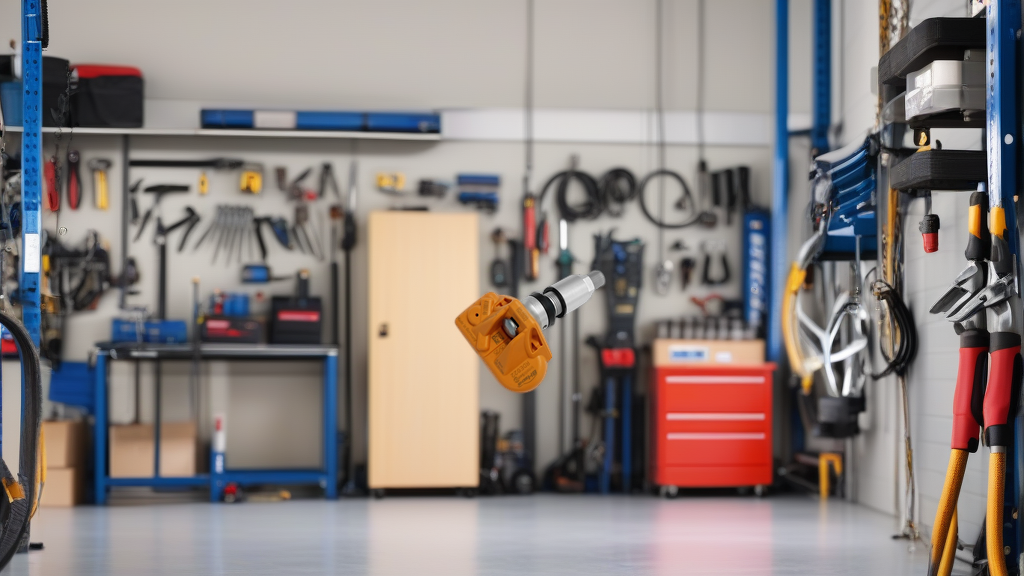
When battery death is confirmed, the direct replacement for many Lamborghini models (2004–2017 Gallardo, Huracán, Aventador) is the RDE022V21 | BH-Sens 315MHz TPMS Tire Pressure Sensor | Fits Aston Martin, Audi, BMW, Bentley, Ferrari & 5 More | OE# 249363, 290569, 4F0907275A. This BH-Sens 315MHz clamp-in sensor covers OE numbers 4F0907275A, 4F0907275C, 4F0907275H, and 7P0907275A—common across Audi, Bentley, and Lamborghini platforms. Always reprogram the sensor ID using a TPMS tool after installation.
Recommended Part: RDE022V21 | BH-Sens 315MHz TPMS Tire Pressure Sensor | Fits Aston Martin, Audi, BMW, Bentley, Ferrari & 5 More | OE# 249363, 290569, 4F0907275A — Pre-programmed and ready to install. Verify your vehicle year and frequency (315MHz) before ordering.
FAQ
How do I know if my Lamborghini TPMS sensor has a dead battery?
Use a TPMS diagnostic tool (like Autel or Bartec) to read each sensor’s battery voltage and transmission status. A reading below 2.5V indicates impending failure. The dashboard will also show a flashing light at startup if the sensor has stopped transmitting.
Can a tire shop fix a dead TPMS sensor battery?
No. The battery is sealed inside the sensor housing. The entire sensor module must be replaced. Some shops offer battery replacement services, but this often damages the sensor’s internal seals, leading to moisture ingress and premature failure.
Will aftermarket wheels cause TPMS signal interference in my Lamborghini?
Yes, if the wheels have metallic valve stems or if the wheel material (e.g., carbon fiber with metal mesh) blocks RF signals. Stick to OEM-style aluminum wheels or ensure aftermarket wheels have non-metallic valve stems compatible with 315MHz sensors.
How long can I drive with the TPMS light on?
You can drive, but you lose real-time pressure monitoring. A punctured tire could go unnoticed until it’s too late. If the light is due to a dead battery, you have weeks to months—but the sensor will eventually stop transmitting entirely, requiring a tow to reset the system.