
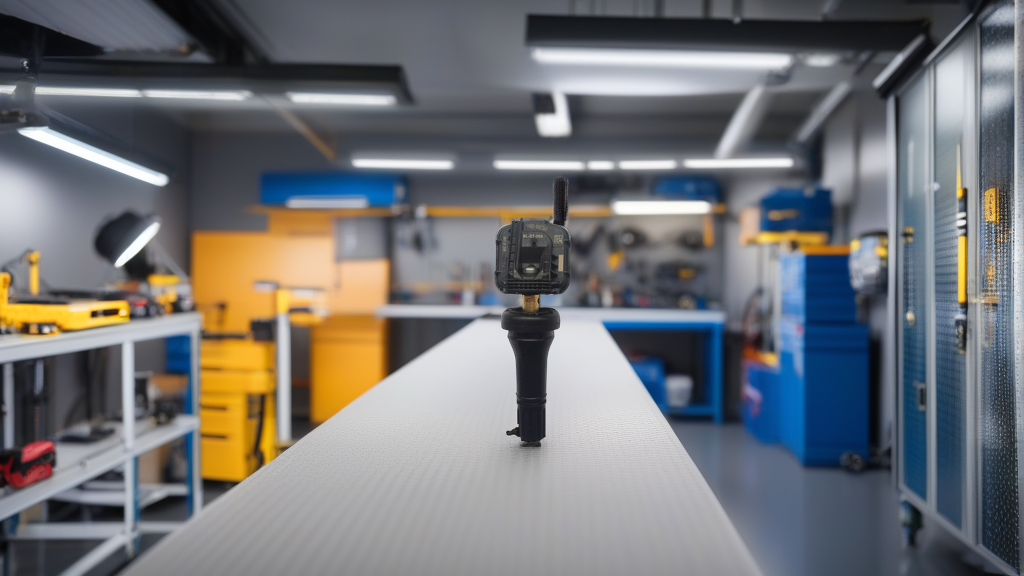
Why Fitment Matters for the Malibu XL TPMS
The MALIBU XL (2016–present) uses a direct TPMS system that relies on sensors mounted inside each wheel. Unlike universal sensors that require cloning or relearn procedures, the BL-ST-059 is designed as a direct replacement for GM-based platforms. However, Malibu XL production spans multiple chassis updates, and sensor compatibility can vary by model year and trim.
Most Malibu XL models from 2016 onward use 433MHz sensors, but some early 2016 units and certain export versions may use 315MHz. The BL-ST-059 operates strictly at 433MHz, so confirming your vehicle’s frequency is the first step.
Supported Malibu XL Model Years
Based on OE cross-references and industry fitment data, the BL-ST-059 covers these Malibu XL years:
| Model Year | Compatibility | Notes |
|---|---|---|
| 2016 | Conditional | Verify frequency – early builds may use 315MHz |
| 2017–2020 | Confirmed | 433MHz standard |
| 2021–2022 | Confirmed | 433MHz standard |
| 2023+ | Unconfirmed | Check vehicle manual or existing sensor |
Important: The BL-ST-059 also fits over 15 other GM and Chinese-brand vehicles, but for the Malibu XL, the safest window is 2017–2022. If you own a 2016 or 2023 model, always pull one existing sensor to check the OE number before ordering.
How to Verify Fitment Before Buying
Step 1: Check Your Current Sensor OE Number
The easiest way to confirm fitment is to look at the part number printed on your existing TPMS sensor. For the Malibu XL, common OE numbers include:
- 13516165 (most common 2016–2020)
- 13522631 (2017–2022)
- 13540603 (late 2019–2022)
- 13598773, 13598787 (2020–2022)
The BL-ST-059 covers all these OE numbers, plus several others (13544442, 13544444, 13581561, 20922901, 22853740, 25789964, 26407897, 3617020001B15A). If your sensor has one of these numbers, you’re good.
Step 2: Verify the Frequency
Look for a small label on the sensor that says “433MHz” or “315MHz.” If you can’t see it, use a TPMS scan tool (like an Autel or ATEQ) to read the sensor ID and frequency. The BL-ST-059 only works with 433MHz systems.
Step 3: Confirm Trim Level
Malibu XL trims (LS, LT, Premier, RS) all use the same TPMS system, so trim doesn’t affect compatibility. However, if your car has aftermarket wheels or was previously in an accident, the sensor may have been replaced with a non-standard unit.
What the BL-ST-059 Includes
The BL-ST-059 | BH-Sens 433MHz TPMS Tire Pressure Sensor | Fits BAIC, Baic Ev, Buick, Cadillac, Chevrolet & 15 More | OE# 13516165, 13522631, 13540603 comes as a complete sensor with valve stem and nut. It does not include the vehicle-specific relearn tool – you’ll need either a TPMS trigger tool or a professional scan tool to program it after installation. The sensor uses the original equipment protocol from Baolong Technology (BH-Sens), which is an OE supplier for GM, so it matches the factory response curve and battery life (typically 5–7 years).
Installation Tips for the Malibu XL
- Relearn procedure: After installing the new sensor, you must perform a TPMS relearn. On 2016–2020 Malibu XL, this can be done via the dashboard menu (Tire Pressure > Relearn) or with a TPMS tool. 2021+ models may require a scan tool.
- Torque: Tighten the valve stem nut to 4–5 Nm (35–44 in-lb). Over-tightening can crack the sensor body.
- Battery life: If your Malibu XL is a 2016 or 2017 model with original sensors, they are likely near end-of-life. Replacing all four at once is recommended.
Comparison: BL-ST-059 vs. Dealer OE Sensor
| Feature | BL-ST-059 (BH-Sens) | GM Dealer OE Sensor |
|---|---|---|
| Price | $15–$25 per sensor | $60–$90 per sensor |
| Frequency | 433MHz | 433MHz or 315MHz |
| OE Number Coverage | 10+ GM numbers | Single OE number |
| Battery Life | 5–7 years | 5–7 years |
| Warranty | 1–2 years | 1 year |
The BL-ST-059 offers identical performance to the dealer part at a fraction of the cost, provided you verify your frequency first.
Common Malibu XL TPMS Issues
- “Service Tire Monitor System” warning: Often triggered by a dead sensor battery after 5–6 years. The BL-ST-059 is a direct swap.
- Intermittent signal loss: If only one wheel drops out, that sensor is likely failing. Replace it with the BL-ST-059.
- Aftermarket wheel swap: If you installed aftermarket wheels, the sensors may have been transferred incorrectly. Check that the sensor is securely mounted and the valve stem isn’t bent.
Recommended Part
For Malibu XL owners with 433MHz systems, the BL-ST-059 | BH-Sens 433MHz TPMS Tire Pressure Sensor | Fits BAIC, Baic Ev, Buick, Cadillac, Chevrolet & 15 More | OE# 13516165, 13522631, 13540603 is a reliable, cost-effective replacement. It covers the most common GM OE numbers and is built to the same specs as the factory Baolong sensor. Order four for a complete set, and keep one as a spare.
FAQ
Can the BL-ST-059 work on a 2016 Malibu XL with 315MHz sensors?
No. The BL-ST-059 is 433MHz only. If your 2016 Malibu XL has 315MHz sensors, you need a different sensor (look for BL-ST-058 or a 315MHz variant). Check your existing sensor’s frequency label before ordering.
Do I need to reprogram the BL-ST-059 after installation?
Yes. The sensor must be learned to your vehicle’s TPMS module. On most Malibu XL models, you can use a TPMS trigger tool (like Autel MaxiTPMS) or perform the relearn via the dashboard menu. If you’re unsure, any tire shop can do it for a small fee.
How long does the BL-ST-059 battery last?
Typically 5–7 years, depending on driving conditions and climate. The battery is sealed and non-replaceable, so the entire sensor is replaced when the battery dies.
Will the BL-ST-059 fit my 2023 Malibu XL?
Fitment for 2023+ is not yet confirmed. GM may have updated the TPMS protocol for newer models. Always check the OE number on your existing sensor first. If it matches one of the numbers listed (13598773, 13598787, etc.), it should work.