
Why Winter Tire Swaps Matter for Your U TOUR
Driving a U TOUR—whether it’s a Forthing-based MPV, SUV, or crossover—means dealing with real-world temperature swings. Winter tire swaps are routine in colder regions, but they introduce two common headaches: TPMS sensor compatibility and pressure management.
Your U TOUR likely came from the factory with TPMS sensors tuned to 433MHz. The aftermarket BH-Sens units (like the BL-ST-052) are pre-programmed clones that match the original system exactly. The trick is making sure those sensors land in the right wheels and stay functional through the season.
TPMS Sensor Handling During Winter Tire Swap
Transfer vs. Dedicated Sensors
You have two options:
- Transfer existing sensors from summer to winter wheels. This saves money but requires careful removal to avoid snapping the valve stems.
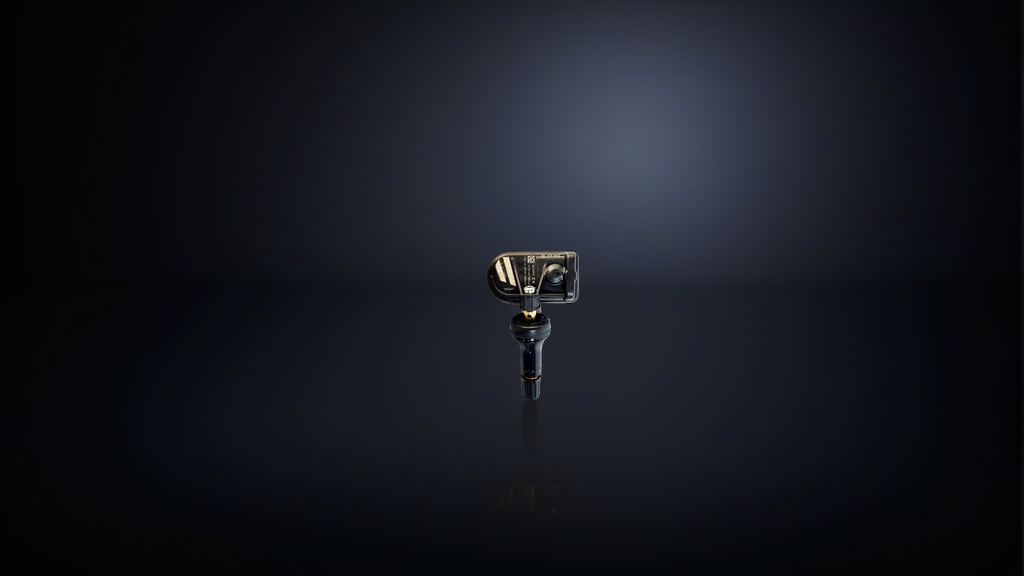
- Buy a second set of sensors for winter wheels. This is simpler and avoids repeated dismounting. The BL-ST-052 | BH-Sens 433MHz TPMS Tire Pressure Sensor | Fits Forthing | OE# CM5B3685020, CM5B3685020S, SX5G3685020B is a direct fit for Forthing-based U TOUR models—pre-programmed, clamp-in design, no relearn needed in many cases.
If you transfer, mark each sensor’s position (LF, RF, LR, RR) before removal. Most U TOUR systems track individual wheel positions, and swapping without logging can trigger a false low-pressure warning.
Clamp-in vs. Snap-in Sensors
The BL-ST-052 is a clamp-in type—metal valve stem, nut-secured. This is better for winter use because:
- Less prone to cracking in extreme cold
- Allows higher torque (check vehicle manual, typical range 35-45 in-lbs)
- Reusable if you swap wheels annually
Snap-in rubber sensors are fine for summer, but cold can make the rubber brittle. Stick with clamp-in for winter sets.
Temperature vs. Tire Pressure: The 1 PSI Per 10°F Rule
Cold air contracts. For every 10°F drop in ambient temperature, tire pressure decreases by approximately 1 PSI. If you set pressures at 70°F in your garage and drive out into 20°F weather, you’ll lose 5 PSI instantly.
Practical Steps for U TOUR Owners
- Set cold pressures 2-4 PSI higher than the door sticker recommendation when temps are below freezing. Your U TOUR’s recommended pressure (usually 32-35 PSI front, 30-33 rear) assumes moderate temperatures.
- Check pressures monthly during winter. TPMS sensors will warn you at 25% below spec, but that’s already underinflated.
- Don’t rely solely on TPMS—use a manual gauge every 2-3 weeks. Sensors can drift in extreme cold.
Pressure Drop Reference Table
| Temperature Change | Estimated Pressure Loss (from 35 PSI base) |
|---|---|
| 70°F → 40°F | -3 PSI (to 32 PSI) |
| 70°F → 20°F | -5 PSI (to 30 PSI) |
| 70°F → 0°F | -7 PSI (to 28 PSI) |
| 70°F → -10°F | -8 PSI (to 27 PSI) |
Note: These are approximations. Actual loss depends on tire volume and humidity.
Winter Tire Storage Tips for Sensors
If you store your summer wheels with TPMS sensors installed:
Do Not
- Stack tires horizontally with heavy loads on top—the sensor valve stems can bend.
- Store in direct sunlight or near heaters—UV and heat degrade sensor seals.
- Leave tires partially inflated. Store them at the recommended cold pressure (typically 35 PSI) to prevent sidewall distortion.
Do
- Store in a cool, dry place. 40-60°F is ideal.
- Place tires upright in racks or hang them by the tread (not the valve stem).
- If stacking, limit to 3-4 tires high and rotate the stack monthly.
- Remove the sensor battery if storing more than 6 months (but most modern sensors last 5-7 years regardless).
Recommended Part for U TOUR Winter Wheels
For a dedicated winter wheel set, the BL-ST-052 | BH-Sens 433MHz TPMS Tire Pressure Sensor | Fits Forthing | OE# CM5B3685020, CM5B3685020S, SX5G3685020B is a solid choice. It’s pre-programmed to match Forthing systems, so your U TOUR’s TPMS receiver will recognize it immediately. No reprogramming tool required for most 2015+ models—just install and drive. The clamp-in design handles cold weather better than snap-in alternatives.
If you’re unsure about your specific U TOUR year, check the door jamb sticker or your owner’s manual for the original TPMS frequency. Forthing-based models almost always use 433MHz.
FAQ
Will aftermarket TPMS sensors like the BH-Sens work with my U TOUR’s factory system?
Yes, if the frequency matches (433MHz for most Forthing-based models). The BL-ST-052 is pre-programmed with OE-compatible IDs, so your U TOUR’s receiver will treat it as an original sensor. No additional programming is needed in most cases.
How often should I check tire pressure in winter for my U TOUR?
At least once a month, and always before long trips. Temperature swings can drop pressure by 1 PSI per 10°F, so a 30°F overnight drop means 3 PSI loss. Use a manual gauge—don’t rely solely on the TPMS dashboard light, which only triggers at 25% below spec.
Can I use the same TPMS sensors on summer and winter wheels?
Yes, by transferring them. But repeated dismounting risks damaging the valve stem or internal electronics. Many U TOUR owners prefer buying a second set (like the BL-ST-052) for winter wheels to avoid the hassle and potential damage.
What’s the best storage method for winter tires with sensors?
Store them upright in a cool, dry place (40-60°F). Avoid stacking more than three tires high, and never place heavy objects on top. Keep tires inflated to their recommended cold pressure to prevent flat spots and seal degradation.