
Understanding the Haval TPMS System
Haval vehicles, including popular models like the Haval H6, H9, and Jolion, use a direct TPMS system. Each wheel has a sensor mounted inside the tire that measures pressure and temperature, then transmits that data via a 433MHz radio frequency to a receiver module in the car. When the system detects a problem, it illuminates the amber TPMS warning light on your dashboard.
The factory sensors on Havals are typically from Baolong Technology (BH-Sens), which is also the OEM supplier for many Chinese-market MG, Roewe, and Rising vehicles. This means replacement sensors like the BL-ST-021 are direct-fit, pre-programmed parts that require no additional cloning or programming tools.
Three Main Causes of a Haval TPMS Warning Light
1. Dead Sensor Battery (Most Common)
Each TPMS sensor contains a non-replaceable lithium battery designed to last 5-7 years. On a Haval, you’ll notice these symptoms as the battery nears its end:
- Intermittent warning light — The light comes on after 20-30 minutes of driving, then turns off after the car sits overnight. This happens because the battery voltage drops when warm, but recovers slightly when cool.
- One wheel shows “—” or no pressure reading on the infotainment screen.
- All four sensors fail within weeks of each other — They were manufactured at the same time, so battery life is similar across all four.
If your Haval is 2018 or older and you’re seeing these symptoms, the battery is almost certainly dead. The only fix is sensor replacement — there is no way to replace the battery inside the sensor.
2. Valve Stem Damage or Corrosion
Haval uses clamp-in sensors with a metal valve stem. Over time, the rubber grommet at the base of the stem can crack, or the stem itself can corrode, especially in regions that use road salt. This causes:
- Slow air leaks that trigger the TPMS light after a few days
- Visible green/white corrosion around the valve stem base
- A hissing sound when you press the valve core
Unlike snap-in sensors (which have replaceable valve stems), clamp-in sensors like the BL-ST-021 require replacing the entire unit if the stem is damaged. Always inspect the valve stem condition when you see a persistent low-pressure warning.
3. Signal Interference
This is less common but frustrating. The Haval’s TPMS receiver can be blocked or overwhelmed by:
- Metallic window tint containing aluminum or nickel particles — this can block the 433MHz signal from reaching the receiver, especially if tint is applied to the windshield or rear window near the antenna.
- Aftermarket LED light bars installed near the front bumper or grille — cheap LED drivers can emit broad-spectrum RF noise that drowns out TPMS signals.
- Dashcam power supplies routed near the TPMS receiver module (typically behind the glove box or center console on Haval models).
Diagnosis tip: If the TPMS light comes on only when you install a new accessory (tint, lights, electronics), temporarily disconnect that accessory. If the light goes off, you’ve found the interference source.
Diagnosis Table for Haval TPMS Issues
| Symptom | Most Likely Cause | Quick Check |
|---|---|---|
| Light on, all pressures read normal | Sensor battery dying (intermittent signal) | Check if light comes on after 20 min of driving |
| One wheel shows no reading | Dead sensor or damaged valve stem | Swap wheel position — if problem follows the wheel, it’s the sensor |
| All four wheels show no reading | Receiver module failure or blown fuse | Check TPMS fuse in interior fuse box (see owner’s manual) |
| Light blinks for 60-90 seconds, then stays solid | System fault — often a sensor that has stopped transmitting | Use a TPMS scan tool to identify which sensor is missing |
| Light on after new tint or lights installed | Signal interference | Remove or reposition the new accessory temporarily |
How to Fix a Haval TPMS Warning Light
Step 1: Confirm the Fault
Use a TPMS scan tool (like an Autel TS508 or similar) to read the sensor IDs and battery status. On Haval models, the scan tool will tell you each sensor’s remaining battery voltage. Anything below 2.0V means imminent failure.
Step 2: Replace Faulty Sensors
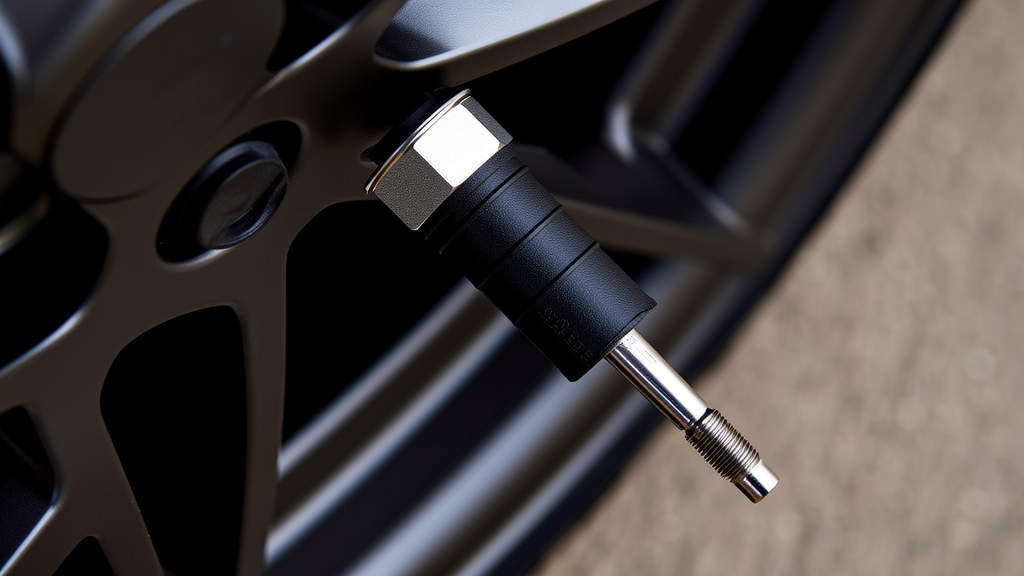
For Havals built after 2015, you can use pre-programmed sensors like the BL-ST-021 | BH-Sens 433MHz TPMS Tire Pressure Sensor | Fits Im, MG, Rising, Roewe | OE# 10290600, 10625492, 10718213. This sensor is pre-programmed with OE-compatible IDs for Haval, MG, Roewe, and Rising vehicles. No cloning or dealer-level programming is needed — just install it and drive. The car will learn the new sensor ID automatically within a few minutes of driving above 25 km/h (15 mph).
Step 3: Relearn (If Needed)
Some Haval models (especially 2014-2018) require a manual relearn procedure. This is done using a TPMS activation tool held against the tire sidewall near the valve stem, following the sequence: LF, RF, RR, LR. Check your owner’s manual for the exact procedure.
Recommended Part
If you need a direct-fit replacement for a 2015-2023 Haval H6, H9, Jolion, or similar, the BL-ST-021 | BH-Sens 433MHz TPMS Tire Pressure Sensor | Fits Im, MG, Rising, Roewe | OE# 10290600, 10625492, 10718213 is the correct choice. It’s a clamp-in, 433MHz sensor that replaces OE numbers 10290600, 10625492, and 10718213. This is the same BH-Sens (Baolong) sensor used in factory production, so you’re not downgrading to an aftermarket part.
FAQ
How long do Haval TPMS sensor batteries last?
Typically 5-7 years from the vehicle’s manufacturing date. If your Haval is 2018 or older and you’ve never replaced the sensors, expect at least one to fail soon. Battery life is not affected by driving habits — the sensor transmits only when the wheel is moving.
Can I replace just one TPMS sensor on my Haval?
Yes, you can replace a single sensor. The Haval TPMS system will learn the new sensor ID automatically in most cases. However, if three sensors are original and one is new, the remaining three may fail within a year. Many owners prefer to replace all four at once to avoid repeated tire dismounting and balancing costs.
Will aftermarket wheels cause the TPMS light to come on?
Only if the aftermarket wheels have no sensors installed, or if they use sensors that operate on a different frequency (e.g., 315MHz instead of 433MHz). Most Haval models use 433MHz sensors. If you swap to aftermarket wheels, transfer your existing sensors or install new compatible ones.
Why does my Haval TPMS light come on only in cold weather?
Cold temperatures cause tire pressure to drop (about 1 psi per 10°F drop). If your tires are already near the low-pressure threshold, cold weather can trigger the warning. Check and inflate tires to the pressure listed on the driver’s door jamb sticker. If the light stays off after inflation, no sensor replacement is needed.