
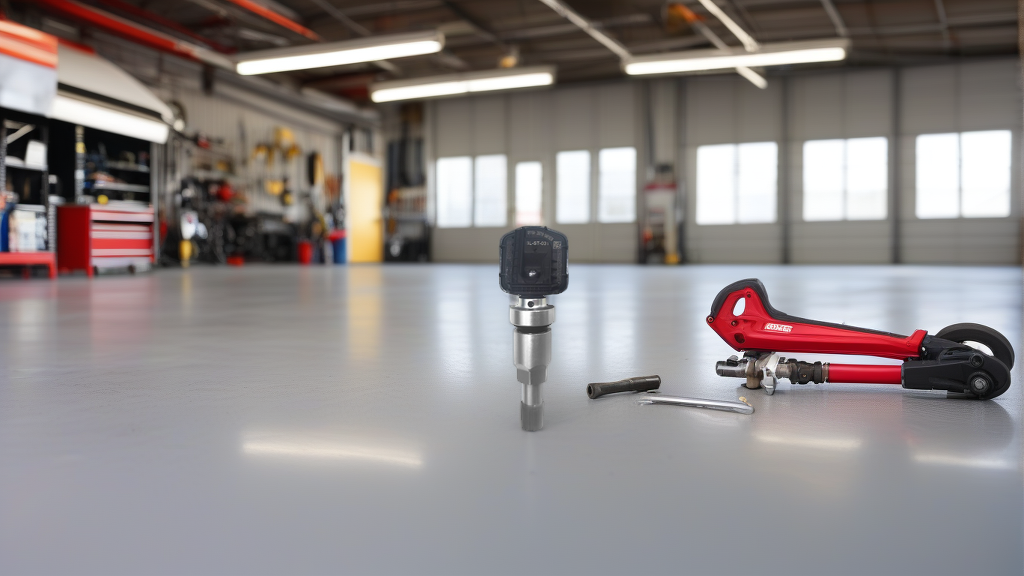
Understanding the BL-ST-031 Sensor and MARVEL X Compatibility
The BL-ST-031 is a pre-programmed, clamp-in TPMS sensor manufactured by BH-Sens (a division of Baolong Technology). It operates on 433MHz frequency and is designed as a direct replacement for several OE part numbers, including 10290600, 10625492, 10718213, and 11205327. For MARVEL X owners, this sensor is a common aftermarket alternative when original sensors fail due to battery depletion (typically after 5–7 years).
Key Specifications
| Parameter | Value |
|---|---|
| Brand | BH-Sens (Baolong Technology) |
| SKU | BL-ST-031 |
| Frequency | 433MHz |
| Sensor Type | Clamp-in, Pre-programmed |
| OE Cross References | 10290600, 10625492, 10718213, 11205327 |
| Compatible Brands | Im, MG, Rising, Roewe, MARVEL X |
| Dedicated OE Fitments | 59+ vehicle variants |
Which MARVEL X Models and Years Are Covered?
The BL-ST-031 sensor fits MARVEL X vehicles manufactured from approximately 2019 through the current production run. This includes:
- MARVEL X (2019–present) – All trims equipped with 433MHz TPMS
- MARVEL X Pro – Compatible, but always confirm the OE number
- MARVEL X Pure / Performance variants – Factory TPMS system uses the same frequency
Important: If your MARVEL X was manufactured before 2019, the TPMS system may use a different frequency (typically 315MHz in some early export models). Always verify rather than assume.
How to Verify Fitment Before Buying
Follow these four steps to ensure the BL-ST-031 will work on your specific vehicle:
Step 1: Locate the OE Number on Your Current Sensor
Remove the tire and look at the sensor body—it’s attached to the valve stem inside the wheel. The OE number is stamped on the plastic housing. Common numbers for MARVEL X include:
- 10290600 (most common on 2019–2021 models)
- 10625492 (found on 2022+ vehicles)
- 10718213 (used on some Pro trims)
- 11205327 (less common, but cross-referenced)
If your sensor shows any of these numbers, the BL-ST-031 is a confirmed match.
Step 2: Check Your Vehicle’s TPMS Frequency
MARVEL X vehicles sold in most global markets use 433MHz TPMS. However, vehicles exported to certain regions (e.g., some Middle Eastern or North African markets) may use 315MHz. The easiest way to confirm: look at the label on your original sensor—it will clearly state “433MHz” or “315MHz.”
Step 3: Verify the Sensor Type
The BL-ST-031 is a clamp-in sensor. This means it uses a metal nut to secure the valve stem to the wheel rim. If your current sensor is a snap-in (rubber grommet) type, this sensor will not fit. For MARVEL X, all factory TPMS sensors are clamp-in, so this is rarely an issue.
Step 4: Cross-Check with Your VIN
If you’re unsure about the year or OE number, provide your Vehicle Identification Number (VIN) to the seller. The VIN will reveal the exact TPMS system installed at the factory. Most aftermarket listings for the BL-ST-031 include a VIN check tool or customer support that can confirm compatibility.
Why Pre-Programmed Sensors Matter for MARVEL X
Unlike universal TPMS sensors that require programming via a separate tool, the BL-ST-031 comes pre-programmed with the standard protocol for MARVEL X and its sister brands (Im, MG, Rising, Roewe). This means:
- No cloning tool needed – The sensor is ready to pair with your vehicle’s TPMS receiver.
- Works immediately after installation – In most cases, the car recognizes the sensor within a few minutes of driving above 15 mph.
- Lower installation cost – No additional programming fees at the tire shop.
However, if your vehicle requires sensor IDs to be registered manually (rare for MARVEL X), you may still need a TPMS tool like an Autel or Bartec to write the sensor ID into the vehicle’s ECU.
Common Fitment Pitfalls to Avoid
- Assuming all 433MHz sensors are the same – Even at the same frequency, sensors from different manufacturers use different communication protocols. The BL-ST-031 is specifically designed for the protocol used by SAIC Motor Group vehicles (MARVEL X, MG, Roewe, Rising, Im).
- Mixing new and old sensors – If replacing only one sensor, the new BL-ST-031 must match the remaining sensors’ OE number group. For example, if your other three sensors are OE# 10290600, the new sensor should also be that number (or a direct cross-reference like the BL-ST-031).
- Ignoring tire pressure monitoring system (TPMS) light behavior – After installation, drive for 10–15 minutes. If the TPMS light stays on, the sensor may not be compatible, or the vehicle may need a relearn procedure. Some MARVEL X models require a relearn tool even with pre-programmed sensors.
Recommended Part
For a direct-fit replacement that covers 59+ OE fitments across MARVEL X, Im, MG, Rising, and Roewe vehicles, use the BL-ST-031 | BH-Sens 433MHz TPMS Tire Pressure Sensor | Fits Im, MG, Rising, Roewe | OE# 10290600, 10625492, 10718213. This sensor is a drop-in replacement for OE numbers 10290600, 10625492, 10718213, and 11205327—just verify your year and OE number before ordering.
FAQ
Will the BL-ST-031 work on a 2018 MARVEL X?
It may not. The 2018 model year (if it exists for your market) typically uses an older TPMS protocol. Check the OE number on your existing sensor first. If it matches 10290600 or any of the listed cross-references, then yes. Otherwise, you need a different sensor.
Do I need a TPMS relearn tool after installing the BL-ST-031?
Most MARVEL X vehicles will automatically recognize the new sensor after a short drive. However, some 2022+ models require a manual relearn using a TPMS tool. If the TPMS light remains on after 20 minutes of driving, have a shop perform a relearn—it takes less than 5 minutes.
Can I install this sensor myself?
Yes, if you have the tools to break down the tire bead and access the valve stem. The BL-ST-031 is a standard clamp-in sensor that installs like any other valve stem. However, unless you have tire-changing equipment, it’s safer to have a tire shop handle installation. They can also torque the valve stem nut to the correct specification (typically 35–45 in-lbs—check your manual).
What is the battery life of the BL-ST-031?
BH-Sens sensors use a sealed lithium battery rated for 5–7 years of normal use. Actual lifespan depends on driving habits (more driving = more transmissions = slightly shorter life). The sensor will show a low-battery warning on your dashboard before it fails completely.