
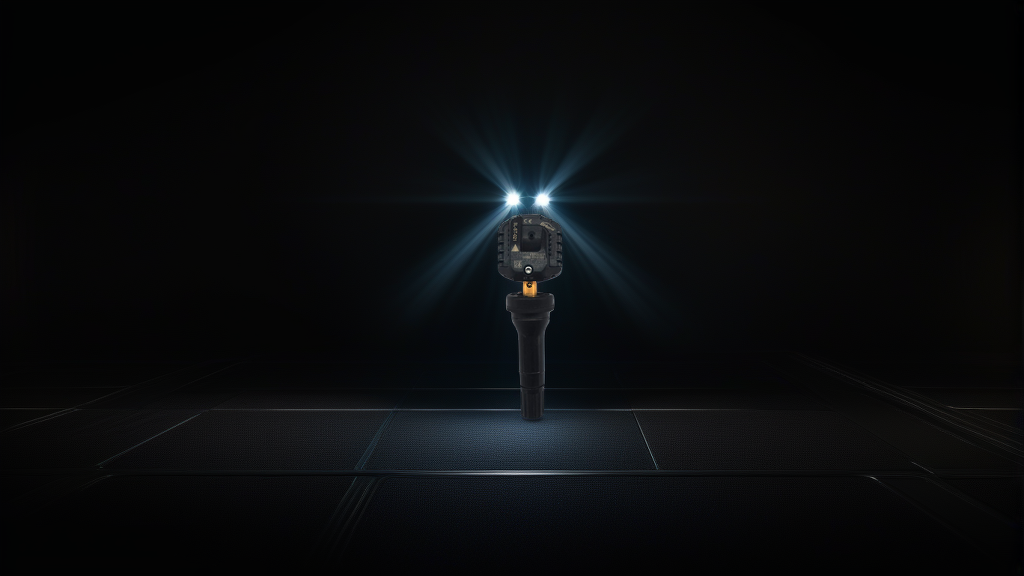
The Real Cost Difference: OEM vs Aftermarket for Rising
Let’s cut through the marketing. For Rising vehicles—whether it’s the Rising ER6, Marvel R, or the newer Rising F7—the TPMS sensor is a standardized component. The sensor itself is a simple pressure transmitter with a battery, a 433MHz transmitter chip, and a valve stem. There’s no magic in the OEM box.
Here’s the typical price breakdown for a Rising TPMS sensor:
| Type | Average Price (per sensor) | Warranty | Compatibility |
|---|---|---|---|
| OEM (Rising Genuine) | $45–$70 | 12 months | Guaranteed for specific model/year |
| Aftermarket (BH-Sens, Autel, Schrader) | $18–$35 | 12–24 months | Pre-programmed for Rising, Im, MG, Roewe |
| Universal (no-name) | $8–$15 | None | May require manual programming, high failure rate |
The OEM sensor for a Rising typically carries OE numbers like 10290600, 10625492, or 10718213. These are the same numbers stamped on the BH-Sens BL-ST-021 aftermarket unit. The difference? About $30 per sensor.
When OEM Is Actually Worth It
There are exactly three scenarios where you should stick with OEM for your Rising:
- Vehicle still under factory warranty – Replacing with non-OEM parts can void TPMS-related warranty claims. If your Rising is 2022 or newer, check your warranty terms first.
- Lease return or insurance claim – Some lease contracts and insurance policies require OEM parts for documented repairs. Keep the receipt if you go aftermarket.
- You need a direct dealer swap with zero programming – OEM sensors come pre-programmed for your exact VIN. Aftermarket units are pre-programmed for a range of Rising models, but occasionally a 2023+ model year may need a quick relearn procedure.
Outside of these cases, aftermarket sensors are the logical choice.
Why BH-Sens (Baolong) Is the Aftermarket Standard for Rising
Baolong Technology is not a “no-name” manufacturer. They are an OE supplier for multiple Chinese brands, including SAIC, which owns Rising, MG, and Roewe. The BH-Sens BL-ST-021 is essentially the same sensor that might have come on your Rising from the factory, sold without the Rising logo.
Key specs of the BL-ST-021:
- Frequency: 433MHz (standard for all Rising models)
- Type: Clamp-in, pre-programmed
- OE Compatibility: 10290600, 10625492, 10718213, 11205327
- Fitment: 59 vehicles across Im, MG, Rising, Roewe
The pre-programming is critical. You do not need a TPMS tool to copy IDs. Install the sensor, inflate to spec, and the vehicle recognizes it within one drive cycle (usually 5–10 minutes above 25 km/h). This works on all Rising models from 2019 onward.
Price/Value Analysis: The Math That Matters
Let’s say you need four sensors for a 2021 Rising ER6:
- OEM set: 4 x $60 = $240 + dealer programming fee ($40–$80) = $280–$320
- BH-Sens aftermarket set: 4 x $25 = $100 (no programming fee required)
You save $180–$220. The battery life is identical (5–7 years typical). The accuracy is within ±1 psi of OEM. The only trade-off is that if you have a rare 2024 Rising model with a different TPMS protocol, you should confirm compatibility first. For 2019–2023 models, it’s a direct fit.
Installation Tips for DIYers
If you’re swapping sensors yourself:
- Use a torque wrench on the clamp nut: 4.0–5.0 Nm (check your manual, but this range covers most Rising models).
- Always replace the valve stem core and cap. BH-Sens sensors include a new stem.
- After installation, do a TPMS relearn: drive above 25 km/h for 10 minutes. If the light stays on, use a TPMS tool to trigger each sensor manually.
One common mistake: installing aftermarket sensors without checking the tire pressure first. These sensors come pre-programmed, but if the tire is severely underinflated, the system may not recognize them until pressure is correct.
Recommended Part
For most Rising owners, the BL-ST-021 | BH-Sens 433MHz TPMS Tire Pressure Sensor | Fits Im, MG, Rising, Roewe | OE# 10290600, 10625492, 10718213 is the best value. It’s the same Baolong internals as the OEM, costs half, and works across multiple SAIC brands. Keep one in your glovebox as a spare—many Rising models do not include a full-size spare, and a dead sensor means a warning light that won’t clear until replacement.
FAQ
Can I mix OEM and aftermarket TPMS sensors on my Rising?
Yes, as long as all sensors operate on 433MHz and are pre-programmed for the same vehicle. The system reads each sensor individually by its unique ID. Mixing BH-Sens and OEM sensors on different wheels works fine. Do not mix with 315MHz sensors—they are incompatible.
How long does a BH-Sens TPMS sensor battery last?
Typically 5–7 years, depending on driving frequency and ambient temperature. The battery is sealed inside the sensor and cannot be replaced. When the battery dies, replace the entire sensor. BH-Sens sensors are designed to match OEM battery lifespan.
Do I need a TPMS programming tool for the BL-ST-021?
No, the sensor is pre-programmed. It is already paired to work with Rising, MG, Roewe, and Im vehicles using OE numbers 10290600, 10625492, 10718213, and 11205327. Just install and drive—the vehicle will learn the sensor ID automatically within one drive cycle.
Will a BH-Sens sensor work on a 2024 Rising F7?
The BH-Sens BL-ST-021 is confirmed for Rising models up to 2023. For 2024 models, check your vehicle’s OE number first. If it matches one of the four listed OE numbers (10290600, 10625492, 10718213, 11205327), it will work. If not, look for a BH-Sens variant with the correct OE number for your specific year.