
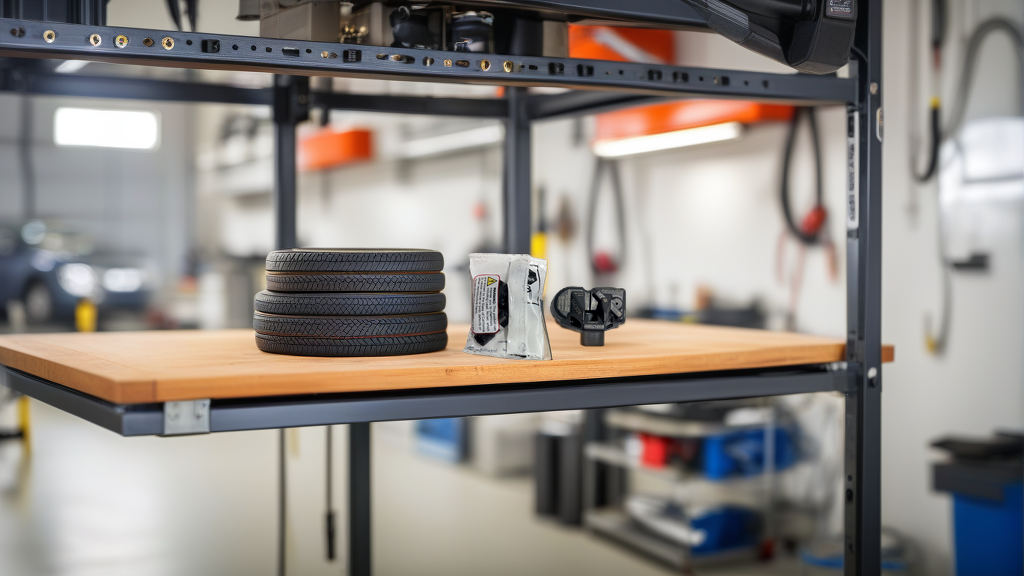
Quick Answer: For most Tesla Model S, 3, X, and Y owners, a quality aftermarket TPMS sensor like the BH-Sens RDE255V26 is a perfectly reliable alternative to the Tesla OEM sensor. You save 40–60% per sensor, and they are pre-programmed, clamp-in, and use the same 2.4GHz frequency. The OEM sensor is only worth it if you need dealer-level diagnostics for a warranty claim or you want zero self-learning hassle on older Model S vehicles before 2016.
—
The Reality of Tesla TPMS Replacement
Tesla doesn’t manufacture TPMS sensors. They source them. The OEM sensor for most Tesla models (part numbers like 149070101B, 149070100B, 149070101C) is actually made by a supplier—and that supplier is often Baolong Technology. The Tesla factory-fit sensors for Model 3 (2017+) and Model Y (2020+) use a 2.4GHz frequency, are clamp-in style, and are pre-programmed at the factory to work with Tesla’s CAN bus system.
When you replace a dead sensor at the dealership, you are paying a massive markup for the same underlying hardware. The aftermarket BH-Sens RDE255V26 is the exact same Baolong Technology internals, sold without the dealer logo.
OEM vs Aftermarket: The Real Differences
| Feature | Tesla OEM Sensor | BH-Sens RDE255V26 (Aftermarket) |
|---|---|---|
| Supplier | Baolong Technology (private label) | Baolong Technology (direct) |
| Frequency | 2.4 GHz | 2.4 GHz |
| Fitment | Clamp-in, fits all Tesla models 2012–2024 | Clamp-in, fits same range |
| Programming | Pre-programmed at factory | Pre-programmed to Tesla OE frequencies |
| Price per sensor | $90–$130 (dealer) | $35–$55 (aftermarket) |
| Warranty | 1–2 years (dealer dependent) | Typically 2 years |
| Self-learning | Auto-learns after short drive | Auto-learns after short drive (same) |
Key takeaway: Functionally identical. The aftermarket unit uses the same 2.4GHz protocol, same battery chemistry, and same sensor ID programming. The only difference is the box it came in.
When OEM Actually Makes Sense
There are exactly two scenarios where OEM is the better choice:
- Warranty-sensitive Tesla: If your Tesla is still under the factory warranty (4 years / 50,000 miles for most models), using aftermarket sensors could be grounds for a dealer to deny a TPMS-related claim. In practice, this is rare, but it happens. If you are paranoid, stick with OEM during warranty.
- Pre-2016 Model S or X: Older Tesla vehicles used a different TPMS protocol (315 MHz in some early cars, or a non-standard CAN bus). The BH-Sens RDE255V26 is designed for 2.4GHz systems (2016+ Model S/X, all Model 3/Y). If you have a 2012–2015 Model S, verify your frequency before buying. Those early cars often require dealer programming—aftermarket sensors may not auto-learn.
Quality Aftermarket Alternatives: What to Look For
A good aftermarket Tesla TPMS sensor must be:
- 2.4GHz frequency (not 315MHz or 433MHz)
- Pre-programmed to Tesla’s OE ID range (no cloning required)
- Clamp-in (not snap-in, which Tesla does not use)
- From a known OE supplier like Baolong, Schrader, or Huf
The RDE255V26 | BH-Sens 2.4GHz TPMS Tire Pressure Sensor | Fits Tesla | OE# 149070101B, 149070100B, 149070101C ticks all these boxes. It is a direct replacement for OE# 149070101B, 149070100B, 149070100C, 149070100D, 149070100E, 149070101C, 149070101D, 149070101E. It ships pre-programmed, so installation is literally: remove old sensor, install new one with a new seal kit, torque the nut to the spec in your owner’s manual (typically 3.5–4.5 Nm), and drive for 5–10 minutes. The car learns it automatically.
Price/Value Analysis
Here is the math for a full set of four sensors on a 2021 Tesla Model 3:
- Tesla OEM (dealer): 4 × $110 = $440 + tax + labor if you have them install it
- BH-Sens RDE255V26 (aftermarket): 4 × $45 = $180 + tax + diy labor (15 minutes per wheel)
Savings: $260+ per set. The sensor battery life is the same (5–7 years typical). The only risk is if you buy from a no-name brand that uses cheap batteries. BH-Sens is Baolong—the same factory that supplies Tesla.
Recommended Part
For most Tesla owners looking to replace a dead TPMS sensor without overpaying, the RDE255V26 | BH-Sens 2.4GHz TPMS Tire Pressure Sensor | Fits Tesla | OE# 149070101B, 149070100B, 149070101C is the smart choice. It is already programmed, uses the correct 2.4GHz frequency, and costs half of what a dealership charges.
—
FAQ
Will the BH-Sens RDE255V26 work on my 2023 Tesla Model Y?
Yes. The RDE255V26 is compatible with all Tesla models using 2.4GHz TPMS, which includes Model Y from 2020 onward and Model 3 from 2017 onward. It is pre-programmed to Tesla’s OE sensor ID range, so the car will recognize it automatically after a short drive.
Do I need to reprogram the sensor myself?
No. The RDE255V26 | BH-Sens 2.4GHz TPMS Tire Pressure Sensor | Fits Tesla | OE# 149070101B, 149070100B, 149070101C is pre-programmed. It will auto-learn to your Tesla’s system. Just install the sensor, mount the tire, and drive. The car will pick up the new sensor ID within 5–10 minutes of driving above 15 mph.
How long does the battery last in an aftermarket TPMS sensor?
Typically 5–7 years, same as the OEM sensor. The battery is sealed inside the sensor and cannot be replaced. When it dies, you replace the entire sensor.
Can I mix OEM and aftermarket sensors on the same car?
Yes. The Tesla system treats each sensor independently. You can replace one dead OEM sensor with a BH-Sens, and the other three can remain OEM. The car will learn all four IDs regardless of brand, as long as they are all 2.4GHz and properly programmed.