
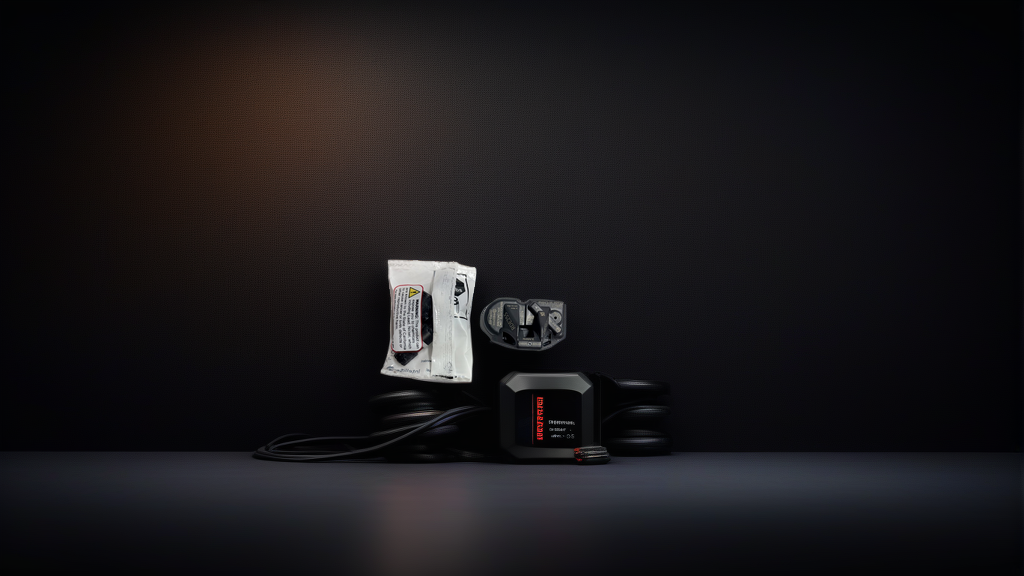
Understanding the MODEL S TPMS System
The MODEL S MODEL S uses a direct TPMS system where each tire valve stem contains a sensor that measures tire pressure and temperature. These sensors transmit data wirelessly at 2.4GHz frequency to the vehicle’s receiver module. Unlike some vehicles that use ABS-based indirect systems, the MODEL S requires functional sensors in each wheel to avoid warning lights.
The factory TPMS sensors (OE# 149070100B, 149070101B, and variants) are designed to last approximately 5-7 years. As the MODEL S has been in production since 2012, many early models are now entering their second or third sensor replacement cycle.
Common Causes of TPMS Warning Light on MODEL S
1. Dead Sensor Battery
The most frequent cause of TPMS warning lights on older MODEL S vehicles is a dead internal battery. TPMS sensors contain non-replaceable lithium batteries designed to last 5-7 years under normal driving conditions. Key symptoms include:
- Intermittent warning light that comes on after driving 10-20 minutes and then disappears
- Warning light stays on after tire pressure is verified correct
- Individual tire pressure reading shows dashes on the center display instead of a psi value
- Multiple sensors failing simultaneously as they age together
If your MODEL S is 2017 or older, expect sensor battery failure soon. Tesla vehicles manufactured before 2018 used sensors with batteries that degrade faster than newer designs.
2. Signal Interference
The MODEL S TPMS operates on 2.4GHz frequency, which is shared with Wi-Fi routers, Bluetooth devices, and aftermarket electronics. Common interference sources include:
- Dashcam power supplies plugged into the 12V outlet near the receiver antenna
- Aftermarket phone chargers with poor shielding
- LED interior lights retrofitted in the cabin
- Wireless charging pads placed near the center console
- Neighboring vehicles with strong TPMS transmitters in parking garages
Signal interference typically produces erratic behavior: the warning light flashes temporarily, or pressure readings fluctuate wildly while actual tire pressure remains stable.
3. Physical Sensor Damage
Clamp-in sensors (like those used on MODEL S) can fail due to:
- Road debris impact damaging the sensor housing
- Improper tire mounting causing the sensor to twist or snap off
- Corrosion from tire sealant or brake dust on the sensor stem
- Over-tightening during tire rotation or replacement
Diagnosing the Root Cause
Follow this step-by-step diagnostic approach before purchasing replacement sensors:
Step 1: Verify Actual Tire Pressure
Use a digital tire gauge to check all four tires when cold. Compare readings to the display. If actual pressure is correct but the display shows incorrect values or dashes, the sensor is likely failing.
Step 2: Check for Signal Interference
Temporarily remove or unplug any aftermarket electronics from the 12V outlets, center console, and windshield area. Drive the vehicle for 10 minutes. If the warning light clears, interference is the cause. If not, proceed to Step 3.
Step 3: Identify the Failing Sensor
Use the MODEL S tire pressure display menu to identify which wheel shows no reading or an obviously wrong reading. A dead sensor will show dashes or a reading that does not change after driving.
Step 4: Assess Sensor Age
Check the sensor date code on the sensor itself (requires wheel removal). Sensors manufactured before 2018 are likely due for replacement. If you cannot access the date code, use the vehicle’s build date as a rough guide.
Sensor Failure Comparison
| Symptom | Dead Battery | Signal Interference | Physical Damage |
|---|---|---|---|
| Warning light behavior | Stays on after pressure check | Flashes or intermittent | Stays on constantly |
| Pressure reading | Shows dashes for one tire | Erratic across multiple tires | Shows dashes for one tire |
| Temperature reading | No temperature data | Normal temperature | Normal or no data |
| Affected wheels | Often multiple at once | Usually one or two | Single wheel |
| Fix | Replace sensor | Remove interference source | Replace sensor |
The BH-Sens RDE255V26 Replacement Solution
When replacement is necessary, the BH-Sens RDE255V26 sensor is the most practical option for MODEL S owners. This sensor is a direct clamp-in replacement that fits the following OE part numbers:
- 149070100B
- 149070100C
- 149070100D
- 149070100E
- 149070101B
- 149070101C
- 149070101D
- 149070101E
Key advantages of the RDE255V26:
- Pre-programmed – No dealer or tool programming required. The sensor comes ready to pair with your MODEL S TPMS system.
- 2.4GHz frequency – Matches the original factory specification for reliable communication.
- Clamp-in design – Same mounting style as OEM, compatible with standard tire service equipment.
- Baolong Technology – BH-Sens is a Tier 1 OEM supplier to multiple automakers, ensuring quality equal to or exceeding the original Tesla part.
This sensor is available on risensauto.com under SKU RDE255V26, and is compatible with all MODEL S variants from 2012 through 2023 (check your specific OE number to confirm fitment).
Recommended Part
For a reliable, dealer-free replacement, use the RDE255V26 | BH-Sens 2.4GHz TPMS Tire Pressure Sensor | Fits Tesla | OE# 149070101B, 149070100B, 149070101C BH-Sens 2.4GHz TPMS sensor. It eliminates the hassle of programming and matches the factory specifications exactly.
Installation Tips for MODEL S
- Always replace all four sensors if your vehicle is over 6 years old. The remaining sensors will fail soon, and you save labor costs by doing them together.
- Use new valve stem nuts and rubber grommets – these wear out and can cause air leaks.
- Reset the TPMS after installation – The MODEL S automatically detects new sensors after driving a few miles, but a manual reset ensures immediate pairing.
- Verify torque – Tighten the sensor nut to the manufacturer’s specification (typically 35-45 in-lb). Over-tightening damages the sensor.
FAQ
How long do TPMS sensors last on a Tesla MODEL S?
Factory TPMS sensors on the MODEL S typically last 5-7 years from the vehicle’s manufacture date. The internal lithium battery is non-replaceable, so the entire sensor must be replaced when the battery dies. Aftermarket replacement sensors like the BH-Sens RDE255V26 have similar lifespan ratings.
Can I replace just one TPMS sensor on my MODEL S?
Technically yes, but it is not recommended if your vehicle is over 5 years old. Replacing all four sensors at once ensures even battery life and prevents future warning lights from other aging sensors. The labor cost for mounting and balancing is the same whether you replace one or four.
Why does my TPMS light come on only in cold weather?
Cold temperatures temporarily reduce tire pressure (approximately 1 psi per 10°F drop). However, if the light comes on only in cold weather and the pressure is within specification, your sensors may have weak batteries that cannot transmit reliably at lower temperatures. This is a classic sign of impending sensor failure.
Will aftermarket TPMS sensors work on my MODEL S without dealer programming?
Yes, if you select pre-programmed sensors like the BH-Sens RDE255V26. These sensors are cloned with the same frequencies and protocols as the original Tesla sensors. They will pair automatically once installed. Always verify the OE part number compatibility before purchasing.