
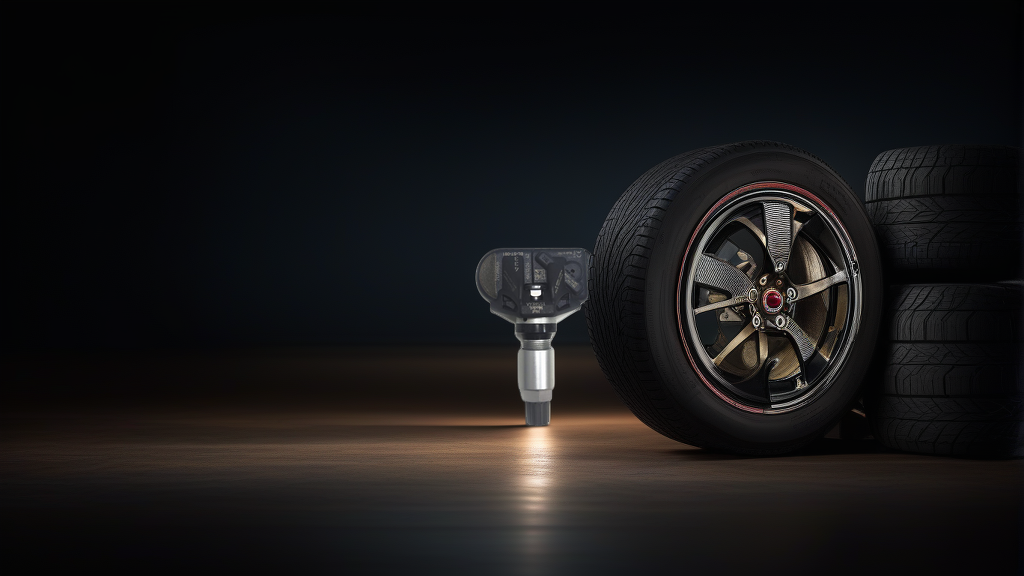
Why EQA TPMS Sensors Fail
The EQA uses a direct TPMS system with individual sensors mounted inside each wheel. These sensors run on lithium batteries that typically last 5–7 years. By the time your EQA reaches 6–8 years old, you’re likely staring at a dashboard warning light. Common failure causes:
- Battery depletion (most common)
- Physical damage during tire changes
- Corrosion at the valve stem (especially in salt-belt regions)
- Signal interference after wheel rotations without proper relearn
When the light comes on, you have two paths: dealer OEM replacement or a quality aftermarket option.
OEM vs Aftermarket: The Real Differences
OEM Sensors (Mercedes-Benz / Continental)
- Price: $85–$130 per sensor (dealer list)
- Construction: Identical to aftermarket units – often made by the same Tier-1 suppliers
- Warranty: Typically 2 years from Mercedes
- Compatibility: Guaranteed plug-and-play for your EQA, but only if you buy the correct superseded part number
Aftermarket (BH-Sens / Baolong)
- Price: $28–$45 per sensor (BL-ST-081 fits EQA)
- Construction: Same factory (Baolong is an OE supplier for BMW, Mercedes, and VW)
- Warranty: 2–3 years (varies by seller)
- Compatibility: Must match frequency (433MHz), clamp-in style, and OE numbers listed below
The critical fact: Baolong Technology is one of the world’s largest OE TPMS manufacturers. Their BH-Sens line uses the same production lines, same battery cells, and same quality control as the sensors branded BMW or Mercedes. The difference is packaging and the price on the box.
Fitment & Compatibility Table
| Specification | OEM (Mercedes) | BH-Sens BL-ST-081 |
|---|---|---|
| Frequency | 433MHz | 433MHz |
| Mounting | Clamp-in | Clamp-in |
| OE Numbers | 36106872774 | 36106872774, 42607WAA02, 5A3DC0401 |
| Battery Life | 5–7 years | 5–7 years |
| Price per sensor | $85–$130 | $28–$45 |
| Warranty | 2 years | 2 years |
| Relearn Required | Yes (TPMS tool) | Yes (TPMS tool) |
When OEM Is Actually Worth It
There are only three scenarios where paying the dealer premium makes sense:
- Leased vehicles – Many lease agreements require OE parts for all repairs. Check your contract.
- Warranty claim period – If your EQA is still under factory warranty (4 years / 50,000 miles in most markets), use OEM to avoid any dispute.
- Insurance requirements – Some comprehensive policies specify OEM replacement for safety systems. Call your agent to confirm.
Outside these cases, you’re paying for the Mercedes star on the sensor body.
The Value Case for Aftermarket
For the average EQA owner, replacing four OEM sensors at a dealer costs $340–$520 in parts alone (plus $100–$200 labor). The aftermarket route:
- 4x BH-Sens BL-ST-081 sensors: $112–$180
- Local tire shop installation: $80–$120
- Total savings: $250–$400
The BL-ST-081 covers your EQA plus Aston Martin, BMW, Maybach, Mini, and other Mercedes models using the 36106872774 OE number. That’s useful if you own multiple vehicles or plan to sell the car.
One nuance: aftermarket sensors sometimes require a different relearn procedure than OEM. Most 2016+ Mercedes models (including EQA) support OBD relearn – any tire shop with an Autel or Bartec tool can handle it in 5 minutes. Always confirm with the seller that the sensor is pre-programmed for your specific vehicle.
Installation Tips for EQA Owners
- Sensor type: Your EQA uses clamp-in sensors with metal valve stems. Do not install snap-in sensors – they’re not compatible.
- Torque spec: Tighten the sensor nut to 35–40 in-lbs (check your service manual). Overtightening cracks the housing.
- Relearn: After replacement, drive the car for 10–15 minutes above 25 mph. The system should auto-detect. If the light stays on, a TPMS tool is required.
- Battery warning: If only one sensor fails, replace all four. The others are likely within 1–2 years of failure, and paying labor twice costs more than doing it once.
Recommended Part
For EQA owners seeking a reliable, cost-effective replacement, the BL-ST-081 | BH-Sens 433MHz TPMS Tire Pressure Sensor | Fits Aston Martin, BMW, Maybach, Mercedes-Benz, Mini & 2 More | OE# 36106872774, 42607WAA02, 5A3DC0401 offers the same 433MHz frequency and clamp-in design as the OE sensor, at a fraction of the cost. It’s manufactured by Baolong Technology, a direct OE supplier – not a generic clone.
FAQ
Will a BH-Sens sensor work with my EQA without programming?
Most BH-Sens sensors come pre-programmed with common Mercedes OE IDs, including the 36106872774 range. Install them, perform a TPMS relearn with an Autel or similar tool, and they will pair. Some sellers offer “programmed to vehicle” service – specify your VIN at checkout.
How long do aftermarket TPMS batteries last compared to OEM?
Both use the same grade lithium cells. Expect 5–7 years. Baolong sensors are used by BMW and Mercedes on the production line, so battery life is identical. The “aftermarket” label doesn’t mean inferior chemistry.
Can I mix OEM and aftermarket sensors on the same EQA?
Yes, but only if they share the same frequency (433MHz) and protocol. Your TPMS module will accept mixed sets as long as each sensor transmits the correct ID. However, for consistent battery life, replace all four at once.
What if my EQA shows “Tire Pressure Monitor Inoperative” after replacement?
This usually means one of three things: a sensor wasn’t programmed for your vehicle, the battery is dead in a new unit (rare), or the relearn wasn’t completed. Verify the OE number matches 36106872774, 42607WAA02, or 5A3DC0401. If all sensors are correct, drive 10 minutes above 25 mph, then use a TPMS tool to force a relearn.