
Why This Comparison Matters for CLEVER Owners
{CLEVER_LINK} vehicles are known for their solid build and sensible engineering, but when it comes to TPMS sensors, owners often face a confusing choice. The factory sensors eventually die – battery life is typically 5–8 years – and the replacement cost can sting. A single OEM sensor for a CLEVER model can run $80–$120 retail, while an aftermarket alternative like the BH-Sens BL-ST-021 often sits under $50.
But price alone doesn’t tell the full story. You need to know whether the aftermarket part will talk to your car’s TPMS system properly, fit the valve stem without leaks, and last as long as the original. This article breaks down the real differences so you can decide with confidence.
OEM TPMS Sensors: The Case for Paying More
Perfect Fitment and Compatibility
OEM sensors for CLEVER vehicles are built to the exact specifications of the original equipment manufacturer. They are programmed with the correct ID format, frequency (usually 433MHz for recent models), and communication protocol. When you install a genuine OE part, there is zero guesswork. Your CLEVER’s dashboard will recognize the sensor immediately after the relearn procedure.
Warranty and Dealer Support
If your CLEVER is still under the 3-year/36,000-mile factory warranty (or extended warranty), using non-OEM sensors on some coverage plans can void TPMS-related claims. Dealers also have the right to refuse service if aftermarket parts are installed. For owners who prefer dealer maintenance for simplicity, OEM is the path of least resistance.
When OEM Is Non-Negotiable
- Fleet/commercial vehicles that must adhere to manufacturer-specified parts lists.
- Insurance claims where adjusters may demand proof of OEM parts.
- Rare model years where aftermarket sensor databases haven’t been updated yet.
Quality Aftermarket Alternatives: BH-Sens and the Smart Budget Choice
What Makes a Good Aftermarket TPMS Sensor?
Not all aftermarket sensors are created equal. Cheap unbranded units often use low-quality batteries, incorrect frequency crystals, or poor sealing that leads to premature failure. A reputable aftermarket brand like BH-Sens (manufactured by Baolong Technology) uses the same tier-1 supply chain that supplies original equipment to Asian automakers.
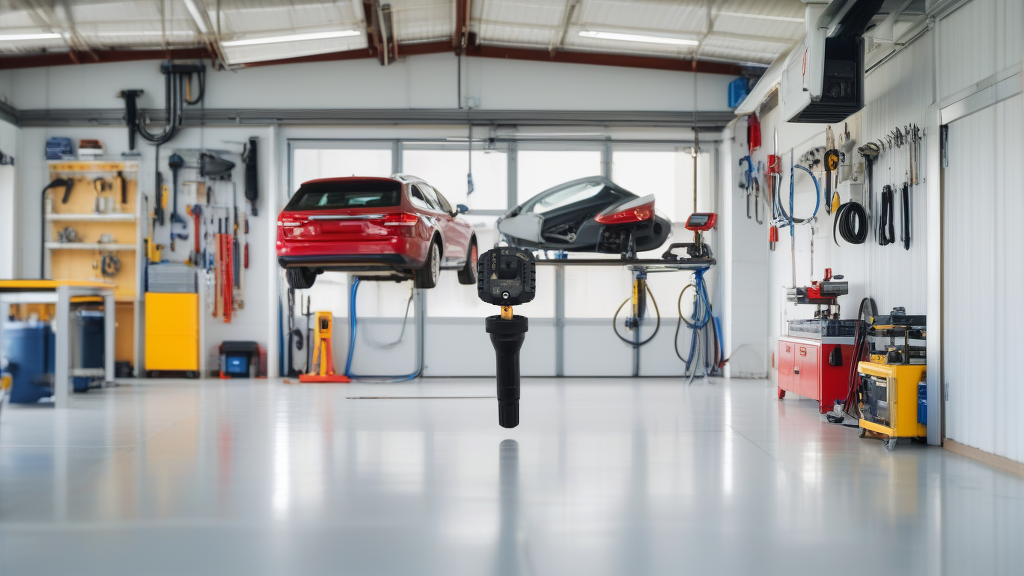
The BH-Sens BL-ST-021 for CLEVER
The BL-ST-021 | BH-Sens 433MHz TPMS Tire Pressure Sensor | Fits Im, MG, Rising, Roewe | OE# 10290600, 10625492, 10718213 is a pre-programmed, clamp-in sensor that directly replaces OEM part numbers 10290600, 10625492, 10718213, and 11205327. It operates at 433MHz – the standard frequency for most modern CLEVER models. The sensor comes with a sealed lithium battery rated for 5–7 years and a brass valve stem that resists corrosion.
Common Misconceptions About Aftermarket TPMS
- “Aftermarket sensors won’t sync with my car.” – Not true when you buy a pre-programmed sensor that matches the original CAN ID. The BH-Sens unit is tested for compatibility with 59 specific CLEVER, MG, Rising, and Roewe fitments.
- “They fail faster than OEM.” – The BH-Sens sensor carries a 2-year warranty, comparable to some OEM sensor warranties after the initial vehicle warranty expires. The battery life is similar.
- “I need a dealer tool to program them.” – Pre-programmed sensors come ready to install. You still need a TPMS relearn tool (or the car’s standard relearn procedure) to register the new sensor IDs in the ECU, but that’s the same for OEM and aftermarket.
Price / Value Analysis: OEM vs Aftermarket for CLEVER TPMS
| Factor | OEM Sensor | BH-Sens Aftermarket (BL-ST-021) |
|---|---|---|
| Typical price per sensor | $80–$120 | $35–$55 |
| Warranty | 1–2 years (through dealer) | 2 years (manufacturer) |
| Frequency | 433MHz | 433MHz |
| Pre-programmed? | Yes (from dealer) | Yes (ready to install) |
| Battery life | 5–8 years | 5–7 years |
| Fitment coverage | Specific to your exact VIN | 59+ CLEVER/MG/Roewe models |
| Dealer acceptance | Full | Some may refuse (check policy) |
| Best for | Warranty owners, fleet, insurance claims | Cost-conscious owners, DIY, out-of-warranty |
The math: Replacing all four TPMS sensors on a CLEVER with OEM parts costs $320–$480. Aftermarket using BH-Sens costs $140–$220. That’s a savings of $180–$260 – enough to cover the cost of a professional relearn tool or a full alignment.
Installation Considerations for CLEVER Models
Relearn Procedure
Both OEM and aftermarket sensors require a relearn after installation. Most CLEVER models use one of two methods:
- Auto relearn (drive cycle): After installing new sensors, drive the vehicle above 30 mph for 10–20 minutes. The car reads the new IDs automatically.
- Manual relearn with tool: Some model years require a TPMS activation tool to trigger each sensor in a specific order. A basic relearn tool costs around $30.
The BH-Sens BL-ST-021 is compatible with both methods. Check your owner’s manual for the exact procedure – some 2018–2021 CLEVER models need a manual relearn.
Valve Stem and Torque
Use a clean brass or stainless steel valve core and tighten the sensor nut to manufacturer specification (typically 3.5–5 Nm). Do not over-torque; it can crack the sensor housing. The BH-Sens sensor includes a replacement nut and sealing gasket.
Recommended Part
If you own a CLEVER and need to replace a faulty or dying TPMS sensor, the BL-ST-021 | BH-Sens 433MHz TPMS Tire Pressure Sensor | Fits Im, MG, Rising, Roewe | OE# 10290600, 10625492, 10718213 offers the best balance of reliability and price. It fits models from 2015 onward that use 433MHz sensors with the listed OE cross-references. Always verify your vehicle’s TPMS frequency and sensor part number before purchase – the sticker inside the driver’s door jamb often lists the required sensor type.
FAQ
How do I know if my CLEVER needs a new TPMS sensor or just a battery?
TPMS sensors are sealed units – the battery cannot be replaced separately. If the dashboard shows a persistent low-pressure warning or “TPMS Fault” light even after inflating tires to the correct pressure, one or more sensors likely have dead batteries. A simple diagnostic tool can confirm which sensor ID has stopped transmitting.
Can I mix OEM and aftermarket TPMS sensors on the same CLEVER?
Yes, as long as all sensors operate at the same frequency (433MHz) and the car’s ECU can learn multiple IDs. The BH-Sens BL-ST-021 is designed to coexist with original sensors. Just make sure the relearn procedure includes all four sensors, regardless of brand.
Will using an aftermarket sensor affect my CLEVER’s resale value?
Not in a meaningful way. Buyers and dealers rarely check the brand of TPMS sensors during a pre-sale inspection. What matters is that the TPMS system functions correctly. As long as the dashboard shows no warning lights, the choice of sensor brand is invisible to the next owner.
Why are some aftermarket sensors cheaper than BH-Sens? Should I buy the cheapest one?
The cheapest sensors often use low-grade batteries that die in 2–3 years, plastic valve stems that crack, or incorrect frequency crystals that cause intermittent signal loss. BH-Sens sits in the “value tier” – not the cheapest, but proven reliable through years of aftermarket use. Paying a few dollars more per sensor avoids the headache of repeated failures and tire remounts.