
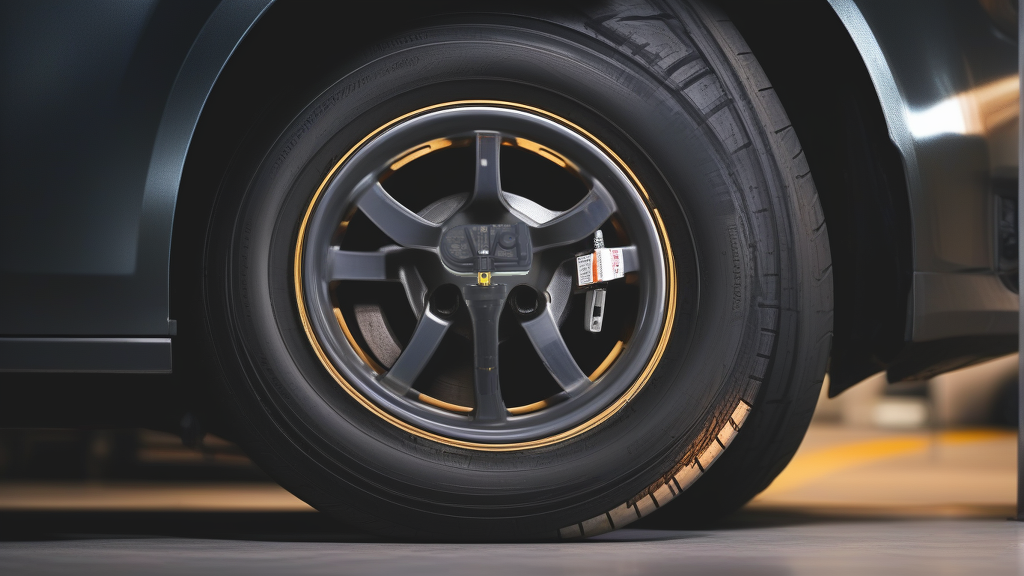
Why a Polestar Needs the Right TPMS Sensor
Polestar vehicles—whether the hybrid Polestar 1 or the all‑electric Polestar 2—use a direct TPMS system that measures pressure and temperature inside each tire. The factory sensors operate at 433 MHz and are programmed to communicate with the vehicle’s body control module. Using a wrong frequency, wrong protocol, or a non‑programmable clone can trigger warning lights, disable the TPMS, or cause erratic readings.
The BL‑ST‑088 from BH‑Sens (Baolong Technology) is a drop‑in replacement that covers several VW Group and Premium Platform Electric (PPE) vehicles, including Polestar. It’s pre‑programmed with the correct data for the listed OE numbers, so no additional cloning tool is needed for most applications. But not every Polestar year or wheel setup is identical—here’s what to check before you click “buy.”
What to Verify Before Ordering a Polestar TPMS Sensor
1. Vehicle Model Year and System Generation
Polestar models evolved quickly. The Polestar 2, for example, launched in 2020 and received mid‑cycle updates that sometimes changed the TPMS module. While the sensor frequency (433 MHz) stayed constant after 2019, the protocol (sometimes called “ID” format) can vary between early and late builds.
Check your owner’s manual or look at the sensor currently installed. Remove a wheel and read the part number on the metal body. If it ends in 32134419, 3WA907255, or 95C907255, the BL‑ST‑088 is a direct match. If you see a different number, verify against BH‑Sens’ cross‑reference or contact your supplier.
2. Valve Type: Clamp‑In vs. Snap‑In
The BL‑ST‑088 is a clamp‑in sensor. Clamp‑in sensors use a metal valve stem secured with a nut from the outside of the wheel. This is standard on most Polestar factory wheels, especially on the Polestar 2 with its aerodynamic covers. If your vehicle has aftermarket wheels or older Polestar 1 rims, confirm that the clamp‑in design fits the valve hole properly. Snap‑in sensors (rubber grommet) are not interchangeable.
3. Tire Size and Pressure Range
Polestar recommends specific pressures—usually 39–42 psi front and rear for the Polestar 2, depending on load. The BL‑ST‑088 handles standard passenger car pressure ranges (0–87 psi), so it’s fine. But if you have a Polestar 1 with staggered tire sizes or run flat tires, the sensor’s response time and accuracy remain identical. No special calibration needed.
4. Programming and Learning
Because the BL‑ST‑088 is pre‑programmed with OE data, it will auto‑learn after installation in most Polestar models. Drive a few miles above 15 mph, and the system should recognise the new sensor IDs. If it doesn’t, you may need a TPMS tool to trigger the sensor manually (most tire shops have this). Pre‑programmed sensors save time compared to blank sensors that require cloning from the old unit.
Fitment Table: BL‑ST‑088 vs. Polestar Models
| Vehicle Model | Years | OE Numbers Covered | Frequency | Notes |
|---|---|---|---|---|
| Polestar 1 (hybrid) | 2020–2022 | 32134419, 3WA907255 | 433 MHz | Clamp‑in; same as Volvo SPA platform |
| Polestar 2 (electric) | 2020–2024 | 32134419, 95C907255 | 433 MHz | Clamp‑in; verify after 2023 MY |
| Polestar 2 (facelift) | 2024–present | 95C907255 (check) | 433 MHz | Reportedly backward‑compatible |
Always double‑check your specific VIN with the supplier if ordering for a 2024+ Polestar 2.
B2B Bulk Buying Notes for Polestar TPMS Sensors
If you’re a workshop, fleet manager, or distributor stocking BL-ST-088 | BH-Sens 433MHz TPMS Tire Pressure Sensor | Fits Audi, Lamborghini, Polestar, Porsche, VW & 1 More | OE# 32134419, 3WA907255, 95C907255 in volume, keep these points in mind:
Batch Consistency
BH‑Sens sensors are manufactured in batches. When buying 50+ units, request the same production lot number. Small differences in firmware revision can cause early‑batch sensors to behave differently than later ones. A consistent lot ensures all sensors behave identically during programming and learning.
Cross‑Fleet Compatibility
The BL‑ST‑088 also fits Audi, Lamborghini, Porsche, VW, and “1 More” (likely Bentley or an obscure VW Group brand). If your fleet includes other premium VW Group EVs (e.g., Audi e‑tron GT, Porsche Taycan), these sensors can be used across vehicles—but confirm the OE suffix. Some models require a slightly different calibration for high‑performance tires. Stock a mix of the common OE numbers.
Packaging and Labelling
For bulk orders, request sensors in sealed blister packs or trays with clear OE markings. This reduces mix‑ups at installation. Also ask for the valve stem nuts and caps included—some budget bulk packs omit these, forcing a separate purchase.
Warranty and Returns
Baolong Technology sensors are reliable, but DOA (dead‑on‑arrival) rates exist. Negotiate a 2–3% buffer or a return policy for defective units. Pre‑programmed sensors cannot be re‑programmed for a different vehicle, so ensure your return window covers the time needed to test on a vehicle.
Recommended Part
For Polestar owners or B2B buyers needing a reliable, pre‑programmed 433 MHz TPMS sensor that fits multiple VW Group cars, the BL‑ST‑088 from BH‑Sens is the correct choice. It matches OE numbers 32134419, 3WA907255, and 95C907255, and works on Polestar 1 and Polestar 2 models up to 2024. BL-ST-088 | BH-Sens 433MHz TPMS Tire Pressure Sensor | Fits Audi, Lamborghini, Polestar, Porsche, VW & 1 More | OE# 32134419, 3WA907255, 95C907255
FAQ
Does the BL‑ST‑088 work on all Polestar 2 years?
It works on 2020–2023 models with the original TPMS module. For 2024+ Polestar 2, verify your sensor part number before ordering; some late‑production models use an updated ID protocol that may still accept this sensor, but confirmation is recommended.
Can I install the sensor myself without a TPMS tool?
Yes, you can physically install it (clamp‑in with a torque wrench — check your manual for the correct nut torque). The sensor will auto‑learn after driving. If the warning light stays on, a tire shop can trigger the sensor with a handheld tool; it does not require dealership programming.
Is the BL‑ST‑088 compatible with the Polestar 1’s staggered wheels?
Yes. The sensor’s electrical characteristics are identical regardless of wheel position. It reads the same pressure range and transmits at the same frequency. Just ensure the valve hole diameter matches (standard 11.3 mm for clamp‑in).
What should I check when buying 100+ sensors for a fleet of Polestar 2s?
Request a single production lot, verify the OE number matches the fleet’s model years, and ask for a small sample batch to test on one vehicle before full rollout. Also confirm that the valve stem length suits the wheel design (some Polestar 2 wheels have deep recesses).