
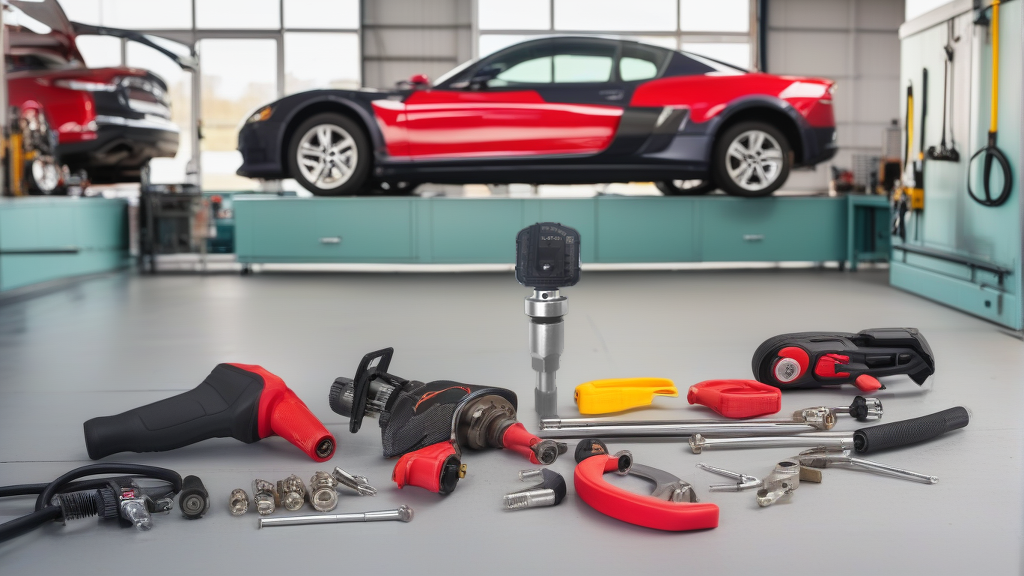
What the CLEVER TPMS Warning Light Is Telling You
The CLEVER uses direct TPMS: each wheel has a clamp-in sensor mounted at the valve stem, measuring pressure and temperature, and transmitting on 433MHz. The receiving module in the car picks up these signals and displays a reading on the dash. When the warning light activates, the logic is simple — either a sensor is reporting pressure outside the acceptable range, a sensor is not reporting at all, or the signal is being corrupted somewhere between the wheel and the receiver.
The pattern of the light matters more than most owners think:
- Blinking for about 60 seconds, then staying solid — system fault. The receiver isn’t getting a valid signal from one or more sensors. Top cause: dead internal battery.
- Steady light as soon as you start driving — low pressure in at least one tire. Inflate to the door-plate value and drive; the light resets after a few minutes above 25 km/h.
- Light appears only after 10–15 minutes of driving — intermittent transmission, typical of a weak sensor battery that works when warm and drops out when the electronics heat up or the internal voltage sags.
Main Causes of the TPMS Warning Light on a CLEVER
1. Actual Low Tire Pressure
The most common cause is not a sensor failure at all. A cold snap can drop pressures by 0.2–0.3 bar, or a slow puncture can trigger the threshold. The CLEVER’s system triggers when pressure drops roughly 25% below the recommended cold value. There is no diagnosis needed — check with a gauge, inflate to the recommended pressure, and the light clears on the next drive cycle.
2. Dead or Dying Sensor Battery
TPMS sensors have a sealed lithium battery. There is no user-replaceable coin cell. Service life typically runs 5 to 8 years, depending on climate and driving habits. Since the CLEVER is often sold as a used city car, many owners are driving on the original factory sensors. When the battery voltage drops, the sensor still wakes up at speed but the signal interval becomes erratic. The receiver may show one tire as “–” or log a communication fault.
Once the battery is fully drained, the sensor is dead. No amount of resetting or relearning will bring it back.
3. Signal Interference
433MHz is a shared frequency band, and the CLEVER’s TPMS receiver has a limited antenna. Any strong RF source nearby can mask the sensor’s brief transmission. Common interference sources include:
- Metallic or ceramic window tints — they attenuate the 433MHz signal before it reaches the receiver.
- Aftermarket dash cams with poor shielding that emit broadband noise.
- USB chargers and 12V adapters plugged into the accessory socket — some cheap ones generate RF noise across the ISM band.
- LED headlight drivers mounted near the dashboard or fuse box.
- Aftermarket remote starters, alarms, or toll transponders transmitting on similar frequencies.
Interference is typically position-dependent: the light comes on in the same parking lot, or near a toll plaza, and turns off a few minutes later on a different road.
4. Physical Sensor Damage or Corrosion
Road salt, water ingress, and careless tire mounting can all kill a TPMS sensor. A sensor with a corroded antenna, a cracked housing, or damage from a tire machine will either stop transmitting or transmit corrupted data. This is more likely if the wheels were recently remounted or if the valve stem looks damaged.
Dead Sensor Battery Symptoms on a CLEVER
This table summarizes what you’ll actually see on the dashboard when the sensor battery is the root cause:
| Symptom | What you see on the dash | Likely cause |
|---|---|---|
| — | — |