
First Checks Before You Replace Anything
TPMS lights are not all the same. On most TXL vehicles, the light behaves in two distinct ways:
- Solid TPMS light — one or more tires is below the recommended pressure, or a sensor is reporting a low pressure value.
- Flashing TPMS light for 60–90 seconds, then solid — the system has a fault. A sensor is not responding, the battery is dead, the signal is corrupted, or the receiver/module has a problem.
Start with a accurate tire gauge, not the dashboard readout. Set all four tires to the placard pressure when cold. Don’t forget the spare if your TXL uses a full-size spare with a sensor. If the light stays on after a correct reset drive cycle, move to sensor diagnosis.
Common Causes of TPMS Warning Light on TXL
1. Low Tire Pressure (Most Common)
Temperature drops of 10°C can reduce tire pressure by roughly 1–2 PSI. A slow puncture, leaking valve, or poorly seated bead will trigger the light before the tire looks flat. Check pressures monthly and before long trips.
2. Dead Sensor Battery
TPMS sensors are battery-powered, and the battery is not replaceable. Most sensors last 5–10 years depending on usage and climate. A dead battery is the number one reason a sensor stops transmitting on an older TXL.
3. Damaged Sensor or Valve
TXL vehicles often use clamp-in sensors. Road debris, curb strikes, or a careless tire change can crack the valve stem or damage the sensor body. A damaged sensor may transmit intermittently or not at all.
4. Signal Interference
TPMS sensors transmit on 433MHz. Aftermarket dash cams, phone chargers, LED lighting, and even some toll transponders can create RF noise that blocks or corrupts the sensor signal. Interference usually causes intermittent warnings that come and go.
5. Receiver or Module Fault
Less common, but possible. If all four sensors are healthy and transmitting but the light stays on, the receiver or TPMS module may need diagnosis with a scan tool.
Dead Sensor Battery Symptoms
A dead TPMS battery rarely fails instantly. Watch for these signs:
- One wheel shows no pressure or “–” on the scan tool while the other three read normally.
- The TPMS light flashes at startup and then stays solid after the reset drive.
- The sensor works when cold but drops out after 20–30 minutes — a weak battery loses voltage under load or heat.
- The sensor is more than 5–7 years old and the vehicle has covered high mileage.
- Intermittent warning that disappears after a bump or temperature change — the battery connection inside the sensor is failing.
If you see these symptoms, do not waste time on repeated resets. Replace the sensor.
Signal Interference Diagnosis
Before condemning a sensor, rule out interference:
- Turn off aftermarket electronics — dash cam, radar detector, USB chargers, LED interior lights. Drive the vehicle and see if the warning changes.
- Check for recently installed accessories near the wheels or under the dash. Poorly shielded devices are common culprits.
- Use a scan tool that shows last transmission time and signal strength for each sensor. A sensor with a strong signal but no recent data may be interfered with, not dead.
- Test in a different location — some areas have heavy 433MHz traffic from gate openers, security systems, or industrial equipment.
- Swap the suspect sensor with a known-good one from another wheel position. If the fault follows the sensor, the sensor is bad. If it stays with the wheel position, check wiring and the receiver.
Fitment and Replacement Notes for TXL
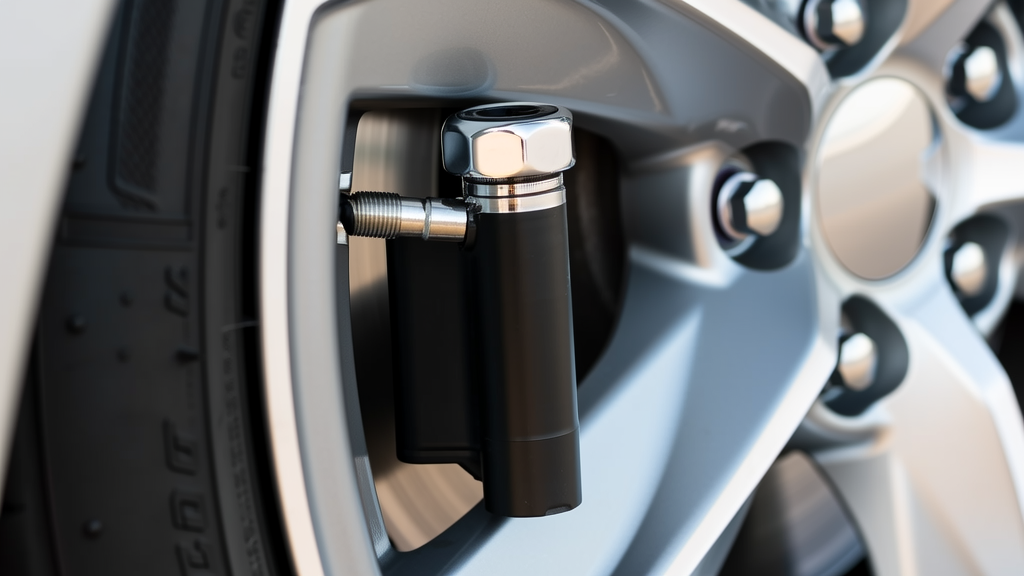
When replacement is needed, use a sensor that matches the frequency, protocol, and physical fitment. The BL-ST-038 is a 433MHz clamp-in sensor from BH-Sens (Baolong Technology), pre-programmed for dedicated OE fitment on compatible Chery, Chery EV, Cowin, and Exeed models including TXL. It carries OE references 802000121AA, 802000126AA, and F02361701001AA.
| Specification | Detail |
|---|---|
| SKU | BL-ST-038 |
| Brand | BH-Sens (Baolong Technology) |
| Frequency | 433MHz |
| Type | Clamp-in, pre-programmed |
| OE numbers | 802000121AA, 802000126AA, F02361701001AA |
| Compatible brands | Chery, Chery EV, Cowin, Exeed (TXL) |
| Fitment note | Dedicated OE fitment — verify position and relearn procedure |
For TXL owners chasing a persistent TPMS fault, the BL-ST-038 | BH-Sens 433MHz TPMS Tire Pressure Sensor | Fits Chery, Chery Ev, Cowin, Exeed | OE# 802000121AA, 802000126AA, F02361701001AA is a direct-fit 433MHz option that eliminates guessing about frequency and protocol. Always follow the vehicle’s relearn procedure after installation — check your vehicle manual or use a capable scan tool. Clamp-in sensor torque values vary; use the specification in your service manual, not a generic number.
Recommended Part
Recommended Part: BL-ST-038 | BH-Sens 433MHz TPMS Tire Pressure Sensor | Fits Chery, Chery Ev, Cowin, Exeed | OE# 802000121AA, 802000126AA, F02361701001AA — BH-Sens 433MHz TPMS Tire Pressure Sensor, clamp-in and pre-programmed for Chery, Chery EV, Cowin, and Exeed (TXL). OE references 802000121AA, 802000126AA, F02361701001AA. Confirm your model year and valve type before ordering.
FAQ
How do I know if my TXL TPMS sensor battery is dead?
A dead sensor usually shows no pressure reading on one wheel, a flashing TPMS light at startup, or intermittent dropouts after the vehicle warms up. A scan tool showing no transmission from one sensor while the other three report normally is the strongest confirmation.
Can cold weather trigger the TPMS light on a TXL?
Yes. Cold weather lowers tire pressure and can push a borderline tire below the threshold. It can also weaken an aging sensor battery. Check pressures when cold and reset the system before assuming the sensor is bad.
What causes TPMS signal interference?
Common sources include dash cams, cheap USB chargers, LED lights, toll transponders, and nearby 433MHz devices. Interference often causes intermittent warnings that move between wheels or appear only in certain locations. Turn off accessories and retest before replacing sensors.
Do I need to reprogram a pre-programmed TPMS sensor?
Pre-programmed sensors still need a relearn or activation procedure so the vehicle recognizes the new sensor ID. Some vehicles auto-learn after a drive cycle; others require a scan tool or relearn tool. Check your TXL manual or consult a technician.