
Why Your 锐腾/GS TPMS Light Comes On
The TPMS (Tire Pressure Monitoring System) in the 锐腾/GS uses direct sensors inside each wheel. Each sensor contains a battery that typically lasts 5-7 years. When the warning light stays on solid or flashes, the system has detected a problem. Here’s what to check first.
Step 1: Rule Out Low Pressure
Use a manual tire gauge to check all four tires (including the spare if equipped). The correct pressure for most 锐腾/GS models is 2.3-2.5 bar (33-36 PSI). If any tire is more than 25% below the recommended pressure, the light will come on. Inflate and drive for 10 minutes—the light should reset automatically.
Step 2: Identify a Dead Sensor Battery
If pressures are correct but the light stays on, one or more sensor batteries have likely died. Symptoms include:
- The light flashes for 60-90 seconds after starting, then stays solid
- A specific tire shows “—” or “0 psi” on the display
- The warning appears only when the vehicle has been parked (cold temperatures drain weak batteries faster)
A dead sensor cannot be repaired—the battery is sealed inside. You must replace the sensor.
Step 3: Check for Signal Interference
Signal interference is less common but real. The 锐腾/GS TPMS operates at 433MHz. Common interference sources:
| Interference Source | How It Affects TPMS | Fix |
|---|---|---|
| Metalized window tint | Blocks RF signal from sensors | Move receiver module (dealer job) |
| LED light bars (aftermarket) | Emits RF noise near 433MHz | Relocate light bar wiring away from wheel wells |
| Wireless phone charger | Can desense receiver temporarily | Move charger away from dashboard receiver area |
| Aftermarket remote start | Shares frequency band | Check installation routing |
To test: Turn off all added electronics. If the light goes out after a few drive cycles, you’ve found the culprit.
When to Replace the Sensor
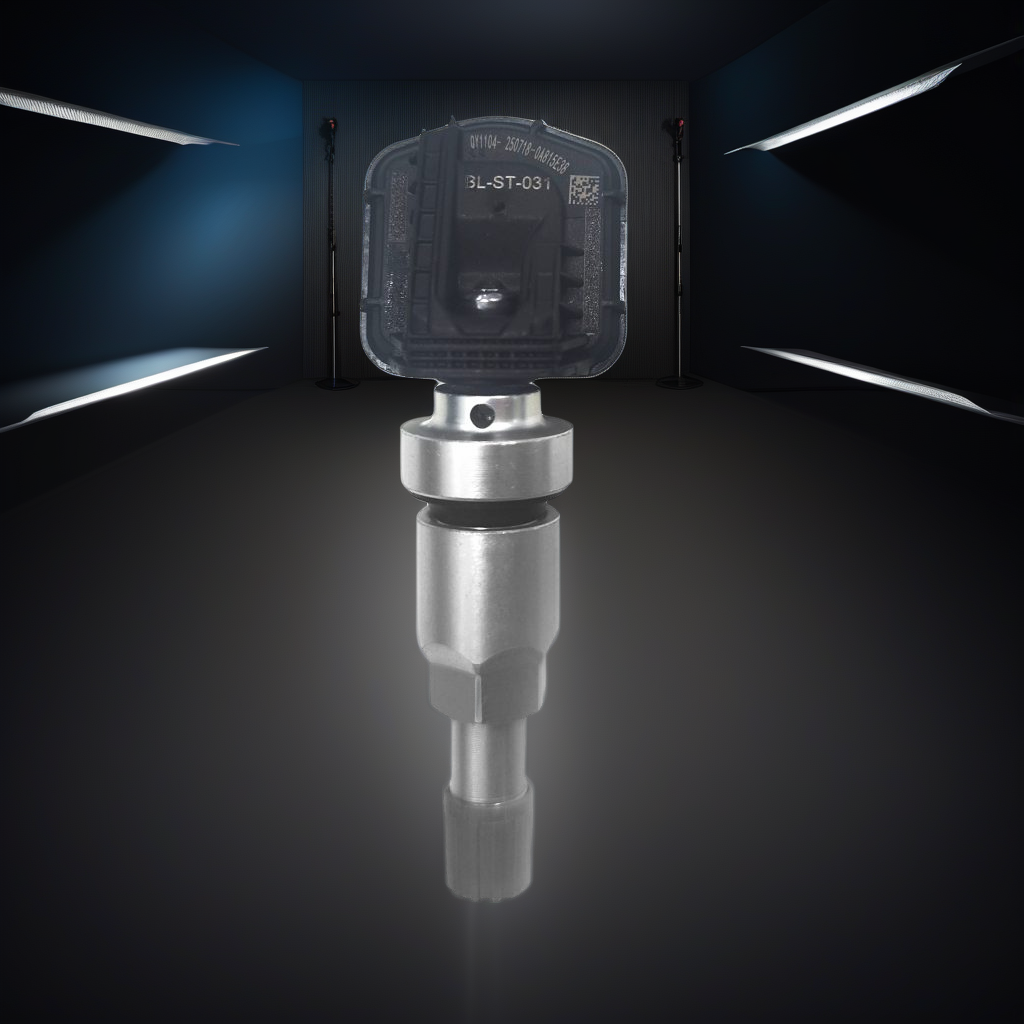
If you’ve confirmed low pressure isn’t the issue and interference isn’t present, replace the faulty sensor. For the 锐腾/GS, the correct replacement is a pre-programmed 433MHz unit like the BL-ST-031 | BH-Sens 433MHz TPMS Tire Pressure Sensor | Fits Im, MG, Rising, Roewe | OE# 10290600, 10625492, 10718213. This sensor is a direct clamp-in fit (no programming tool needed for most 锐腾/GS years) and matches OE numbers 10290600, 10625492, and 10718213.
Installation tip: Always replace the rubber valve stem seal and metal nut when changing a sensor. Torque the nut to 4.0-5.0 Nm (check your manual for exact spec).
Recommended Part
For a guaranteed fit on your 锐腾/GS, use the BL-ST-031 | BH-Sens 433MHz TPMS Tire Pressure Sensor | Fits Im, MG, Rising, Roewe | OE# 10290600, 10625492, 10718213. It’s pre-programmed, works with the factory receiver, and covers 59 OE fitments across MG, Rising, and Roewe models.
FAQ
How long do TPMS sensor batteries last in a 锐腾/GS?
Most factory sensors last 5-7 years. If your 锐腾/GS is older than 2018, expect at least one sensor to fail soon. Battery life is shorter in extreme hot or cold climates.
Can I replace just the battery in a TPMS sensor?
No. All modern TPMS sensors are sealed units. Attempting to open the sensor will damage the internal electronics and void any safety certification. You must replace the entire sensor.
Will a TPMS warning light pass a safety inspection?
In most regions, a solid or flashing TPMS light will fail a safety inspection. Replace the faulty sensor before your next inspection.
Why does my TPMS light only come on when it’s cold outside?
Cold temperatures increase air density, lowering tire pressure slightly. More importantly, cold weather reduces battery voltage in the sensor, causing weak batteries to fail intermittently. If the light only appears below freezing, the sensor battery is near end of life.