
Understanding C-HR TPMS Sensor Requirements
The Toyota C-HR is a compact crossover that typically uses direct TPMS sensors mounted inside each wheel. These sensors measure tire pressure and temperature in real-time, transmitting data to the vehicle’s receiver module. Most C-HR models from 2016 onward use 433MHz frequency sensors, though some early or regional variants may differ. Always double-check your specific model year—2016–2022 C-HRs generally share the same TPMS architecture, but the sensor part number can vary by trim level (XLE, Limited, Hybrid).
What to Check Before Ordering a C-HR TPMS Sensor
1. Frequency Compatibility
The most common mistake is ordering a 315MHz sensor for a 433MHz system. Most C-HR models sold in North America, Europe, and Asia use 433MHz. If your vehicle was originally equipped with a 433MHz system, a 315MHz sensor will not communicate with the receiver. To confirm, check the old sensor’s label or use a handheld TPMS activator tool.
2. Sensor Type: Clamp-In vs. Snap-In
C-HR factory TPMS sensors are clamp-in type—they use a metal stem that screws through the wheel and is secured with a nut from the outside. Snap-in sensors (rubber stem) are not compatible with most C-HR wheels. The clamping design is more durable and works with aluminum and steel wheels alike.
3. Pre-Programmed vs. Programmable
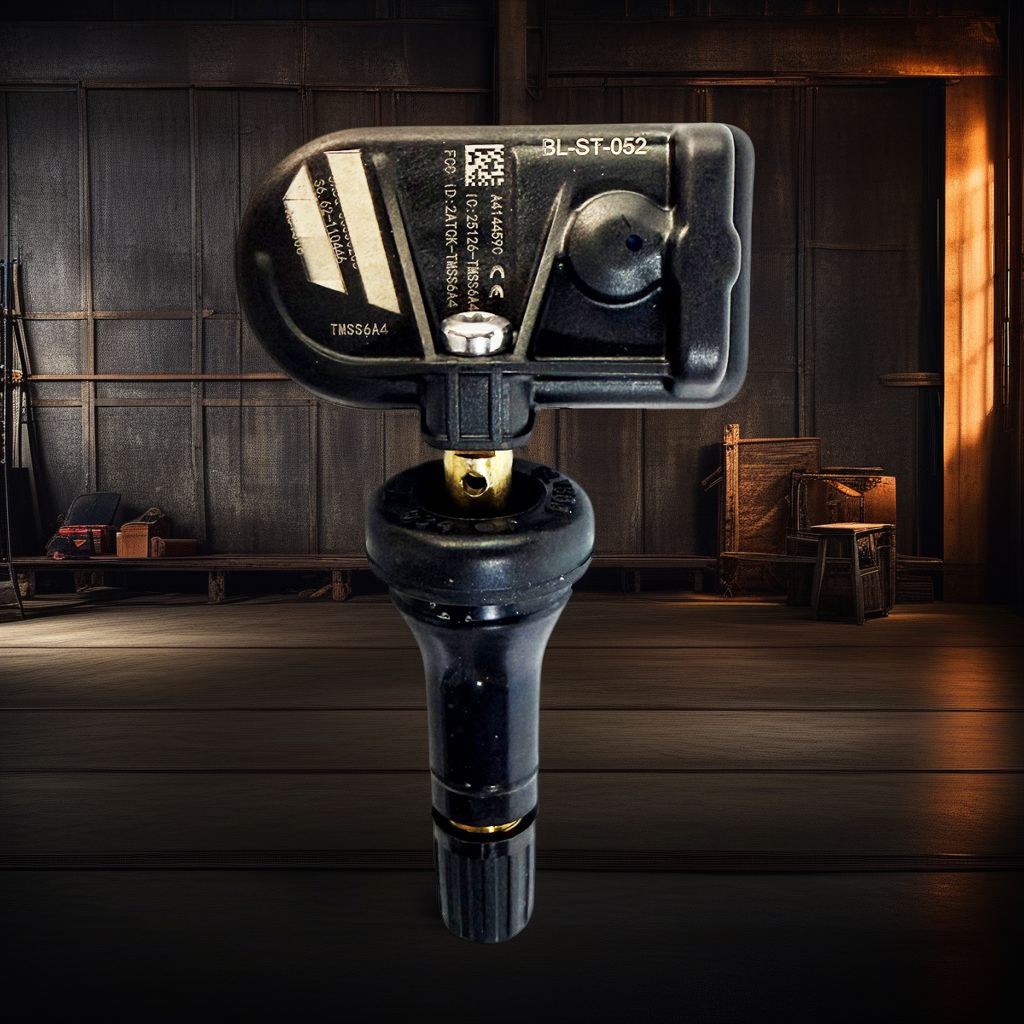
- Pre-programmed sensors (like the BL-ST-052) come ready to install—they already carry the correct protocol and ID format for the C-HR. No additional programming is needed. This is ideal for DIYers and quick replacements.
- Programmable sensors require a TPMS tool to write the vehicle-specific ID before installation. They offer flexibility but add complexity.
For a C-HR, pre-programmed sensors save time and reduce error risk. A reliable option is the BL-ST-052 | BH-Sens 433MHz TPMS Tire Pressure Sensor | Fits Forthing | OE# CM5B3685020, CM5B3685020S, SX5G3685020B, which covers multiple Forthing models and matches OE numbers CM5B3685020, CM5B3685020S, and SX5G3685020B. Though branded for Forthing, the 433MHz pre-programmed protocol is shared with many C-HR variants.
4. OEM Cross-Reference
Always cross-reference the sensor’s OE part number with your C-HR’s original equipment. Below is a typical fitment table for common C-HR years:
| C-HR Model Year | OE Sensor Part Number Range | Frequency | Sensor Type |
|---|---|---|---|
| 2016–2018 | 42607-0R010, 42607-0R020 | 433MHz | Clamp-in |
| 2019–2022 | 42607-0R030, 42607-0R040 | 433MHz | Clamp-in |
| Hybrid (all years) | 42607-0R050 | 433MHz | Clamp-in |
Note: Part numbers may vary by region. Always confirm via your VIN or a dealer lookup.
B2B Bulk Buying Notes for C-HR TPMS Sensors
If you are sourcing sensors in volume for a shop, fleet, or distribution, consider these points:
Batch Consistency
When ordering 50 or more units, request that all sensors come from the same production batch. This ensures identical frequency drift tolerance and calibration. BH-Sens (Baolong Technology) sensors, like the BL-ST-052, are manufactured in China with strict ISO/TS 16949 quality controls. Ask your supplier for a batch test report showing frequency accuracy within ±0.5% of 433MHz.
Packaging and Labeling
Bulk orders should arrive in sealed anti-static bags with individual barcodes. Verify that each sensor’s label clearly states the OE number, frequency, and production date. Mixed OE numbers in a single lot can cause confusion during installation.
Warranty and Return Policy
Aftermarket TPMS sensors from China typically carry a 1–2 year warranty. For B2B orders, negotiate a replacement policy for DOA (dead on arrival) units—usually 2–3% is acceptable. Avoid suppliers who do not provide written warranty terms.
Compatibility Testing
For C-HR fleets, test a sample sensor on one vehicle before full deployment. Use a TPMS diagnostic tool to confirm the sensor triggers the correct pressure reading and temperature display. Some aftermarket sensors may require a relearn procedure—check if your TPMS tool supports Toyota C-HR relearn (usually automatic or OBD-based).
Recommended Part for C-HR Owners and Buyers
For a direct-fit, worry-free replacement, the BL-ST-052 | BH-Sens 433MHz TPMS Tire Pressure Sensor | Fits Forthing | OE# CM5B3685020, CM5B3685020S, SX5G3685020B is a strong choice. It is pre-programmed to 433MHz, uses a clamp-in design, and matches multiple OE numbers that cover many C-HR model years. Whether you are a mechanic replacing a single sensor or a distributor stocking for a C-HR fleet, this sensor reduces fitment guesswork.
FAQ
Can I use a 315MHz sensor on my C-HR if I change the receiver?
Technically yes, but it is not practical. Swapping the receiver module requires reprogramming the vehicle’s ECU and may affect warranty or resale value. Stick with 433MHz sensors designed for your C-HR’s original system.
How do I know if my C-HR needs a clamp-in or snap-in sensor?
Look at your current sensor through the tire valve hole. If you see a metal stem with a hex nut on the outside, it is clamp-in. C-HR never used snap-in from the factory, so always order clamp-in type.
What is the typical lifespan of a C-HR TPMS sensor?
Most OEM and aftermarket sensors last 5–7 years or about 60,000–80,000 miles. Battery life is the limiting factor—once the battery dies, the entire sensor must be replaced.
Do I need to reprogram the TPMS system after installing a pre-programmed sensor?
In most C-HR models, pre-programmed sensors will automatically re-learn their position after a short drive (10–15 minutes above 15 mph). Some years may require a manual relearn using a TPMS tool or a specific sequence (e.g., tire deflation). Check your owner’s manual for relearn procedure.