
Why Winter Tire Swaps Demand TPMS Attention on ACEMAN Models
Your ACEMAN relies on direct TPMS sensors mounted inside each wheel. Unlike indirect systems that use ABS wheel speed data, direct sensors measure actual tire pressure and temperature. Neglecting them during a seasonal swap can trigger dashboard warning lights, false low-pressure alerts, or even sensor damage.
Pressure Changes with Temperature: The 1 PSI Rule
Air contracts in cold weather. For every 10°F drop in ambient temperature, your tire pressure decreases by about 1 PSI. A tire filled to 35 PSI at 70°F will read roughly 32 PSI at 40°F. This is normal—but your ACEMAN’s TPMS warning threshold (usually 25% below placard pressure) may trigger if you don’t adjust.
Practical steps:
- Inflate tires to the pressure listed on your door placard (not the sidewall max) when the tires are cold.
- After mounting winter wheels, let the vehicle sit for at least 1 hour before checking and adjusting pressure.
- Recheck pressures after 2 days of driving—the sensors will stabilize as the new tires seat.
Storage Tips for Summer Wheels & Sensors
Improper storage shortens TPMS sensor battery life. Follow these guidelines:
- Clean the sensors before storage. Road salt and brake dust can corrode the valve stem seal.
- Store wheels indoors if possible. Extreme cold (below -20°F) can accelerate battery drain.
- Mark each wheel’s position (LF, RF, LR, RR) with tape. This helps if your ACEMAN requires sensor position relearn after the swap.
- Keep tires inflated to at least 50% of recommended pressure to prevent sidewall flat-spotting.
Sensor Compatibility for ACEMAN: What to Look For
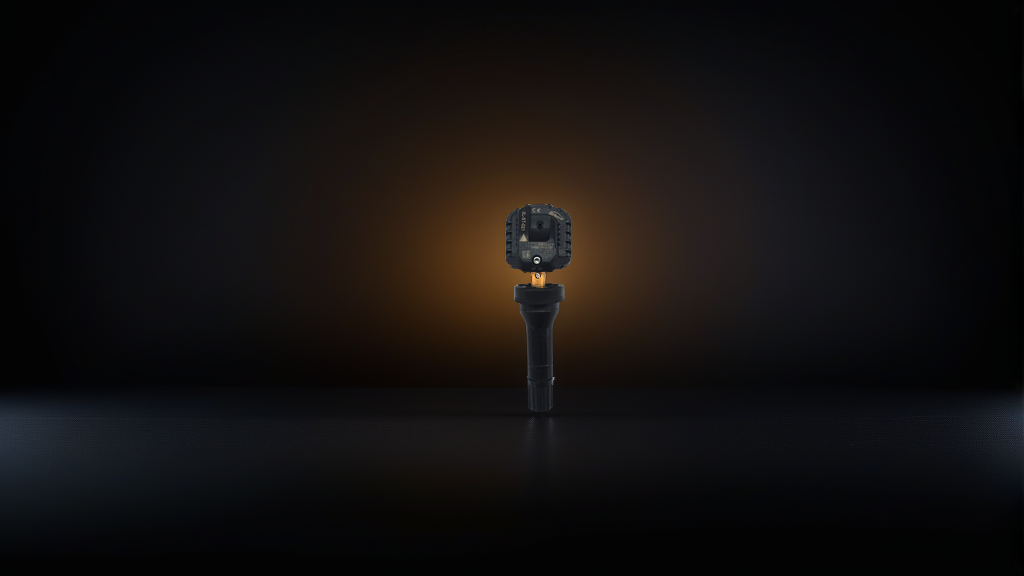
Not all TPMS sensors work with ACEMAN’s ECU. The BL-ST-021 | BH-Sens 433MHz TPMS Tire Pressure Sensor | Fits Im, MG, Rising, Roewe | OE# 10290600, 10625492, 10718213 is a direct-fit, pre-programmed option that covers your vehicle. Here’s a quick compatibility reference:
| Feature | BL-ST-021 (BH-Sens) | Notes |
|---|---|---|
| Frequency | 433MHz | Matches ACEMAN’s receiver |
| Type | Clamp-in (metal valve) | More durable than rubber for winter use |
| OE Cross | 10290600, 10625492, 10718213 | Confirmed for 59+ OE fitments |
| Pre-programmed | Yes | No extra programming tool needed |
| Brand | BH-Sens (Baolong Technology) | OEM-quality Chinese supplier |
Important: Even with pre-programmed sensors, your ACEMAN may require a relearn procedure after a wheel swap. Consult your owner’s manual—many models use a magnet or OBD tool to trigger sensor registration.
Recommended Part
For a hassle-free winter swap, install the BL-ST-021 | BH-Sens 433MHz TPMS Tire Pressure Sensor | Fits Im, MG, Rising, Roewe | OE# 10290600, 10625492, 10718213. It’s pre-programmed to ACEMAN’s 433MHz system, clamp-in design resists corrosion, and it directly replaces OE# 10290600. Keep a spare set for your summer wheels to avoid repeating the relearn process.
FAQ
How often should I check tire pressure on my ACEMAN in winter?
At least once every two weeks. Temperature swings can cause pressure drops of 2–3 PSI overnight. A quick visual check is not enough—use a digital gauge or the TPMS display.
Can I use the same TPMS sensors for summer and winter wheels?
Yes, but only if you transfer them with each wheel set. Many owners buy a second set (like the BL-ST-021) to keep one sensor set permanently mounted on winter wheels. This saves labor and avoids seal damage from repeated dismounting.
What if my ACEMAN’s TPMS light stays on after the swap?
First, verify all four sensors are transmitting. Drive above 15 mph for 10 minutes—this often triggers sensor wake-up. If the light remains, a sensor may have a dead battery or be incompatible. Use a TPMS scan tool to check each sensor ID.
Do I need to replace the valve stem cap during a tire swap?
Yes. Use only metal or OEM-style valve caps. Plastic caps can crack in cold weather, causing slow leaks. Never use anti-seize or oil on the valve stem threads—it can damage the sensor seal.