
Why Winter Tire Swaps Need TPMS Attention
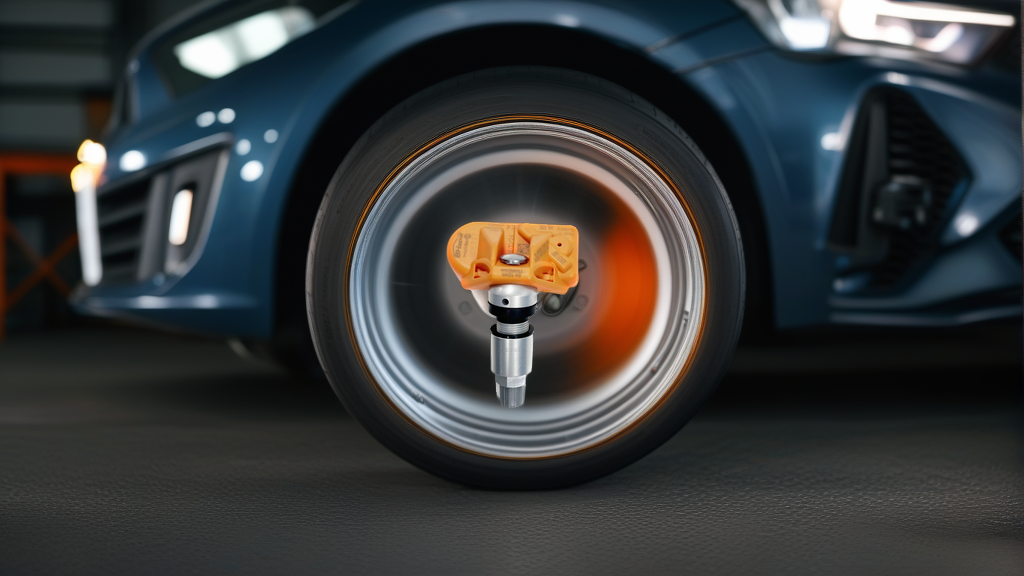
Every PACEMAN PACEMAN equipped with a TPMS system requires functional sensors on both summer and winter wheel sets. Skipping the sensor install or using incompatible units triggers the TPMS warning light—and in many regions, that means a failed safety inspection. The PACEMAN uses a 433MHz system, making the BH-Sens RDE027V21 a direct plug-and-play replacement. It’s pre-programmed to OE frequencies and IDs, so no dealer activation is needed.
Temperature vs. Tire Pressure: The 10°F Rule
Rubber and air physics don’t pause for winter. For every 10°F drop in ambient temperature, tire pressure decreases by about 1–2 PSI. If you set your PACEMAN’s tires to 35 PSI in a 70°F garage and drive out into 20°F weather, expect the dash reading to show 30–32 PSI. That’s normal—but under-inflated tires reduce traction and increase wear.
What to do: Always check and adjust tire pressure when the tires are cold (not driven for at least 3 hours). Use the pressure listed on your PACEMAN’s driver-side door jamb, not the max sidewall number. Over-inflating for cold weather is a mistake—it reduces contact patch and ride comfort.
Storage Tips for Off-Season Sensors and Wheels
Improper storage of your PACEMAN’s summer wheels and TPMS sensors can shorten their lifespan. Follow these guidelines:
- Store wheels indoors if possible. Extreme cold below -20°F can weaken sensor batteries.
- Keep sensors out of direct sunlight and away from heat sources—UV and heat degrade the rubber valve stem.
- Remove any battery corrosion if sensors are detached. BH-Sens units are sealed, but check for physical damage.
- Label each wheel with its position (LF, RF, LR, RR) to simplify reinstallation next season.
Storage Condition Comparison
| Factor | Ideal | Avoid |
|---|---|---|
| Temperature | 40–80°F | Below -20°F or above 120°F |
| Humidity | Dry, <50% | Damp basements, direct rain |
| Pressure on valve | None (stack wheels flat) | Stacking heavy items on stems |
| Sun exposure | Dark or covered | Direct sunlight for months |
When to Replace PACEMAN TPMS Sensors
Most TPMS sensors last 5–7 years. If your PACEMAN is approaching that age and you’re due for a winter tire swap, consider replacing all four sensors with a fresh set. The RDE027V21 | BH-Sens 433MHz TPMS Tire Pressure Sensor | Fits Alpina, BMW, Mini | OE# 36106856209, 36106881890, 6855539 is a clamp-in, pre-programmed 433MHz sensor that fits Alpina, BMW, and Mini models, including the PACEMAN. It matches OE numbers 36106856209, 36106881890, 6855539, and 70735510, so you won’t need a separate programming tool.
Signs your sensors need replacement:
- Persistent TPMS light after correct inflation
- Intermittent or missing sensor readings
- Visible corrosion on the valve stem base
Recommended Part
For a hassle-free winter swap, install the RDE027V21 | BH-Sens 433MHz TPMS Tire Pressure Sensor | Fits Alpina, BMW, Mini | OE# 36106856209, 36106881890, 6855539 on your PACEMAN’s winter wheels. It’s pre-programmed, clamp-in, and covers 25+ OE fitments—just valve-stem install and drive.
FAQ
How do I reset the TPMS on my PACEMAN after a winter tire swap?
Most PACEMAN models reset automatically after driving a few minutes at speeds above 15 mph. If the light stays on, check the tire pressures, then use the TPMS reset button (usually under the steering column or in the iDrive menu). Consult your owner’s manual for the exact sequence—some require holding the button for 3 seconds while the vehicle is stationary.
Can I use my old PACEMAN sensors on aftermarket winter wheels?
Yes, if the aftermarket wheels accept clamp-in sensors. Avoid band-style sensors—they rarely fit non-OEM rims. Verify the valve stem hole diameter (standard is 11.5mm) before installation.
Does cold weather permanently damage TPMS sensors?
No, but repeated extreme cold below -30°F can weaken the internal lithium battery. BH-Sens sensors are rated for typical winter climates. If you live in arctic conditions, consider storing the sensors indoors before the coldest months.
What PSI should I run in winter for my PACEMAN?
Stick to the factory-recommended cold pressure on your door placard. Do not reduce pressure for “more traction”—that’s a myth. Lower pressure increases sidewall flex and heat buildup, reducing safety and fuel economy.