
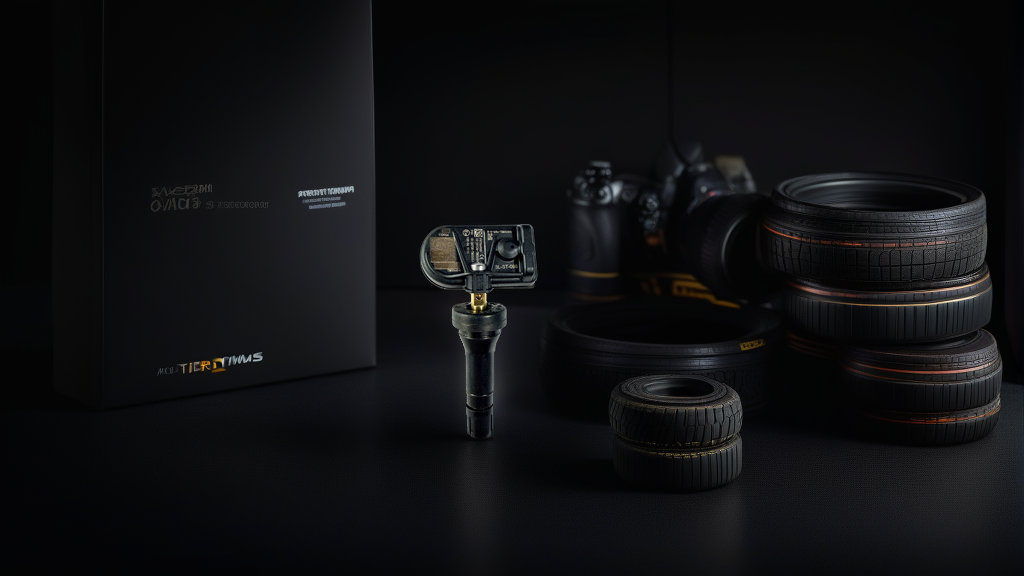
Understanding TPMS on the HAN L DM-I
The HAN L DM-I uses a direct TPMS system, meaning each wheel has a sensor inside the tire that transmits pressure and temperature data to the vehicle’s ECU. The system operates at 433MHz frequency (common for Asian-market vehicles). When the TPMS light flashes or stays solid, it’s not just a pressure issue — it can be a sensor hardware or signal problem.
Your HAN L DM-I’s TPMS system uses protocol 0x022A, which is compatible with the BL-ST-096 sensor. Unlike older systems that require a programming tool for replacement, this protocol supports auto relearn — drive the car above 25 km/h for a few minutes, and the ECU pairs the new sensor automatically.
Common TPMS Warning Light Causes
1. Low Tire Pressure (Most Common)
The system triggers a warning when pressure drops 25% or more below the recommended value (typically 33–36 PSI for the HAN L DM-I). Seasonal temperature drops can cause false alarms — check pressure when tires are cold.
2. Dead Sensor Battery
TPMS sensor batteries are non-replaceable and last 5–7 years. On the HAN L DM-I (2025+ models), the sensors are still within their battery lifespan, but if you’re buying a used unit or experiencing early failures, check the manufacturing date stamped on the sensor housing. Symptoms include:
- The TPMS light flashes for 60–90 seconds at startup, then stays solid
- One or more wheels show “—” or “0” on the display
- The system fails to update readings after adding air
3. Sensor Damage or Failure
Road debris, tire mounting mistakes, or corrosion can damage the sensor. The HAN L DM-I’s sensors are mounted to the valve stem (rubber stem on base models, metal stem on higher trims). If you’ve recently had tires replaced or patched, the sensor could be physically broken.
4. Signal Interference
433MHz sensors are susceptible to interference from:
- Aftermarket LED headlights or fog lights (poorly shielded drivers)
- Dashcam power supplies or GPS trackers placed near the wheel wells
- Metalized window tint (can block signals from the rear wheels)
- Keyless entry repeaters or aftermarket remote starters
5. ECU or Receiver Module Fault
Less common, but the TPMS receiver module (located behind the glove box or under the rear seat in the HAN L DM-I) can fail. This usually affects all four wheels simultaneously — all readings show “—” with no flashing light.
Dead Sensor Battery Symptoms: A Detailed Checklist
| Symptom | What It Looks Like | Likely Cause |
|---|---|---|
| Intermittent readings | Pressure shows normally, then drops to “—” for a few minutes | Battery voltage dipping below 2.0V |
| Flash at startup | Light flashes 1 minute, then stays solid | One or more sensors not transmitting |
| Slow response | Takes 5+ minutes to update after adding air | Weak battery, sensor still working but slow |
| Temperature mismatch | Temperature reading is 20°C+ higher than other wheels | Internal battery swelling affecting thermistor |
| All four wheels dead | No readings at all, light stays on | Receiver module fault or all batteries expired simultaneously (rare) |
On the HAN L DM-I, a dead sensor battery will not affect drivability, but the warning light is annoying and you’ll lose real-time pressure monitoring. You cannot replace just the battery — the entire sensor must be swapped. The BL-ST-096 sensor is pre-programmed to match the HAN L DM-I’s protocol and requires no programming tool.
Signal Interference Diagnosis
Interference is harder to diagnose than a dead battery because the symptoms mimic sensor failure. Here’s how to confirm:
- Check if it’s wheel-specific: If only the left rear wheel shows erratic readings, the problem is likely local interference (e.g., a dashcam power supply routed near the left rear wheel well).
- Test with ignition on, engine off: If the readings stabilize when the engine is off but go erratic when running, suspect electrical noise from the alternator or aftermarket accessories.
- Remove aftermarket electronics temporarily: Unplug dashcams, LED upgrades, and USB chargers one by one. Drive for 10 minutes between each removal to see if the warning clears.
- Use a 433MHz scanner (optional): A cheap RTL-SDR dongle can confirm whether the sensor is transmitting. If the sensor transmits but the car doesn’t receive, the receiver module may need replacement.
Common interference sources on the HAN L DM-I include:
- Aftermarket wireless phone chargers (especially those mounted on the dashboard near the windshield)
- LED license plate lights (poor shielding can broadcast noise at 433MHz)
- Power inverters plugged into the 12V socket
How to Reset the TPMS Light on HAN L DM-I
If you’ve fixed the root cause (inflated tires, replaced a sensor, removed interference), the TPMS light should turn off automatically after driving above 40 km/h for 5–10 minutes. If it stays on:
- With original sensors: Go to Vehicle Settings > Tire Pressure > Calibration on the infotainment screen. Drive for 10 minutes at steady speed.
- With BL-ST-096 sensors: No manual reset needed. The auto relearn function pairs within 3 minutes of driving above 25 km/h. If the light remains on, verify the sensor part number matches your vehicle year (2025+).
Note: Do not attempt to reset the light by disconnecting the battery — this does not clear TPMS codes on modern BYD vehicles and may require a dealer scan tool to reinitialize.
When to Replace the Sensor
Replace the TPMS sensor if:
- The battery is dead (confirmed by no reading despite good tire pressure)
- The sensor is physically cracked or the valve stem is corroded
- You’re replacing all four tires and the sensors are over 6 years old (preventive replacement)
- The system shows a “Sensor Fault” code specific to one wheel
The BL-ST-096 | BH-Sens 433MHz TPMS Tire Pressure Sensor | Fits BYD (2025+) | OE# EUEA3609200B, 110964, BLST096 is a direct OE equivalent for the HAN L DM-I and 34 other BYD models (2025+). It uses the correct 0x022A protocol and requires no programming tool — just install, drive, and the ECU learns it automatically.
Recommended Part
For a reliable, no-hassle replacement on your HAN L DM-I, use the BL-ST-096 | BH-Sens 433MHz TPMS Tire Pressure Sensor | Fits BYD (2025+) | OE# EUEA3609200B, 110964, BLST096. It’s an OEM-equivalent 433MHz sensor that matches OE# EUEA3609200B, 110964, and BLST096. The auto relearn feature saves you a trip to the dealer — just mount it, drive for a few minutes, and the warning light goes off.
FAQ
Can I drive my HAN L DM-I with the TPMS light on?
Yes, you can drive, but the system will not alert you to a sudden pressure loss. If the light is solid, check tire pressure manually. If it’s flashing, a sensor is failing — you have reduced monitoring but the car is safe to drive to a repair shop. Avoid high-speed driving until you confirm tire pressure is correct.
How do I know if my HAN L DM-I TPMS sensor has a dead battery or signal interference?
Check the pattern: a dead battery usually affects one wheel only, with the reading dropping to “—” after the car sits overnight. Signal interference typically causes erratic readings — pressure jumping between normal and “—” while driving, or all four wheels showing “—” intermittently. Use the ignition-on test described above to distinguish.
Will aftermarket LED headlights cause TPMS interference on the HAN L DM-I?
Yes, poorly shielded LED drivers can emit radio noise at 433MHz, especially if installed in the front bumper area near the wheel well. If you installed LEDs and the TPMS light came on shortly after, try removing the LED bulbs temporarily. If the light goes off, install a ferrite core on the LED driver wiring or switch to a shielded brand.
How long does the BL-ST-096 sensor battery last?
The BL-ST-096 uses a standard lithium battery rated for 5–7 years of normal driving (about 15,000 km per year). Battery life depends on driving frequency — more trips mean more transmissions. The sensor transmits data every 30 seconds when the car is moving, and every 3 minutes when parked.