
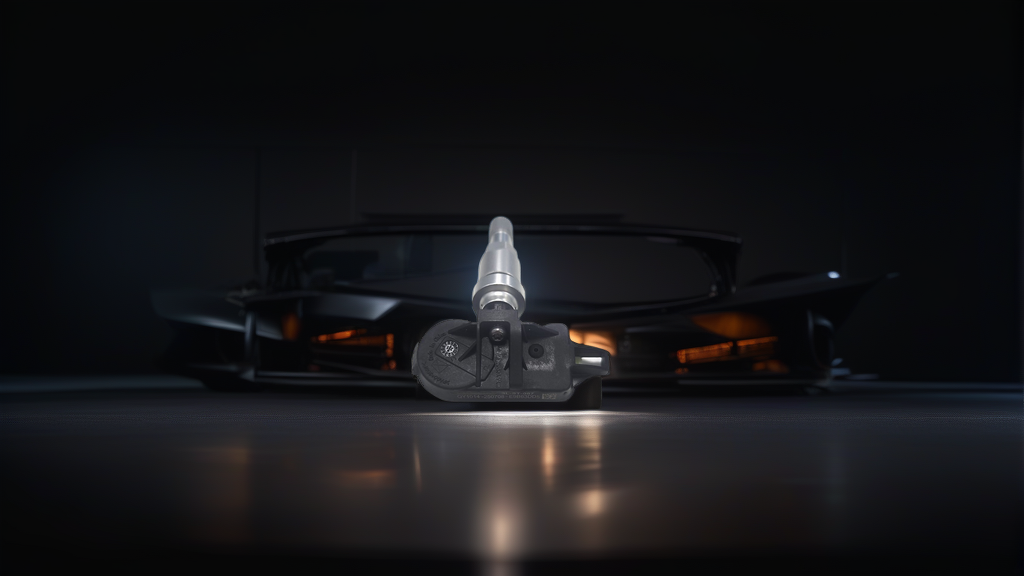
Understanding the TPMS Warning Light on Your ORLANDO
The Tire Pressure Monitoring System (TPMS) on your ORLANDO is a direct system — each wheel has a sensor inside the tire that measures pressure and temperature, then transmits data via 433MHz radio frequency to the vehicle’s receiver. When the warning light stays on or flashes, it’s telling you something specific. Ignoring it can lead to tire damage, poor fuel economy, or unsafe handling.
Common reasons the light activates:
- Pressure below 25% of the recommended level (usually 32–38 psi, check your door jamb sticker)
- Sensor battery voltage dropping below the transmission threshold
- Radio frequency interference blocking the sensor signal
- Sensor failure due to impact, corrosion, or age
Dead Sensor Battery Symptoms
TPMS sensors are powered by internal lithium batteries designed to last 5–7 years or about 100,000 miles. When the battery starts dying, you’ll notice these specific symptoms:
Intermittent Warning Light
The light may come on during a long drive, then turn off after the car sits overnight. This happens because cold temperatures reduce battery output, causing the sensor to miss a transmission cycle.
Delayed or Skipped Readings
A healthy sensor transmits every 60 seconds while driving above 20 mph. A weak battery may skip several cycles, then suddenly report a normal pressure — confusing for drivers.
“No Signal” or “– –” on the Display
If your ORLANDO has a tire pressure display, you’ll see dashes instead of a pressure reading for one wheel. This is a classic dead battery symptom.
Short Range During Winter
Cold weather (below freezing) can drop battery voltage by 10–15%. A borderline battery may fail entirely in winter, then appear fine in summer. Replace the sensor before cold weather hits if it’s over 5 years old.
Note: The BL-ST-087 sensor (SKU: BL-ST-087) from BH-Sens is pre-programmed for Buick/Chevrolet applications including the Orlando, so it pairs automatically without additional programming tools. It uses a fresh lithium battery rated for long service life.
Signal Interference Diagnosis
TPMS operates on 433MHz in most GM vehicles, including the Orlando. This frequency is shared with other devices, and interference can cause false warnings or complete loss of signal.
Common Interference Sources
| Interference Source | Symptoms | How to Test |
|---|---|---|
| Aftermarket LED headlights or fog lights | Random TPMS light, especially when lights are on | Turn lights off and drive 5 minutes — if light clears, interference is likely |
| Dashcam or radar detector power supply | Light flickers or appears only when device is plugged in | Unplug the device completely, drive 10 minutes, then check |
| USB chargers in 12V socket | Light appears intermittently | Remove all USB chargers, drive and observe |
| Metal window tint or roof rack | Sensor signal blocked, one wheel shows no reading | Check if tint is metallic; roof racks close to antenna can also block |
| Aftermarket remote start or alarm system | Multiple sensors show “no signal” at same time | Temporarily disable system and test |
Diagnosis Procedure
- Start simple: Check all four tire pressures with a gauge. If any are low, inflate and reset the system (most Orlandos reset automatically after driving above 20 mph for 10 minutes).
- Scan with a TPMS tool: A universal TPMS diagnostic tool (like the Autel TS508 or Bartec) can read each sensor’s ID, pressure, temperature, and battery voltage. A battery below 2.3V under load means replacement is needed.
- Drive test: Clear any interference sources. Drive the vehicle for 15 minutes at highway speed. If the light stays off, the problem was interference or low pressure.
- Check sensor location: If one wheel consistently shows no signal, the sensor itself may be dead or damaged. Rotate tires (if compatible) to see if the problem follows the wheel.
When to Replace the Sensor
Replace the TPMS sensor if:
- Battery voltage reads below 2.2V on a diagnostic tool
- Sensor transmits no data after a full drive cycle
- Physical damage is visible (cracked housing, corroded stem)
- The sensor is over 7 years old (even if still working — proactive replacement avoids roadside issues)
The BL-ST-087 | BH-Sens 433MHz TPMS Tire Pressure Sensor | Fits Buick, Chevrolet | OE# 26670584 is a clamp-in, pre-programmed sensor that fits Orlando models and many other Buick/Chevrolet vehicles. It does not require cloning or relearn in most cases — install it, drive for a few minutes, and the vehicle will recognize it automatically.
Recommended Part
For a reliable replacement, use the BL-ST-087 | BH-Sens 433MHz TPMS Tire Pressure Sensor | Fits Buick, Chevrolet | OE# 26670584 (BH-Sens 433MHz TPMS sensor, OE# 26670584). It’s sourced directly from Baolong Technology, one of China’s largest OE TPMS manufacturers, and is pre-calibrated for GM applications. Always replace all four sensors at once if they are the same age to avoid repeat labor costs.
FAQ
How do I know if my Orlando TPMS sensor battery is dead vs. a flat tire?
A dead battery usually causes the warning light to flicker or show “no signal” for one wheel, while pressure and temperature readings are absent. A flat tire will still show a pressure reading (just very low, like 10–15 psi) and the light stays solid. Use a tire gauge to confirm — if pressure is normal but no sensor data appears, it’s likely a dead battery.
Can a TPMS sensor be repaired or only replaced?
TPMS sensors are sealed units — the battery is not replaceable. You must replace the entire sensor assembly. Attempting to open or repair a sensor will destroy its seal and void any safety certification. Always use a new sensor like the BL-ST-087 for reliable service.
Why does my Orlando TPMS light flash for 60 seconds then stay on?
A flashing TPMS light at startup (typically 60–90 seconds) followed by a solid light indicates a system fault — usually a dead or missing sensor, or a receiver malfunction. This is different from a solid light caused by low pressure. Scan the system with a diagnostic tool to identify which sensor is at fault.
Will aftermarket wheels or tires cause TPMS interference?
Not if you reuse the original sensors or install compatible ones. However, aftermarket wheels with metallic finishes or thick spoke designs can partially block the 433MHz signal. If you install aftermarket wheels and the TPMS stops working, have a shop check signal strength with a tool — you may need to relocate the sensors or use a signal booster.