
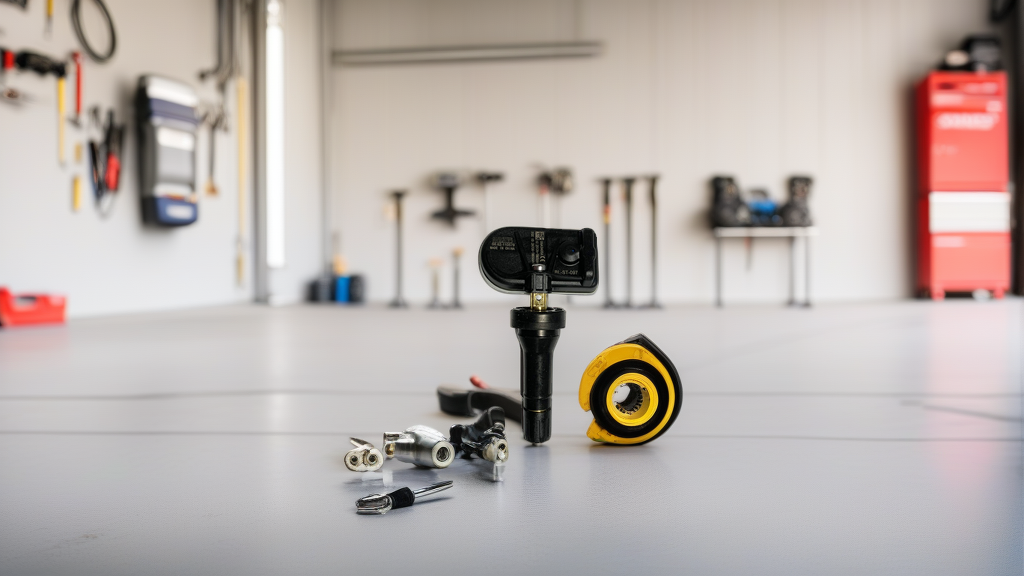
Understanding OPTIQ TPMS Sensor Requirements
The OPTIQ requires a tire pressure monitoring system (TPMS) that operates on a 433MHz frequency with a clamp-in valve stem design. This is standard across most GM-based platforms, which the OPTIQ shares with other vehicles from Buick, Cadillac, Chevrolet, and Nevo. The key OE numbers to cross-reference are 13530661, 13533166, 13538565, 13538566, 13538761, and 13549707.
If your OPTIQ is from a recent model year, the sensor is likely pre-programmed, meaning it ships ready to install without needing a separate programming tool. However, always confirm this with the supplier, as some aftermarket sensors require a cloning step to match the original sensor ID.
What to Check Before Ordering a Single Sensor
| Check Point | What to Look For |
|---|---|
| Frequency | Must be 433MHz. Some older vehicles use 315MHz; verify yours. |
| Valve Type | Clamp-in (metal stem) vs. snap-in (rubber stem). OPTIQ uses clamp-in. |
| OE Number | Match to 13530661, 13533166, 13538565, or the others listed above. |
| Pre-programmed? | Yes means plug-and-play; no means you need a TPMS tool. |
| Compatible Brands | Confirmed for Buick, Cadillac, Chevrolet, Nevo — but check your exact model. |
| Installation Kit | Includes new valve core, nut, cap, and seal. If not, buy separately. |
If you’re replacing a single faulty sensor, the easiest route is to buy a pre-programmed unit that matches one of the OE numbers above. For example, the BL-ST-097 | BH-Sens 433MHz TPMS Tire Pressure Sensor | Fits Buick, Cadillac, Chevrolet, Nevo | OE# 13530661, 13533166, 13538565 is a BH-Sens 433MHz clamp-in sensor that fits OPTIQ and covers all listed OE part numbers. It arrives pre-programmed, so you can install it yourself or have a shop do it without extra programming fees.
B2B Bulk Buying Notes for OPTIQ Sensors
When ordering in bulk for a fleet of OPTIQ vehicles or for resale, there are specific considerations that differ from single-unit purchases.
1. Consistency Across Batches
Not all aftermarket sensors are created equal. BH-Sens (Baolong Technology) is an OEM-grade manufacturer that supplies many original equipment lines. When buying bulk, stick to a single brand and supplier to avoid mix-ups in sensor IDs, programming protocols, or physical dimensions.
2. Cross-Reference Verification
In bulk orders, a single mis-match can lead to returns across dozens or hundreds of units. Always request a cross-reference sheet from your supplier that lists all OE numbers covered. For OPTIQ, the core list is:
- 13530661, 13533166, 13538565, 13538566, 13538761, 13549707
If a supplier offers a sensor that doesn’t explicitly list these numbers, ask for a compatibility test or a different SKU.
3. Pre-Programming and Cloning Options
Some B2B buyers prefer universal sensors that can be programmed on-site with a TPMS tool. Others want pre-programmed units to reduce labor. Decide based on your volume and the technical skill of your installers. For high-volume shops, pre-programmed sensors like the BH-Sens BL-ST-097 save time and reduce errors.
4. Warranty and Lot Tracking
In bulk, ensure each sensor has a traceable lot number. This helps if a bad batch surfaces later. Also, verify the warranty period — OEM-grade sensors typically carry a 2- to 3-year warranty from date of manufacture, not purchase.
5. Frequency and Region
433MHz is standard for North American vehicles, including OPTIQ. But if you’re exporting to other regions, confirm local frequency regulations. Some markets require 315MHz or 433MHz, and mixing them up will render the sensors unusable.
Installation Tips for OPTIQ Owners
- Torque the valve nut to the manufacturer’s specification (usually 4-6 Nm). Over-tightening can crack the sensor housing.
- Use a new sealing gasket each time you install a clamp-in sensor. Reusing the old one risks air leaks.
- After installation, drive the vehicle above 15 mph for a few minutes to trigger the TPMS re-learn process. Some OPTIQ models require a manual re-learn through the infotainment menu.
- If the sensor doesn’t register, check that the frequency matches and that the sensor is not in “sleep mode” from long storage. Most BH-Sens sensors ship active, but a quick wake-up with a TPMS tool can resolve this.
Recommended Part
For a direct fit, pre-programmed solution for your OPTIQ, use the BL-ST-097 | BH-Sens 433MHz TPMS Tire Pressure Sensor | Fits Buick, Cadillac, Chevrolet, Nevo | OE# 13530661, 13533166, 13538565. It covers all the common OE numbers and comes from a trusted OEM manufacturer.
FAQ
What if my OPTIQ uses a different TPMS frequency?
Check the label on your current sensor or consult your owner’s manual. If it’s 315MHz, a 433MHz sensor will not work. You’ll need a 315MHz variant. The BH-Sens brand also offers 315MHz sensors for older GM vehicles.
Can I install a used TPMS sensor on my OPTIQ?
It’s not recommended. Used sensors may have worn seals, dead batteries (most TPMS batteries last 5-7 years), or incorrect programming from the previous vehicle. Always buy new, pre-programmed sensors for reliable performance.
How do I know if the sensor is pre-programmed?
Check the product description or ask the supplier. Pre-programmed sensors will state “No programming required” or “Plug-and-play.” The BL-ST-097 is explicitly pre-programmed to match OE numbers 13530661, 13533166, and others, so it’s ready to install out of the box.
What’s the difference between clamp-in and snap-in sensors?
Clamp-in sensors use a metal valve stem secured with a nut from the outside of the wheel. Snap-in sensors have a rubber stem that pushes through the wheel hole. OPTIQ uses clamp-in sensors exclusively, so do not buy snap-in types for this vehicle.