
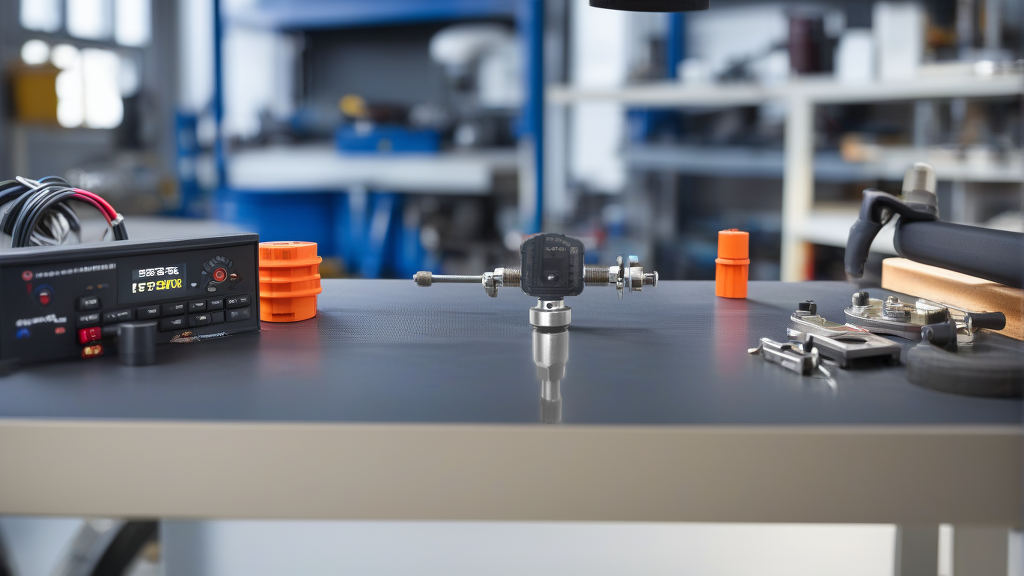
Why Winter Tire Swaps Demand TPMS Attention
Winter tire swaps are routine for IM owners in colder regions, but the TPMS side of the job is often overlooked until a warning light appears mid-January. Your IM’s TPMS relies on sensors inside each wheel—typically clamp-in units like the BH-Sens BL-ST-031—that transmit pressure and temperature data to the car’s ECU. A sloppy swap can damage these sensors, cause false alerts, or leave you driving on underinflated rubber.
The physics is simple: cold air contracts. For every 10°F drop in ambient temperature, tire pressure decreases by about 1 psi. If you mount winter tires at 32°F and then hit a -10°F morning, that’s roughly 4 psi lost before you start the engine. Your IM’s TPMS will trigger a low-pressure warning unless you account for this during inflation.
IM-Specific TPMS Fitment and Sensor Type
IM vehicles—including MG, Rising, and Roewe models—commonly use 433MHz TPMS sensors with clamp-in mounting. The BH-Sens BL-ST-031 (OE# 10290600, 10625492, 10718213) is a direct-fit pre-programmed unit that covers 59 dedicated OE fitments across these brands. No programming tool is required for most IM models: just install, drive a short distance, and the car’s ECU auto-learns the sensor IDs.
When swapping winter wheels, confirm that your winter set uses the same sensor frequency. Many aftermarket winter packages ship with universal 433MHz sensors, but some older sets may use 315MHz. A frequency mismatch means your IM won’t receive any TPMS data, and the dashboard light will stay on permanently.
Step-by-Step: Winter Tire Swap TPMS Checklist
1. Inspect Valve Stems and Sensor Bodies Before Mounting
Winter road salt and moisture accelerate corrosion on metal valve stems. Look for:
- Rust or pitting on the stem threads
- Cracks in the rubber gasket around the sensor housing
- Bent or damaged valve cores
If you see any of these, replace the sensor or valve stem assembly. The BL-ST-031 includes a new clamp-in valve stem, so if you’re installing a fresh set, you’re covered.
2. Torque the Sensor Correctly
Clamp-in sensors must be torqued to the manufacturer spec—typically between 35 and 45 in-lbs (4-5 Nm). Over-tightening cracks the sensor body; under-tightening allows air leaks. Use a torque wrench, not a “feel” method. If you’re not sure, check your IM’s workshop manual or use the spec printed on the sensor packaging.
3. Inflate Winter Tires 3-5 psi Above Summer Recommendation
Most IM models recommend 32-35 psi for summer tires. For winter use, aim for 36-40 psi cold. This compensates for temperature drop and ensures your TPMS doesn’t trigger false warnings on the first cold morning. Never exceed the tire’s maximum sidewall pressure.
4. Drive to Trigger Sensor Relearning
After installing winter wheels, start the IM and drive above 15 mph for 5-10 minutes. The TPMS control module will automatically detect the new sensor IDs. If the warning light stays on after a 15-minute drive, check that all sensors are transmitting (some aftermarket sensors require a manual relearn procedure using a TPMS tool).
Storage Tips for Off-Season TPMS Sensors
| Storage Factor | Recommended Practice | What to Avoid |
|---|---|---|
| Temperature | Cool, dry place (50-80°F) | Direct sunlight, freezing garages |
| Pressure | Inflate to 50% of max sidewall pressure | Flat storage (damages sidewall) |
| Humidity | Low humidity (<60% RH) | Basements with condensation |
| Orientation | Tires stacked flat or on rims upright | Hanging by valve stem only |
| Battery life | Remove sensor if storing >6 months | Leaving in extreme heat/cold cycles |
TPMS sensor batteries last 5-7 years typically. Winter storage in a hot attic or freezing uninsulated shed accelerates battery drain. For IM owners with a dedicated winter wheel set, consider storing the entire wheel assembly in a climate-controlled garage or indoor tire rack.
Common Winter TPMS Failures on IM Models
False Low-Pressure Alerts – The most frequent complaint. Your IM’s TPMS threshold is usually set to trigger at 25% below recommended pressure. If you inflate to 36 psi and it drops to 30 psi in a cold snap, that’s still above the threshold, but some IM models are sensitive. If the light comes on and the pressure is actually fine (check with a gauge), the sensor may have a weak battery or a cracked housing from over-torquing.
Sensor ID Not Recognized – This happens when mixing OE sensors from one set with aftermarket sensors on another. The BL-ST-031 is pre-programmed with OE IDs for IM, MG, Rising, and Roewe, so it avoids this issue. If you’re using generic universal sensors, you may need a TPMS tool to write the correct ID.
Valve Stem Leak at Low Temperatures – Rubber valve stems harden in extreme cold and can develop micro-cracks. Metal valve stems (common on clamp-in sensors) are more durable but require clean threads and a fresh sealing washer each installation. Replace the sealing washer annually.
Recommended Part
For IM owners needing a reliable winter swap sensor, the BL-ST-031 | BH-Sens 433MHz TPMS Tire Pressure Sensor | Fits Im, MG, Rising, Roewe | OE# 10290600, 10625492, 10718213 is a direct-fit, pre-programmed 433MHz unit that covers 59 OE fitments across IM, MG, Rising, and Roewe. No programming tool required—just install and drive. The clamp-in design with metal valve stem handles winter temperature swings better than rubber stem alternatives.
FAQ
Will my IM’s TPMS warning light turn off automatically after a winter tire swap?
Yes, if the new sensors are correctly installed and within factory frequency range (433MHz for most IM models), the warning light should turn off after driving above 15 mph for 5-10 minutes. If it stays on, check for a sensor that isn’t transmitting or a pressure that’s too low.
Can I use the same TPMS sensors on both my summer and winter wheels?
You can, but you’ll need to either swap the sensors between wheel sets each season or have two sets of sensors programmed to your IM. Most owners prefer dedicated sensors for each set to avoid annual dismounting and remounting, which risks damaging the sensor housing.
How do I know if a TPMS sensor battery is dead before winter?
A dead battery shows as a constant TPMS warning light that doesn’t go away after inflating tires to proper pressure. Some IM models display a specific “sensor fault” message on the dash. If the sensor is over 5 years old, consider replacing it proactively before winter to avoid a mid-season failure.
What pressure should I set my winter tires to on an IM?
Start with the pressure listed on your driver’s door sticker (typically 32-35 psi for most IM models), then add 3-5 psi for winter compensation. Check pressure monthly during winter, as cold-weather pressure loss continues with each temperature drop.