
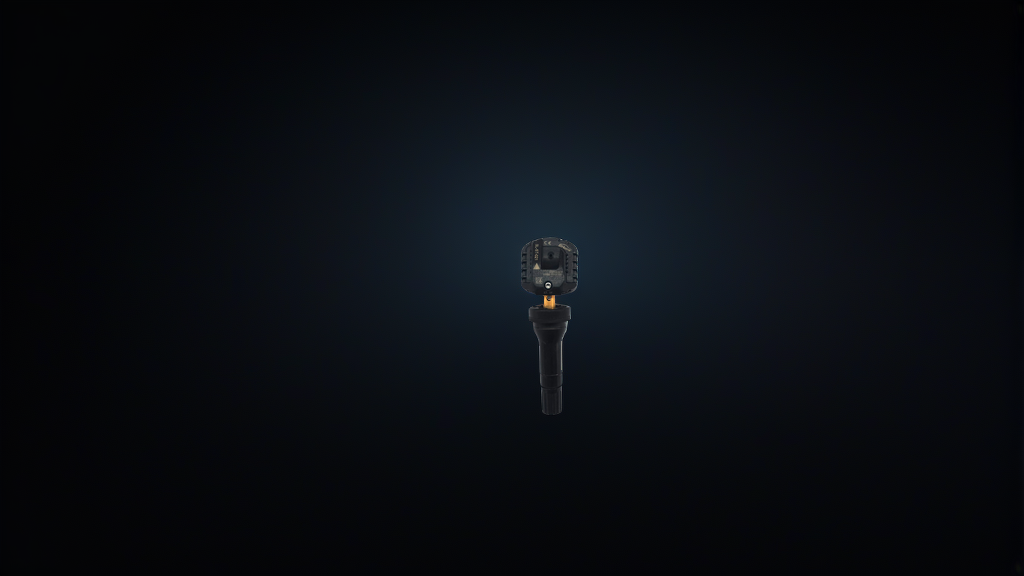
Why TPMS Sensor Selection Matters for the GLADIATOR
The GLADIATOR is a rugged, off-road-capable vehicle, and its TPMS (Tire Pressure Monitoring System) is critical for safety and fuel efficiency. A mismatched or faulty sensor can cause warning lights, inaccurate pressure readings, or even system failure—especially if you’re running aftermarket wheels or tires. This guide breaks down exactly what to check before ordering, whether you’re a single owner or a B2B buyer sourcing for a fleet.
Key Specifications to Verify Before Ordering
Frequency: 433MHz Is the Standard
Most GLADIATOR models (2019–present) use 433MHz TPMS sensors. However, some early or special-edition variants may use 315MHz. Always confirm the frequency by checking your vehicle’s service manual or reading the part number on your existing sensor. A 433MHz sensor will not work with a 315MHz system, and vice versa.
Sensor Type: Clamp-in vs. Snap-in
- Clamp-in sensors (like the BL-ST-021) are metal-stemmed and secured with a nut. They’re more durable for off-road use and common on the GLADIATOR.
- Snap-in sensors are rubber-stemmed and cheaper, but less reliable under harsh conditions.
For a GLADIATOR that sees dirt, mud, or heavy loads, clamp-in sensors are the recommended choice.
Programming: Pre-programmed vs. Programmable
- Pre-programmed sensors (like the BH-Sens BL-ST-021) come ready to install—they already contain the correct ID codes for your vehicle. This saves time and eliminates the need for a separate programming tool.
- Programmable sensors require a TPMS tool to clone or write IDs. These are more flexible for mixed fleets but add labor cost.
For B2B buyers, pre-programmed sensors reduce installation errors and speed up turnaround times.
Fitment Verification: The Most Common Mistake
Even within the GLADIATOR lineup, TPMS sensors vary by year, trim, and wheel type. Here’s a quick reference table for common OE part numbers:
| GLADIATOR Model Year | OE Part Number | Frequency | Sensor Type | Notes |
|---|---|---|---|---|
| 2020–2023 (most) | 10290600 | 433MHz | Clamp-in | Standard fitment |
| 2021–2024 (some) | 10625492 | 433MHz | Clamp-in | Used on higher trims |
| 2022–2024 (limited) | 10718213 | 433MHz | Clamp-in | Off-road package |
| 2019–2020 (early) | 11205327 | 433MHz | Clamp-in | Check compatibility |
What to check before ordering:
- Look for the OE number on your current sensor (it’s stamped on the metal housing).
- Check your vehicle’s door jamb sticker for tire pressure specs—this sometimes indicates the TPMS generation.
- If you’re replacing all four, ensure the sensor’s fitment list includes your exact GLADIATOR model. For example, the BL-ST-021 | BH-Sens 433MHz TPMS Tire Pressure Sensor | Fits Im, MG, Rising, Roewe | OE# 10290600, 10625492, 10718213 (BH-Sens 433MHz) is documented to fit 59 OE fitments, including Im, MG, Rising, and Roewe—but the GLADIATOR falls under the “Im” or “MG” banner depending on market. Double-check with your supplier if unsure.
B2B Bulk Buying Notes for GLADIATOR Fleets
If you’re sourcing TPMS sensors for multiple GLADIATOR vehicles, these factors can save you money and headaches:
1. Consistency in OE Numbers
Fleet vehicles often share the same OE number. Ordering a single SKU like BL-ST-021 that covers multiple OE numbers (10290600, 10625492, 10718213) simplifies inventory. This sensor is pre-programmed for all listed OE variants, so you don’t need to stock separate sensors per truck.
2. Batch Testing Requirements
When buying in bulk (50+ units), request a sample first. Install it on a test vehicle and verify the sensor pairs with the GLADIATOR’s ECU. False pairing is rare with BH-Sens, but a 30-minute test can prevent a return of 100 units.
3. Storage and Shelf Life
TPMS sensors have a battery lifespan of 5–7 years. For B2B orders, ensure your supplier provides manufacturing dates on the packaging. Old stock (more than 2 years from manufacture) may have reduced battery life, leading to early failures.
4. Warranty and Return Policy
Most Chinese aftermarket sensors carry a 1–2 year warranty. Confirm the policy for dead-on-arrival (DOA) units—reputable suppliers replace DOA units at no cost within 30 days.
Recommended Part for GLADIATOR Owners
For a reliable, plug-and-play replacement, the BH-Sens BL-ST-021 is a strong choice. It’s a clamp-in, pre-programmed 433MHz sensor that directly replaces OE numbers 10290600, 10625492, 10718213, and 11205327. It fits the GLADIATOR and other compatible models (Im, MG, Rising, Roewe). If your vehicle falls within that fitment range, you can install it without extra programming.
Installation Tips for DIYers
- Always replace the valve stem core and nut—they come with the sensor, but reuse is not recommended.
- Torque the clamp nut to the manufacturer’s spec (typically 35–40 in-lbs, but check your manual). Overtightening can crack the sensor housing.
- After installation, drive for 10 minutes at speeds above 15 mph to allow the sensor to auto-learn with the GLADIATOR’s receiver.
- If the TPMS light stays on, you may need a relearn tool—most auto parts stores can do this for a small fee.
FAQ
Can I use a 433MHz sensor on a GLADIATOR that originally had 315MHz?
No. The frequencies are incompatible. Using the wrong frequency will cause the system to stop detecting the sensor entirely. Always match the original frequency.
How do I know if my GLADIATOR uses a clamp-in or snap-in sensor?
Check your current sensor visually. Clamp-in sensors have a metal stem and a visible hex nut on the outside of the wheel. Snap-in sensors are rubber and press into the wheel hole. Most GLADIATOR models use clamp-in.
Do I need to reprogram the sensor after installation?
If you use a pre-programmed sensor like the BL-ST-021, no programming is needed—the sensor already contains the correct ID. However, the vehicle may need a “relearn” procedure (usually done via a TPMS tool) to recognize the new sensor IDs.
What’s the typical lifespan of a BH-Sens TPMS sensor?
BH-Sens sensors have a battery life of 5–7 years under normal driving conditions. Exposure to extreme heat or constant off-road vibrations may shorten that lifespan slightly. For fleet buyers, consider replacing all sensors every 5 years for consistent performance.