
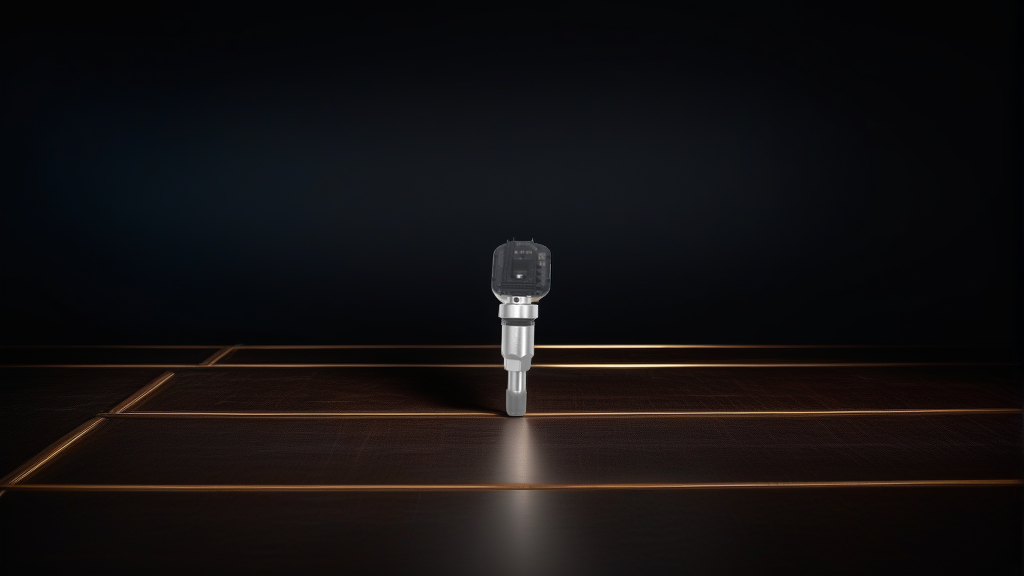
Understanding 炫界 TPMS System
The 炫界, a compact SUV from Chery’s Cowin brand, uses a direct TPMS system with 433MHz sensors mounted inside each tire valve stem. When you replace a sensor or rotate tires, the vehicle’s ECU must “relearn” each sensor’s unique ID to its wheel position (LF, RF, RR, LR). Without a relearn, the TPMS warning light stays on and you lose pressure readings.
The OE sensor part numbers for 炫界 include 11652AWARDKS and 802000012AA. The BH-Sens BL-ST-074 is a pre-programmed clone that matches these exactly—no additional programming needed before installation.
Tools You’ll Need
| Tool | Required For | Notes |
|---|---|---|
| TPMS trigger tool (e.g., Autel TS508, Bartec TPMS Tool) | Stationary relearn or OBD relearn | Can also read sensor IDs before install |
| OBD2 TPMS tool (e.g., Autel MaxiTPMS, Launch X431) | OBD relearn | Writes sensor IDs directly to ECU |
| Magnet (high-strength) | Stationary relearn (some 炫界 models) | Not all 炫界 trims support magnet trigger |
| Vehicle owner’s manual | Torque specs, sensor location | Recommended torque: 35-40 Nm for clamp-in sensors |
| Tire pressure gauge | Verify pressures after relearn | Set all tires to placard pressure |
Three Relearn Methods for 炫界
1. Auto Relearn (Driving Method)
This is the simplest method—no tools required. It works on most 炫界 models after sensor replacement.
Steps:
- Install the new BL-ST-074 sensors on all four wheels. Torque to manufacturer spec (typically 35-40 Nm).
- Set all tires to the recommended pressure (check driver door placard).
- Start the engine and drive the vehicle above 25 mph (40 km/h) continuously.
- Maintain steady driving for 10–15 minutes. The system learns sensor IDs automatically as the wheels rotate.
- The TPMS light should turn off after a few minutes of driving. If it stays on, switch to the OBD method.
Tip: Auto relearn works best on straight, level roads without sharp turns. Avoid stopping for more than 30 seconds during the process.
2. OBD Relearn (Fastest for Shops)
Use a diagnostic TPMS tool that supports OBD relearn for Chery/Cowin vehicles. This method writes sensor IDs directly to the ECU—no driving required.
Steps:
- Install the BL-ST-074 sensors and inflate tires to correct pressure.
- Connect your OBD TPMS tool to the vehicle’s diagnostic port (located under the dashboard, driver side).
- Select “Relearn” or “Program” → Choose “Chery” → “炫界” (or “Cowin”).
- Follow the tool’s on-screen prompts. Typically, the tool will ask you to trigger each sensor (LF, RF, RR, LR) with a low-frequency activator or by deflating/re-inflating the tire.
- Once the tool confirms all four IDs are registered, the TPMS light goes out immediately.
Why OBD is preferred: It takes under 5 minutes, and the tool confirms each ID matches the ECU. This is the standard method at tire shops and dealerships.
3. Stationary Relearn (Magnet or LF Trigger)
Some 炫界 trims allow stationary relearn using a magnet or a TPMS trigger tool without OBD connection. This method is useful if you don’t have an OBD tool.
Steps (magnet method):
- Install sensors and set tire pressures.
- Turn ignition ON (engine off).
- Hold a strong magnet against the valve stem of the LF tire for 5–10 seconds until the horn beeps once.
- Repeat for RF, RR, LR in that order. Each sensor should trigger a beep.
- After the fourth sensor, the horn beeps twice to confirm relearn complete.
- Start the engine—the TPMS light should be off.
Steps (LF trigger tool method, e.g., Autel):
- Same as above, but use a TPMS trigger tool held near each sensor’s valve stem instead of a magnet.
- Follow the tool’s prompt to activate each sensor in sequence.
Important: The magnet method may not work on all 炫界 model years. Check your owner’s manual or test with a TPMS tool first.
Which Method Should You Use?
- DIY owner: Start with auto relearn. It’s free and works 80% of the time. If the light stays on after 20 minutes of driving, try stationary relearn with a TPMS trigger tool (or visit a shop for OBD relearn).
- Shop/mechanic: Use OBD relearn for speed and reliability. The BL-ST-074 sensor is pre-programmed, so you skip the programming step entirely.
Recommended Part
If you’re replacing a faulty sensor on your 炫界, use the BL-ST-074 | BH-Sens 433MHz TPMS Tire Pressure Sensor | Fits Chery, Chery Ev, Cowin | OE# 11652AWARDKS, 802000012AA BH-Sens BL-ST-074 (433MHz). It’s a direct OE replacement for 11652AWARDKS and 802000012AA, pre-programmed and clamp-in style. No additional programming needed before installation—just mount, torque, and relearn.
FAQ
How do I know if my 炫界 needs a TPMS relearn?
If the TPMS warning light blinks for 60–90 seconds after starting the engine, then stays solid, the system has lost sensor IDs. This happens after replacing a sensor, rotating tires, or replacing the ECU. A relearn is required.
Can I use any 433MHz TPMS sensor on the 炫界?
No. The 炫界 uses specific sensor IDs and communication protocol. Only OE-grade clones like BL-ST-074 (matching 11652AWARDKS) or genuine Chery sensors work. Generic universal sensors require programming before installation—BL-ST-074 comes pre-programmed.
How long does the auto relearn take?
Typically 10–15 minutes of driving above 25 mph. If the light doesn’t turn off after 30 minutes, try the OBD or stationary method. Factors like low battery voltage or sensor interference can delay the process.
What torque should I use for the sensor nut?
Use 35–40 Nm (26–30 ft-lbs) for clamp-in sensors like BL-ST-074. Over-torquing damages the sensor body; under-torquing causes air leaks. Always check your vehicle’s manual or the sensor package for exact spec.