
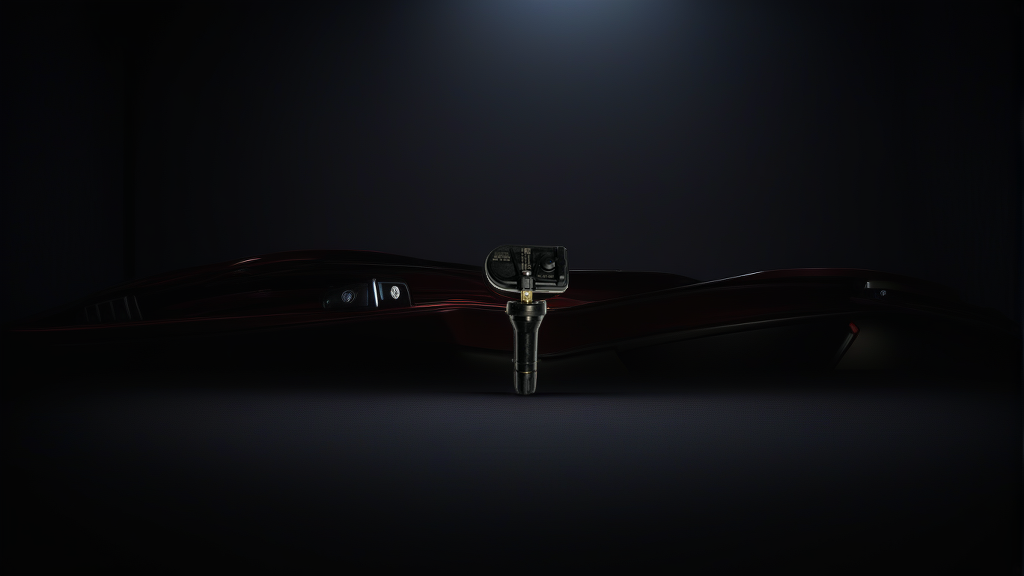
Why Winter Tire Swaps Demand TPMS Attention
Every November, service bays fill with Buick Enclaves, LaCrosses, and Encores getting their winter boots mounted. The TPMS system—mandatory since 2007—is often the most overlooked component during this routine job. A simple tire swap can turn into a dashboard full of warning lights if you don’t understand how temperature and seasonal storage affect these sensors.
For Buick owners, the challenge is consistent: your sensor batteries are already 5-7 years old on average, and winter temperature swings will accelerate battery drain. The BH-Sens 433MHz sensor (SKU: BL-ST-097) is a common replacement for these vehicles, but even new sensors need proper handling.
Pressure Changes with Temperature: The Physics You Can’t Ignore
The 1 PSI per 10°F Rule
When the thermometer drops from 70°F to 20°F, your Buick’s tire pressure drops by roughly 5 PSI. This isn’t a leak—it’s basic gas law physics. If you set your cold tire pressure to 35 PSI in a heated garage (65°F) and drive outside into 20°F air, your TPMS will likely trigger a low-pressure warning within minutes.
What to do: Always inflate winter tires in the actual ambient temperature where the vehicle will sit overnight. Don’t inflate in a warm garage and expect those numbers to hold. Check pressure when tires are “cold” (vehicle unused for 3+ hours).
When the Warning Light Becomes a False Alarm
A sudden cold snap—say from 40°F to 0°F overnight—will cause pressure drops that trigger the TPMS light on your Buick’s dash. If you’ve checked pressures and they’re within 3-4 PSI of the door sticker spec, you can safely drive. The light will often reset once the tires warm up from driving friction.
Exception: If the temperature stays below -15°F for extended periods, the lithium battery inside the sensor itself will lose voltage temporarily. This can cause intermittent “No Sensor” messages that self-correct when the car warms up.
Storage Tips for Summer Tires (with Sensors)
The Three Enemies: Heat, Direct Sun, and Pressure
When you store your Buick’s summer tires with sensors still mounted:
- Release pressure to 15-20 PSI—full pressure (35+ PSI) stresses the sensor seal and tire sidewall over months.
- Keep them in a garage or basement—avoid attics where summer temps exceed 120°F. High heat accelerates battery chemical degradation.
- Stack them horizontally (if possible) or stand them vertically with the valve stem at the 12 o’clock position to prevent moisture from pooling inside the sensor housing.
Should You Remove Sensors for Storage?
Unless you’re storing tires for 12+ months, leave the sensors mounted. Each removal increases the risk of damaging the rubber grommet or the aluminum valve stem. The BH-Sens clamp-in sensors used on many Buick models have a robust design, but the sealing washer should be replaced if you do remove them.
The Tire Swap Procedure: Buick-Specific Notes
Torque Matters More Than You Think
The most common TPMS failure after a winter swap is a cracked sensor housing from overtightening the valve stem nut. For Buick models using clamp-in sensors (most 2007-2024 vehicles):
| Component | Recommended Torque | Notes |
|---|---|---|
| Valve stem nut | 35-45 in-lbs (check your manual) | Use a beam-style torque wrench; do not guess |
| Wheel lug nuts | 100-120 ft-lbs (varies by model) | Always tighten in a star pattern |
| Sensor-to-rim mounting | No user serviceable torque | Pre-set at factory |
Programming: Pre-Programmed vs. Dealer Tools
The BL-ST-097 | BH-Sens 433MHz TPMS Tire Pressure Sensor | Fits Buick, Cadillac, Chevrolet, Nevo | OE# 13530661, 13533166, 13538565 is pre-programmed, meaning it comes ready to transmit the correct signals for your Buick. This saves you a trip to the dealer—most independent shops can clone the sensor ID from your old sensor into the new one using a $200 TPMS tool. For DIY owners on Buick models from 2012 onward, you can often trigger a relearn procedure by driving at 15-25 mph for 10 minutes after installation.
When to Replace vs. Reuse
Buick TPMS sensors typically have a battery life of 5-7 years. If your summer tires are 6+ years old and you’re swapping to winter wheels, consider replacing all four sensors proactively. A dead sensor mid-winter means:
- Flashing TPMS light (distracting at night)
- No low-pressure warning (safety risk)
- $25-35 per sensor for the BH-Sens replacement vs. $80-120 at a dealer
Age test: If the sensor’s transmission frequency drops below 430MHz on a scan tool, replace it. The BH-Sens 433MHz sensor (OE# 13530661/13533166/13538565) maintains frequency stability better than some generic aftermarket options.
Recommended Part
For Buick owners needing a reliable 433MHz TPMS sensor during winter swaps, the BL-ST-097 | BH-Sens 433MHz TPMS Tire Pressure Sensor | Fits Buick, Cadillac, Chevrolet, Nevo | OE# 13530661, 13533166, 13538565 offers direct-fit compatibility with models like the Enclave, LaCrosse, Regal, and Encore. Its pre-programmed design eliminates the need for cloning tools in most cases, and the clamp-in mount handles seasonal temperature swings without seal failures.
FAQ
Can I use winter tires without TPMS sensors?
Legally, yes—the federal mandate applies to vehicle manufacturers, not owners. But your Buick’s dashboard warning light will remain on, and you lose critical low-pressure warnings that are especially dangerous on icy roads. Most shops won’t install tires without sensors for liability reasons.
How do I reset the TPMS light on my Buick after a winter swap?
For 2012-2024 Buick models, inflate all tires to the door-sticker pressure, then drive above 15 mph for 10-15 minutes. The system will auto-relearn. For older models (2007-2011), you may need a TPMS tool to trigger the left-front sensor first, then proceed around the vehicle in a specific order—check your owner’s manual.
Will the BH-Sens 433MHz sensor work on my 2018 Buick Envision?
Yes, the BL-ST-097 covers Buick models from approximately 2007-2024 that use the 433MHz frequency. The OE numbers crossed (13530661, 13533166, 13538565) include the Envision platform. Always verify your current sensor’s frequency before purchase—most Buicks use 433MHz, but some early models used 315MHz.
Should I store my winter tires with sensors inflated or deflated?
Deflate to 15-20 PSI. Full inflation stresses the sensor’s rubber seal and battery casing over months of storage. Do not go below 10 PSI—this can cause the sensor’s internal battery to disconnect from the circuit board on some designs.