
Understanding TPMS Sensor Compatibility for Rising Vehicles
When you need a replacement TPMS sensor for a Rising vehicle, the first rule is to avoid guessing. Rising models—especially those shared with Roewe, MG, and IM platforms—use a standardized 433MHz frequency system, but the physical sensor design and programming logic can vary between model years.
The most common OE numbers you will encounter for Rising vehicles include 10290600, 10625492, and 10718213. These numbers are stamped on the original sensor body. If your old sensor is still readable, match that number exactly. If the label is worn or missing, check the vehicle’s service manual or contact a dealer with your VIN.
What to Check Before Ordering a TPMS Sensor
Before adding any sensor to your cart, verify these four points:
1. Frequency
Rising vehicles use 433MHz sensors. Do not buy a 315MHz sensor—they will not communicate with your vehicle’s receiver. All BH-Sens sensors for this application are 433MHz by design.
2. Sensor Type: Clamp-In vs. Snap-In
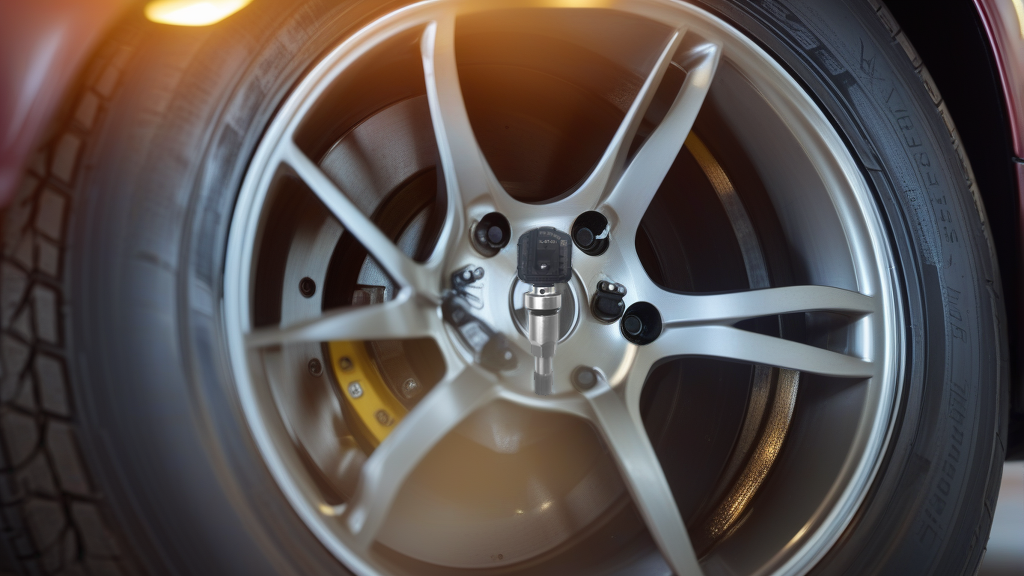
The BL-ST-031 sensor is a clamp-in type. This means the sensor is secured to the valve stem with a metal nut. Clamp-in sensors are more durable and less prone to damage during tire mounting compared to snap-in sensors, which are pushed into the valve hole and can leak over time. If your Rising model originally used a clamp-in sensor, stick with that design.
3. Pre-Programmed vs. Programmable
Pre-programmed sensors (like the BH-Sens BL-ST-031) come with a factory-set ID that can be learned by most TPMS diagnostic tools. This saves time because you don’t need a separate programmer to write the ID. However, you still need a TPMS tool to “register” or “relearn” the sensor to the vehicle after installation. For B2B buyers, pre-programmed sensors simplify inventory—they work across multiple Rising and Roewe models without needing to stock separate programmable units.
4. Valve Stem Material and Length
Clamp-in sensors use a metal valve stem. Ensure the stem length matches your wheel type. Most Rising models use a standard 45-degree or straight metal stem. If you have aftermarket wheels, check clearance between the valve stem and the brake caliper or wheel barrel.
Fitment Overview for Rising and Related Models
Below is a reference table for common Rising and platform-shared models compatible with OE numbers 10290600, 10625492, and 10718213. Always double-check with your VIN before ordering.
| Vehicle Brand | Model Examples | Sensor Type | Frequency | OE Numbers Covered |
|---|---|---|---|---|
| Rising | ER6, Marvel R, R-Aura | Clamp-in | 433MHz | 10290600, 10625492, 10718213 |
| Roewe | i5, i6, RX5, RX5 Max | Clamp-in | 433MHz | 10290600, 10625492, 10718213 |
| MG | 5, HS, ZS, EZS | Clamp-in | 433MHz | 10290600, 10625492, 10718213 |
| IM | L7, LS7 | Clamp-in | 433MHz | 10290600, 10625492, 10718213 |
Note: Some earlier models may use a snap-in sensor with different OE numbers. Cross-check your current sensor shape before purchasing.
B2B Bulk Buying Notes for TPMS Sensors
If you are sourcing TPMS sensors for a workshop or retail inventory, pay attention to the following:
Batch Consistency
When ordering 50 or more sensors, ask the supplier if they can provide a single production batch. Sensors from different batches may have slight ID range gaps that could cause relearn issues on some TPMS tools. BH-Sens (Baolong Technology) is known for consistent batch coding, but it is worth confirming.
Packaging and Labeling
Bulk orders often come in plain boxes or trays. Verify that each sensor has an individual sticker with the OE number and frequency. This speeds up picking and reduces returns. For the BL-ST-031, the OE numbers are clearly printed on the sensor body and packaging.
Sample Testing
Always request one sample unit before placing a large order. Install it on a Rising vehicle, run the TPMS relearn procedure, and confirm the sensor ID is recognized. This small step can save you from a full batch return if there is a compatibility issue with a specific model year.
Warranty and Return Policy
Aftermarket TPMS sensors generally carry a 1-2 year warranty. Confirm the supplier’s return policy for DOA (dead on arrival) units. For B2B orders, a 3% allowance for DOA units is typical—anything beyond that should trigger a replacement request.
Recommended Part for Rising Vehicles
For Rising, Roewe, MG, and IM models requiring a 433MHz clamp-in TPMS sensor, the BL-ST-031 | BH-Sens 433MHz TPMS Tire Pressure Sensor | Fits Im, MG, Rising, Roewe | OE# 10290600, 10625492, 10718213 is a direct-fit replacement. It covers OE numbers 10290600, 10625492, and 10718213, and is pre-programmed for immediate installation with a standard TPMS relearn tool.
FAQ
What is the difference between a pre-programmed and a programmable TPMS sensor?
A pre-programmed sensor has a fixed ID number already stored in its memory. You install it and then teach the car to recognize that ID using a TPMS tool. A programmable sensor is blank—you must write a specific ID (copied from the original sensor) before installation. Pre-programmed sensors are easier for DIY users; programmable sensors are preferred if you need to match an existing ID exactly.
Can I install a TPMS sensor myself without special tools?
You can physically install the sensor (mount the tire and torque the valve nut to the correct specification), but you will still need a TPMS diagnostic tool to complete the relearn process. Without it, the vehicle will not recognize the new sensor, and the TPMS warning light will stay on.
How do I know if my Rising vehicle uses a 433MHz or 315MHz sensor?
Check the label on your current sensor. If it is not visible, use a TPMS scan tool that reads sensor frequency. Most Rising models from 2015 onward use 433MHz. If your vehicle is older than 2010, confirm with a dealer or online VIN lookup.
Why does the sensor type (clamp-in vs. snap-in) matter?
Clamp-in sensors use a metal nut and are more resistant to centrifugal force at high speeds. They also seal better over time. Snap-in sensors rely on a rubber grommet that can dry out and leak after 3–5 years. If your vehicle originally came with clamp-in sensors, always replace with the same type to avoid fitment issues with the wheel valve hole diameter.