
Understanding the TPMS System on the GLE Class
The Mercedes-Benz GLE Class (W166, C292, and later V167 platforms) uses direct TPMS, meaning each wheel has a sensor that measures actual tire pressure and temperature. These sensors transmit data via radio frequency (typically 433MHz) to a receiver module in the vehicle. When the system detects a problem, it triggers the amber TPMS warning light on the dashboard.
Unlike indirect systems that rely on wheel speed sensors, direct TPMS gives you accurate pressure readings—but it also means you’ll deal with battery failures and signal issues as the vehicle ages.
Three Common Causes of the TPMS Warning Light
1. Dead Sensor Battery (Most Common)
Every TPMS sensor contains a non-replaceable lithium battery rated for 5–10 years. On a GLE Class, if your vehicle is 2015 or older, you’re likely hitting that window. Symptoms include:
- TPMS light stays solid after driving for 10+ minutes
- Dashboard shows no pressure readings for one or more tires (dashes “–” instead of PSI)
- Light may come on immediately at startup and never reset
- The warning may appear on the same wheel(s) consistently
When a sensor battery dies, the unit stops transmitting entirely. The vehicle’s receiver sees no signal and flags that wheel as faulty. This is a one-way failure—the sensor must be replaced.
2. Signal Interference (Less Common, Harder to Spot)
The GLE Class TPMS operates on 433MHz, a frequency shared by many aftermarket devices. Interference can be caused by:
- Aftermarket LED headlights or fog lights with poorly shielded drivers
- Dashcams (especially hardwired units with power supplies that emit RF noise)
- USB chargers plugged into the 12V port
- Wireless phone chargers installed in the center console
- Nearby radio towers or high-power transmitters (rare, but possible)
Interference symptoms differ from dead batteries: the TPMS light may flash briefly or turn on intermittently, pressure readings may appear and disappear, and the issue may only occur when specific electronics are active (e.g., dashcam recording or headlights on).
3. Damaged or Corroded Sensor
Physical damage from tire changes, road debris, or corrosion at the valve stem can also trigger the light. This is less common on the GLE Class but worth checking if you’ve recently had tires mounted or rotated.
Diagnosing the Root Cause
Here’s a practical step-by-step you can follow:
- Check tire pressures manually with a gauge. If all tires are within spec (usually 32–38 PSI cold), the issue is electrical, not a leak.
- Drive the vehicle for 10–15 minutes at highway speed. If the light stays solid and pressure readings remain “–”, it’s likely a dead battery.
- Turn off all aftermarket electronics (dashcam, phone charger, LED lights). Drive again. If the light goes out, you’ve found interference.
- Use a TPMS scan tool (most tire shops have one) to read sensor IDs and battery status. A tool will tell you exactly which sensor is dead or weak.
When to Replace vs. When to Troubleshoot
| Symptom | Likely Cause | Action |
|---|---|---|
| Solid light, no pressure readings on one wheel | Dead sensor battery | Replace sensor |
| Solid light, no readings on all wheels | Receiver issue or all sensors dead | Diagnose receiver; replace sensors if >8 years old |
| Intermittent light, readings come and go | Signal interference | Identify and remove offending device |
| Light after tire rotation or new tires | Sensor damaged during service | Inspect and replace if cracked |
| Light flashes then stays solid | System fault (often sensor failure) | Scan with TPMS tool |
Recommended Replacement Part
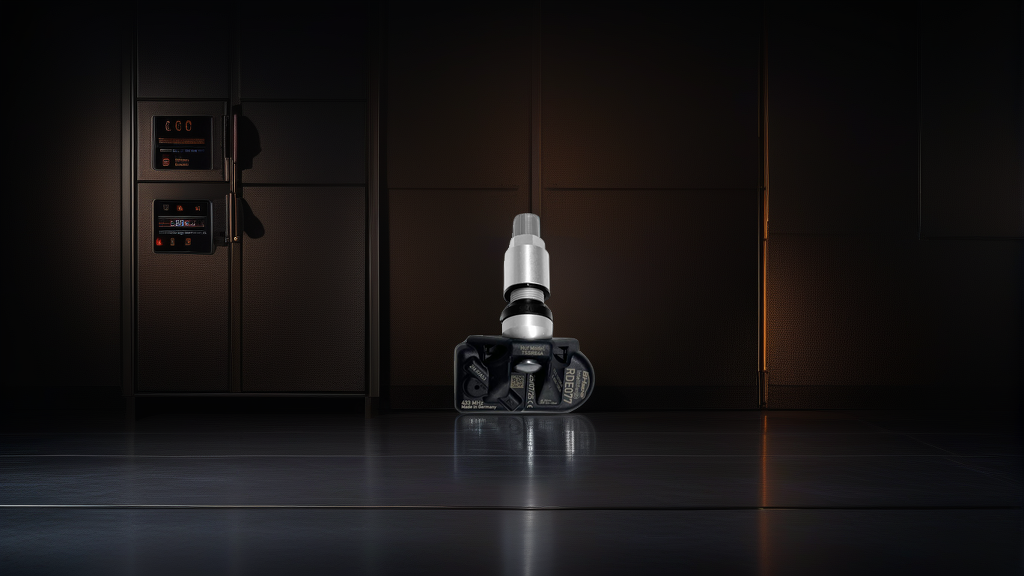
When replacement is needed, a direct-fit 433MHz sensor like the RDE077V21 | BH-Sens 433MHz TPMS Tire Pressure Sensor | Fits Aston Martin, BMW, Maybach, Mercedes-Benz, Mini & 2 More | OE# 36106872774, 42607WAA02, 5A3DC0401 works on the GLE Class and many other Mercedes-Benz models. It matches OE specifications for frequency, programming, and valve stem design (clamp-in, pre-programmed). Always verify fitment with your vehicle’s year and model—this sensor is compatible with most GLE Class from 2012 onward, but double-check the OE numbers listed.
Preventing Future TPMS Issues
- Replace all four sensors when one fails if your vehicle is over 7 years old. Batteries age together, and you’ll save on labor.
- Avoid cheap aftermarket electronics near the center console or under the hood—they’re the main source of interference.
- Use a tire shop that handles TPMS carefully (many break sensors during dismounting).
- Keep a spare sensor on hand if you do frequent tire changes or own a fleet of GLE Class vehicles.
FAQ
How do I know if my GLE Class TPMS sensor has a dead battery vs. interference?
If the warning light comes on immediately at startup and stays solid with no pressure readings on that wheel, it’s almost certainly a dead battery. If the light flickers or only appears when you turn on certain electronics (like your dashcam or headlights), it’s likely interference. A TPMS scan tool will confirm battery voltage.
Can I replace just one TPMS sensor on my GLE Class?
Yes, but it’s not recommended if the other sensors are over 7 years old. Replacing all four at once ensures balanced battery life and prevents repeat visits to the shop. Mixing old and new sensors can cause false warnings as the older batteries fail soon after.
Will a dead TPMS sensor battery affect my car’s performance or safety?
No—the TPMS warning is just a notification. You can still drive the vehicle, but you lose real-time pressure monitoring. If a tire actually goes flat, you won’t get a warning from that sensor. Check pressures manually until you replace it.
Does signal interference from aftermarket parts damage the TPMS receiver?
No, interference only disrupts communication temporarily. It won’t damage the receiver module. However, if the interference is constant (e.g., a hardwired dashcam transmitting noise), you may get repeated false warnings until you remove or shield the offending device.