
Why Sensor Selection Matters for the MINI JCW CLUBMAN
The MINI JCW CLUBMAN is a performance-oriented hatchback that demands precision. Its tire pressure monitoring system (TPMS) is tied directly to the vehicle’s dynamic stability control (DSC) and engine management. A mismatched or faulty sensor can cause warning lights, incorrect pressure readings, or even disable safety systems. Unlike generic sedan replacements, the JCW Clubman requires sensors calibrated to BMW Group’s specific OE protocols.
Most MINI JCW Clubman models from 2014 onward use 433MHz sensors. However, some early models (2010–2013) may use 315MHz. Always confirm your vehicle’s frequency before ordering—it’s the most common mistake buyers make.
What to Check Before Ordering: A Step-by-Step Checklist
1. Confirm the Frequency
- 433MHz – Most MINI JCW Clubman (2014–present), also BMW 2 Series, 3 Series, X1, X3.
- 315MHz – Some early MINI models (2007–2013) and non-JCW variants.
- How to check: Look at the original sensor’s label, or use a TPMS scan tool. If you can’t access the sensor, check your owner’s manual or call a dealer with your VIN.
2. Verify OE Part Numbers
The BH-Sens RDE027V21 cross-references to these critical OE numbers:
- 36106856209
- 36106881890
- 6855539
- 70735510
If your JCW Clubman uses any of these, the RDE027V21 is a direct swap. Write down the OE number from your old sensor before removing it—some aftermarket sensors use different numbers, but the RDE027V21 covers the most common ones.
3. Pre-Programmed vs. Programmable
- Pre-programmed (like RDE027V21): Ready to install. No cloning or programming tool needed. The sensor already carries the correct ID and protocol for your vehicle. This is ideal for B2C buyers who don’t own a TPMS tool.
- Programmable: Requires a programming device to copy the original sensor’s ID. Useful for shops stocking multiple vehicles but adds a step for DIYers.
4. Clamp-in vs. Snap-in
The JCW Clubman uses clamp-in sensors (metal valve stem, secured with a nut). Never use snap-in sensors on this vehicle—they are designed for different rim profiles and can leak or fail under high-performance driving.
5. Check Your Vehicle’s Year and Trim
While the RDE027V21 fits many MINI JCW Clubman models, there are exceptions:
- 2010–2013 Clubman: May use 315MHz. Verify.
- 2014–2019 Clubman (F54 chassis): 433MHz, direct fit.
- 2020+ Clubman: Still 433MHz, but some sensors require a specific firmware version. If your car is 2020 or newer, confirm with the supplier that the sensor supports the latest TPMS protocol.
B2B Bulk Buying Notes: What to Watch For
If you’re purchasing multiple BH-Sens RDE027V21 sensors for your shop or fleet, here’s what matters:
Batch Consistency
BMW Group’s TPMS system is sensitive to variations in sensor response time and signal strength. When buying bulk, request sensors from the same production batch. This ensures identical behavior during the learning process (when the car “learns” each sensor’s position). Mismatched batches can lead to one sensor failing to sync.
OE Number Verification
Not all “OE replacement” sensors are created equal. The RDE027V21 is manufactured by BH-Sens (Baolong Technology), one of the original suppliers for BMW/MINI TPMS. Always ask for a certificate of authenticity or original packaging. Avoid unbranded “compatible” sensors—they often use generic chips that drop signal in cold weather.
Stocking Strategy
For a B2B operation, stock both 433MHz and 315MHz variants if you service a wide range of MINI/BMW vehicles. But for JCW Clubman alone, 433MHz is your safe bet. Consider also stocking the matching repair kits (valve cores, nuts, seals) to upsell with each sensor purchase.
Warranty and Return Policy
Bulk orders should come with at least a 1-year manufacturer defect warranty. BH-Sens typically offers 18–24 months. Confirm this in writing. If you sell to customers, you’ll need to handle returns—so check if the supplier accepts bulk returns for defective units (most do, but only within 30 days).
Fitment Table: BH-Sens RDE027V21 Compatibility
| Vehicle Brand | Model | Years | Frequency | OE Part Numbers |
|---|---|---|---|---|
| MINI | JCW Clubman (F54) | 2014–2023 | 433MHz | 36106856209, 36106881890 |
| MINI | Cooper Clubman (R55) | 2010–2013 | 315MHz* | 36106856209, 6855539 |
| BMW | 2 Series, 3 Series, X1, X3 | 2013–2021 | 433MHz | 36106856209, 36106881890 |
| Alpina | B3, B4, XD3 | 2014–2020 | 433MHz | 36106856209, 70735510 |
*Check your specific vehicle; some R55 models use 433MHz. Always scan or verify.
Installation Tips for the MINI JCW CLUBMAN
- Torque the valve stem nut to 4 Nm (35 in-lbs). Do not overtighten—it can crack the sensor housing. Use a torque wrench.
- Program the sensor positions: After installation, drive the vehicle above 15 mph for 10 minutes. The car will automatically learn the sensor IDs. If it doesn’t, use a TPMS relearn tool or follow the manual’s reset procedure (usually: ignition on, press a button inside the glovebox).
- Replace the valve stem seal and nut with new ones (included with RDE027V21). Never reuse old seals—they cause slow leaks.
- Avoid tire sealants. If you use a tire sealer (e.g., Slime), the sensor can be damaged. The JCW Clubman’s TPMS is not designed for sealant contact.
Why BH-Sens (Baolong) Is a Reliable Choice
BH-Sens is a Tier 1 supplier for many European automakers. Their sensors undergo the same validation as OE components. The RDE027V21 uses an original chipset, not a cloned or reverse-engineered one. This means:
- Stable signal transmission even at 433MHz over long distances (rear wheels on the Clubman are farther from the receiver than in a sedan).
- Battery life of 5–7 years (same as OE).
- Temperature compensation accurate within ±1°C.
For a shop owner, this translates to fewer comebacks. For a DIYer, it means “fits and works” without extra tools.
Recommended Part
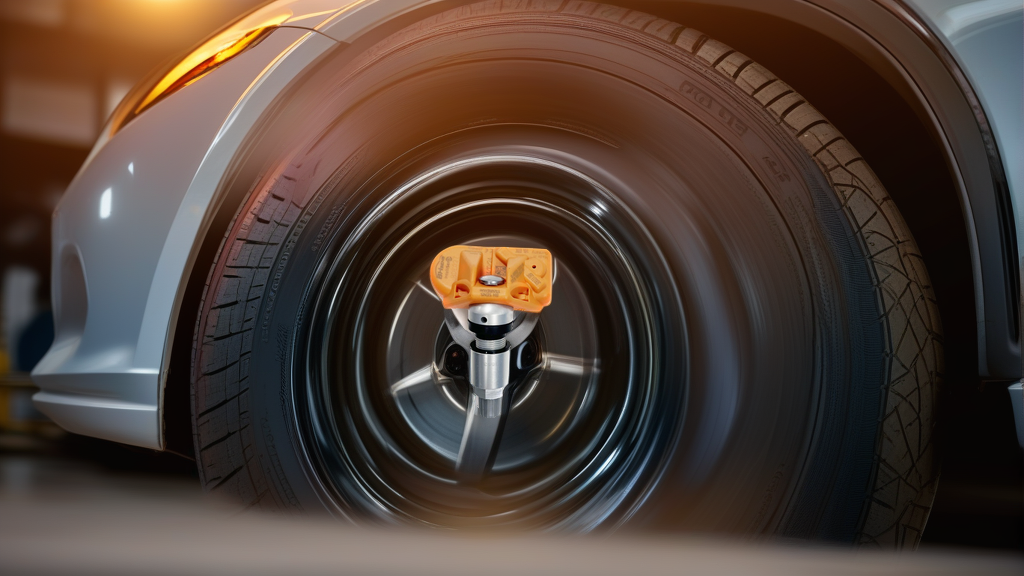
For a direct, no-hassle replacement on your MINI JCW CLUBMAN (2014–2023), use the RDE027V21 | BH-Sens 433MHz TPMS Tire Pressure Sensor | Fits Alpina, BMW, Mini | OE# 36106856209, 36106881890, 6855539. This is a pre-programmed clamp-in sensor that exactly matches OE specs—no programming required. It also fits Alpina and BMW models using the same OE numbers.
FAQ
How do I know if my MINI JCW CLUBMAN uses 433MHz or 315MHz sensors?
Check the original sensor’s label (usually printed on the side). If the label is worn, use a TPMS scan tool to read the frequency. Alternatively, call a MINI dealer with your VIN—they can tell you the exact sensor type based on your car’s production month and year.
Can I install the RDE027V21 myself, or do I need a shop?
You can install it yourself if you have a tire machine and a torque wrench. The sensor is pre-programmed, so no programming tool is needed. However, after installation, you must drive the car for 10 minutes above 15 mph to let the system learn the sensor positions. If you don’t have access to a tire machine, any tire shop can install it in under 15 minutes.
Will this sensor work with my 2020 MINI JCW CLUBMAN?
Yes, the RDE027V21 is confirmed to fit 2014–2023 MINI JCW Clubman models, including 2020. However, if your vehicle is 2020 or newer, ensure the sensor’s firmware version is compatible. BH-Sens regularly updates firmware; ask your supplier for the latest revision. In most cases, no issue occurs, but it’s worth double-checking.
What’s the difference between pre-programmed and programmable TPMS sensors?
Pre-programmed sensors (like RDE027V21) come ready to install with the correct ID and protocol for your vehicle. You don’t need any special tools—just install and drive. Programmable sensors require a cloning tool to copy the ID from your old sensor. Pre-programmed is easier for DIYers and shop technicians who want a quick fix.