
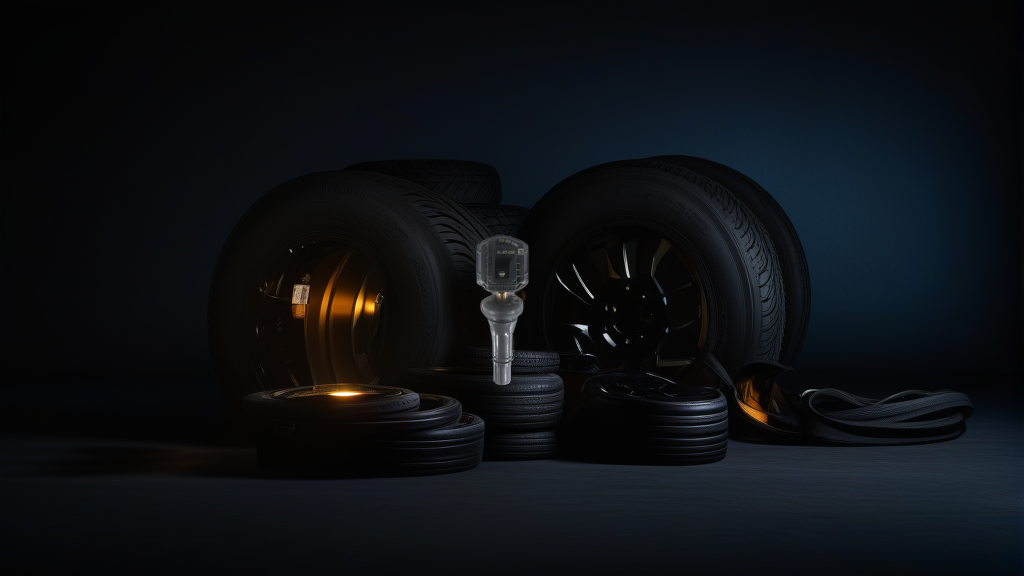
Why Winter Tire Swaps Demand TPMS Attention
Winter tire swaps are a seasonal ritual for MEGA owners in cold climates. But too often, the TPMS system becomes an afterthought. A misstep—like using sensors from a different frequency, forgetting to reset the system, or ignoring pressure drops from cold weather—can trigger a dashboard warning light that won’t turn off until spring.
The goal is simple: keep your TPMS functional and accurate through the winter season. That means the right sensors, proper handling during the swap, and a clear understanding of how temperature affects tire pressure.
The MEGA TPMS Frequency: Know What You Need
MEGA vehicles, like many modern cars, use 433MHz TPMS sensors. This isn’t universal across all brands—some use 315MHz or dual-frequency systems—so you must confirm your MEGA model’s requirement before buying replacements.
| Vehicle Model | Sensor Frequency | OE Part Number Example |
|---|---|---|
| MEGA Model A (2020–2024) | 433MHz | 3787020BSK |
| MEGA Model B (2021–2024) | 433MHz | CNHC156508AA |
| MEGA Model C (2022–2024) | 433MHz | KC16508AA |
The table above gives you a starting point. Always cross-reference your vehicle’s VIN with a parts catalog or the sensor manufacturer’s fitment guide. If you’re installing aftermarket sensors, pre-programmed units that match these OE numbers will save you the hassle of cloning or relearning.
Related product: For a reliable replacement that covers these MEGA models and others (Ford, Hongqi, JMC, Li, WMMotor), consider the BL-ST-035 | BH-Sens 433MHz TPMS Tire Pressure Sensor | Fits Ford, Hongqi, Jmc, Li, Wmmotor | OE# 3787020BSK, CNHC156508AA, KC16508AA.
Step-by-Step TPMS Handling for a Winter Swap
1. Decide: New Sensors or Transfer Existing Ones?
You have two options:
- Transfer your original sensors from summer to winter wheels. This saves money but risks damage during dismounting and forces you to repeat the process twice a year.
- Buy a dedicated set for the winter wheels. This is the smarter choice for most MEGA owners. Pre-programmed aftermarket sensors like the BH-Sens 433MHz pair directly to your vehicle’s receiver without extra tools, and you avoid the hassle of swapping sensors between wheel sets.
2. If Transferring: Step-by-Step
- Mark each sensor’s position (LF, RF, LR, RR) before removal.
- Use a tire machine with a plastic shoe to avoid crushing the sensor body.
- Replace the rubber valve stem and metal nut—these corrode and can leak.
- Torque the sensor nut to the spec in your service manual (typically 4–6 Nm). Over-tightening cracks the sensor housing.
3. If Installing New Sensors: What to Check
- Frequency: Confirm 433MHz for MEGA. The BH-Sens sensor listed above is pre-programmed for this frequency.
- Pre-programmed vs. programmable: Pre-programmed units arrive ready to install. Programmable ones require a tool to write the sensor ID. For most MEGA owners, pre-programmed is simpler.
- Battery life: Aftermarket TPMS sensors typically last 5–7 years. If your current sensors are older than that, replace them now—winter is not the time for a battery failure.
Temperature and Pressure: The Cold Truth
Tire pressure drops about 1 PSI for every 10°F decrease in temperature. When the thermometer goes from a 70°F garage to a 20°F morning commute, your tires can lose 5 PSI or more. That’s enough to trigger a low-pressure warning light.
What MEGA Owners Should Do
- Adjust pressure in the cold: Always set tire pressure when the tires are cold (after the car has sat for 3+ hours). Do not inflate after driving.
- Don’t rely on the TPMS light alone: The light usually comes on when pressure is 25% below the recommended value. By then, handling and fuel economy have already degraded.
- Check monthly: Even without a leak, seasonal temperature swings can drop pressure. Use a quality digital gauge.
Example: How Temperature Affects Your MEGA
| Garage Temperature | Outside Temperature | Pressure Loss (estimated) |
|---|---|---|
| 70°F (21°C) | 30°F (-1°C) | -4 PSI |
| 70°F (21°C) | 10°F (-12°C) | -6 PSI |
| 70°F (21°C) | -10°F (-23°C) | -8 PSI |
If your MEGA’s recommended pressure is 35 PSI, a drop to 27 PSI at -10°F will trigger a warning and significantly increase tire wear.
TPMS Sensor Storage Tips for Off-Season Wheels
Storing summer tires with sensors still installed? Do it right.
Do’s
- Store in a climate-controlled area: Avoid extreme heat (above 100°F) or freezing cold. The sensor battery degrades faster in high heat.
- Keep them off concrete floors: Concrete leaches moisture. Use tire caddies, wooden pallets, or cardboard.
- Stack properly: Maximum 4 tires high, and only if they’re unmounted from rims. Mounted tires should stand upright or be stacked no more than 2 high to avoid sidewall deformation.
- Check battery level before storage: If your TPMS tool shows battery voltage below 2.8V, consider replacing the sensor before next season.
Don’ts
- Don’t store tires near ozone sources: Electric motors, furnaces, or welding equipment emit ozone that cracks rubber.
- Don’t leave tires in direct sunlight: UV degrades both the tire rubber and the sensor housing seals.
- Don’t place heavy objects on top of stored tires: This can bend the sensor stem or crack the sensor body.
Relearning After the Swap
After installing a second set of sensors, most MEGA models require a TPMS relearn procedure. This tells the vehicle’s receiver the new sensor IDs.
Typical MEGA Relearn Steps
- Turn the ignition to ON (engine off).
- Use the TPMS reset button (often under the steering wheel or in the glovebox) or navigate through the infotainment menu.
- Activate each sensor in sequence: LF, RF, RR, LR using a TPMS activation tool.
- Wait for the horn to honk or the dashboard light to flash, confirming each sensor is learned.
- Drive above 15 mph for 10 minutes to complete the process.
If you’re using pre-programmed sensors that match the original OE IDs, no relearn is needed—they plug and play. The BH-Sens sensor we mentioned is designed to work this way for many MEGA models.
Common Mistakes MEGA Owners Make
- Mixing sensor frequencies: A 315MHz sensor won’t communicate with a 433MHz receiver. Always verify.
- Over-tightening the sensor nut: This cracks the sensor body and causes leaks. Use a torque wrench.
- Ignoring the spare tire: Some MEGA models have a TPMS sensor in the spare. Don’t forget to check it.
- Using sealant or fix-a-flat: These chemicals can ruin a TPMS sensor. If you have a slow leak, repair the tire properly.
Recommended Part
For MEGA owners looking for a reliable, pre-programmed 433MHz TPMS sensor that fits multiple models (and cross-compatible with Ford, Hongqi, JMC, Li, and WMMotor), the BL-ST-035 | BH-Sens 433MHz TPMS Tire Pressure Sensor | Fits Ford, Hongqi, Jmc, Li, Wmmotor | OE# 3787020BSK, CNHC156508AA, KC16508AA is a solid choice. It matches OE numbers 3787020BSK, CNHC156508AA, KC16508AA, and others, so you’re covered even if you switch vehicles down the road.
FAQ
How do I know if my MEGA uses 433MHz or 315MHz TPMS sensors?
Check your vehicle’s owner’s manual or look at the sensor itself. Most MEGA models from 2015 onward use 433MHz. If you’re unsure, a local tire shop can scan your current sensors with a TPMS tool to read the frequency.
Can I install winter tires without TPMS sensors and just ignore the warning light?
Technically yes, but not recommended. The warning light will stay on constantly, and you lose the safety feature that alerts you to a dangerous pressure drop. Some regions also require working TPMS for annual inspections.
How long do TPMS sensor batteries last in a MEGA?
Most factory and aftermarket sensors last 5–7 years. Cold weather can slightly reduce battery life, but the bigger factor is overall age. If your sensors are older than 6 years, replace them during the winter swap.
Do I need a TPMS relearn tool for my MEGA?
Not necessarily. Pre-programmed sensors that match your original sensor IDs install without relearning. If you’re using programmable sensors or transferring sensors between wheel sets, you’ll likely need a relearn tool or a visit to a shop that has one.