
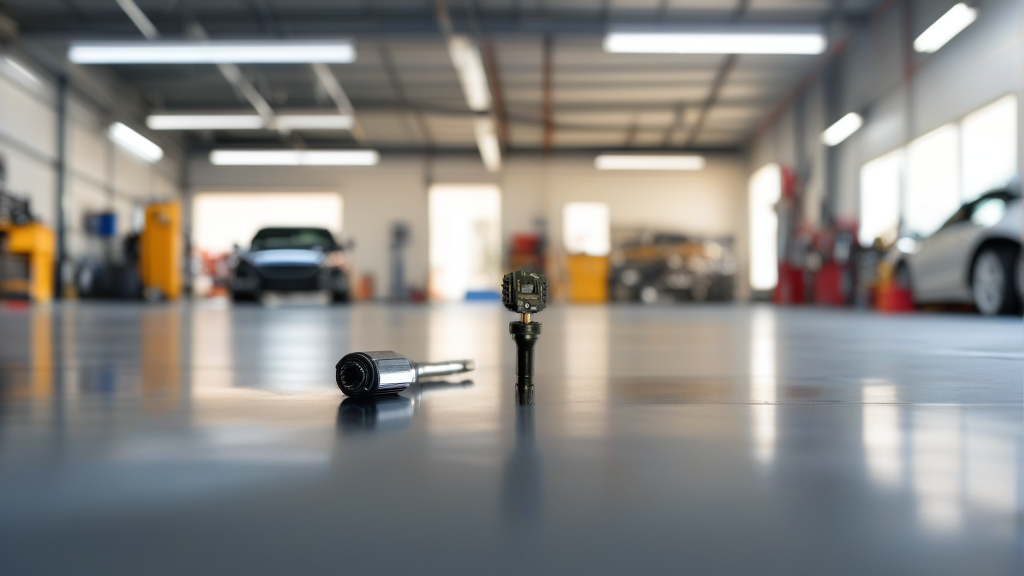
How the XTS TPMS System Works
The XTS uses direct TPMS — each wheel houses a sensor that measures tire pressure and temperature and transmits data via a 433MHz radio signal to a receiver module. When the sensor’s internal battery voltage drops below ~2.4V, or if the signal is blocked, the system triggers the TPMS warning light on the dashboard.
Unlike some brands that require relearn procedures at a dealer, many XTS models accept pre-programmed sensors like the BL-ST-068, which come cloned with the correct OE IDs for plug-and-play installation.
Common TPMS Warning Light Causes on XTS
1. Dead Sensor Battery (Most Frequent)
Sensor batteries are sealed and non-replaceable. Lifespan is 5–7 years. If your XTS is older than 2018, expect at least one sensor to fail soon.
Symptoms of a dead battery:
- TPMS light blinks for 60–90 seconds at start, then stays solid.
- Tire pressure reads “—” or “0” on the display for one wheel.
- Cold weather accelerates battery drain — you may see the light only in winter.
2. Physical Sensor Damage
- Pothole impacts can crack the sensor housing or break the valve stem.
- Improper tire mounting (e.g., using tire levers near the sensor) crushes the internal electronics.
- Corrosion at the valve stem base (especially in salt-belt regions) causes air leaks and false low-pressure warnings.
3. Signal Interference
433MHz is a shared ISM band. Interference sources include:
- Aftermarket dashcams, LED headlight drivers, or power inverters placed near the TPMS receiver (usually behind the glovebox or center console).
- Metalized window tint can weaken the signal from wheel sensors.
- Two vehicles with identical sensor IDs in close proximity (rare, but possible in parking lots).
Diagnosing the Exact Fault
Step 1: Read the Trouble Codes
Use a TPMS-dedicated scan tool (like an Autel TS508 or ATEQ Quickset). This will:
- Display each sensor’s ID and battery voltage.
- Report codes such as:
- C0770 – No signal from sensor (dead battery or sensor failure)
- C0775 – Sensor communication error (interference or receiver fault)
- C0780 – Invalid pressure data (sensor corruption)
Step 2: Check Signal Strength
If the scan tool shows a sensor with low voltage (< 2.5V) or no signal when you activate it with a 433MHz trigger tool, the sensor must be replaced. If all sensors show good voltage but the light remains, test for interference by temporarily disconnecting aftermarket electronics one at a time.
Step 3: Verify Tire Pressure Manually
A TPMS light can also mean genuinely low pressure. Use a tire gauge on all four tires. If pressures are correct but the light stays on, the system needs a reset or a bad sensor is “stuck” reporting a low value.
Sensor Compatibility Table
| Attribute | BL-ST-068 (BH-Sens) |
|---|---|
| Frequency | 433MHz |
| OE Numbers | 10290600, 10625492, 10718213, 11205327 |
| Type | Clamp-in, pre-programmed |
| Battery Life | 6–8 years typical |
| Compatible Brands | Im, MG, Rising, Roewe (many XTS variants) |
| Programming | Pre-programmed to OE IDs – no cloning tool needed |
Recommended Part for XTS TPMS Replacement
When you confirm a failed sensor (dead battery or no communication), the direct-fit replacement is the BL-ST-068 | BH-Sens 433MHz TPMS Tire Pressure Sensor | Fits Im, MG, Rising, Roewe | OE# 10290600, 10625492, 10718213. This BH-Sens unit is built by Baolong Technology, which supplies OE sensors for many Chinese-market XTS models. It comes pre-programmed with the correct 433MHz ID, so installation requires only mounting and a quick relearn (drive above 15 mph for 5 minutes, or use a TPMS tool to trigger the relearn procedure).
Installation note: Always replace the valve stem nut and seal when installing a new sensor. Torque the clamp nut to 35–45 in-lbs (check your XTS manual for exact spec). After installation, verify all four sensor IDs appear on your scan tool.
FAQ
How do I know if my XTS TPMS sensor battery is dead or just low pressure?
If the TPMS light blinks for about a minute after starting the engine and then stays solid, that indicates a sensor battery fault, not low pressure. Low pressure will show a solid light immediately at startup without blinking. A scan tool will confirm the battery voltage.
Can I replace just one TPMS sensor on my XTS?
Yes, you can replace a single faulty sensor. However, if the other sensors are more than 5 years old, consider replacing all four to avoid repeat labor costs. The BL-ST-068 is pre-programmed to match your original IDs, so no dealer programming is needed.
Why does my XTS TPMS warning light come on only in cold weather?
Cold temperatures reduce battery chemical activity, temporarily dropping voltage below the threshold in a weak sensor. This is a classic sign of a sensor approaching end-of-life. When the weather warms, the voltage rises slightly, and the light may turn off — but the sensor will fail permanently soon.
What if the TPMS light stays on after installing new sensors?
First, ensure the sensors are programmed to the correct vehicle ID. If using pre-programmed sensors like the BL-ST-068, confirm the frequency is 433MHz (some XTS variants use 315MHz). Then perform a relearn: inflate all tires to spec, drive above 15 mph for 10 minutes. If the light remains, check for signal interference from aftermarket electronics near the receiver module.