
Why Your Bestune TPMS Warning Light Is On
The Tire Pressure Monitoring System (TPMS) on Bestune vehicles uses individual sensors mounted inside each wheel. These sensors measure pressure and temperature, then transmit data wirelessly to a receiver module. When the warning light stays on or flashes, it signals one of three root causes: a pressure problem, a sensor hardware failure, or a communication issue.
Low Tire Pressure (The Most Common Cause)
Before assuming a sensor failure, check all four tires with a manual gauge. The TPMS typically triggers a warning when pressure drops 25% below the recommended value (usually 32-35 psi for Bestune models). Even a slow leak from a small puncture can cause the light to come on after driving a few miles.
What to do: Inflate all tires to the pressure listed on your driver’s door jamb sticker. Reset the system by driving above 15 mph for 10-15 minutes. If the light goes out, the system is working correctly.
Dead Sensor Battery Symptoms
Each TPMS sensor contains a non-replaceable lithium battery designed to last 5-7 years. When the battery begins to fail, you will notice specific symptoms:
| Symptom | Description | Action |
|---|---|---|
| Intermittent warning light | Light comes on and goes off randomly, often after cold starts | Check sensor battery voltage with a TPMS tool |
| No signal on all sensors | Scan tool cannot detect any sensor IDs | Likely receiver module issue, not batteries |
| Single sensor not reading | One wheel shows no pressure or temperature data | That sensor battery is likely dead or near dead |
| Light flashes for 60-90 seconds then stays solid | Classic TPMS system error indicating a malfunction | Requires diagnostic scan to identify which sensor failed |
How to Confirm a Dead Battery
You need a TPMS diagnostic tool (such as an Autel TS508 or Bartec). Place the tool against the tire sidewall near the valve stem and trigger the sensor. A healthy sensor should respond with pressure, temperature, and a battery voltage reading above 2.5V. If the sensor does not respond or shows voltage below 2.3V, the battery is depleted and the sensor must be replaced.
Important: Bestune sensors are sealed units. You cannot replace just the battery—you must replace the entire sensor. When replacing, use a pre-programmed sensor like the BL-ST-040 | BH-Sens 433MHz TPMS Tire Pressure Sensor | Fits Bestune, FAW, Hongqi | OE# 3602100FD, 3602100FDA, 3778080DB01A to avoid the cost and complexity of programming at a dealership.
Signal Interference Diagnosis
TPMS operates on a 315MHz or 433MHz frequency band (Bestune uses 433MHz). External radio frequency interference can block or corrupt the signal between sensors and the receiver.
Common Interference Sources
1. Aftermarket LED light bars or auxiliary lighting
Poorly shielded LED drivers can emit wide-spectrum RF noise that masks TPMS signals. If the warning light appears only when headlights or fog lights are on, suspect interference.
2. Metalized window tint
Some tint films contain metallic particles that act as a Faraday cage, blocking RF signals. If the TPMS warning light appeared after tinting your windows, the receiver antenna (often behind the dashboard or rear seats) may be shielded.
3. Aftermarket remote starters or alarm systems
These systems often use the same frequency bands as TPMS. If the warning light started after installing an aftermarket security system, check for frequency overlap.
4. USB chargers and dash cameras
Cheap 12V-to-USB adapters can generate RF noise. Unplug all accessories and see if the warning light goes out after a drive cycle.
Diagnosing Interference
- Drive the vehicle in an open area away from power lines, cell towers, and large metal structures. If the light goes out, external interference is likely.
- Remove all aftermarket electronics one at a time, driving between each removal, to isolate the offending device.
- Check the TPMS receiver location in your Bestune (typically behind the glove box or under the rear seat). Ensure no metal objects or aftermarket wiring is placed directly on the receiver module.
Recommended Part for Replacement
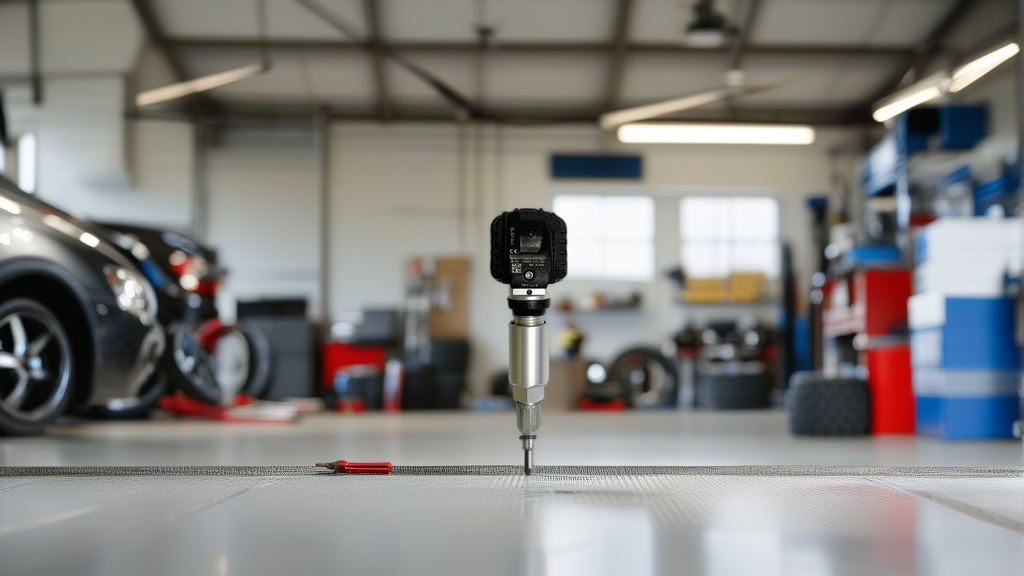
When a Bestune TPMS sensor needs replacement due to dead battery or physical damage, the BL-ST-040 | BH-Sens 433MHz TPMS Tire Pressure Sensor | Fits Bestune, FAW, Hongqi | OE# 3602100FD, 3602100FDA, 3778080DB01A is a direct fit for:
- Bestune models (B50, B70, X40, X80)
- FAW vehicles
- Hongqi models
This BH-Sens (Baolong Technology) sensor comes pre-programmed with OE frequencies (433MHz) and matches the original clamp-in design. It covers OE numbers 3602100FD, 3602100FDA, 3778080DB01A, 3778080DDS1, and 3778080E16. No additional programming is needed—install it and the system will learn the new ID automatically after a short drive.
FAQ
Can I replace just the battery in my Bestune TPMS sensor?
No. TPMS sensor batteries are permanently sealed inside the sensor body. Attempting to open the sensor will damage it and void any safety certification. Replace the entire sensor unit.
How long does it take for the TPMS light to turn off after fixing the issue?
After correcting the pressure or replacing a sensor, the warning light typically turns off after driving at speeds above 15 mph for 10-15 minutes. Some Bestune models may require a manual reset using the TPMS button (usually located under the steering column or in the glove box).
Will a 315MHz sensor work on my Bestune?
No. Bestune vehicles use 433MHz sensors. A 315MHz sensor will not communicate with the receiver module, and the warning light will stay on. Always confirm frequency compatibility before purchasing.
Why does my TPMS light flash on cold mornings but go off later?
This is normal behavior. Cold temperatures cause tire pressure to drop (about 1 psi per 10°F). If the pressure is borderline, the sensor may trigger a warning when cold, then go off once the tires warm up and pressure rises. Check and adjust pressure to the cold inflation value on your door jamb sticker.