
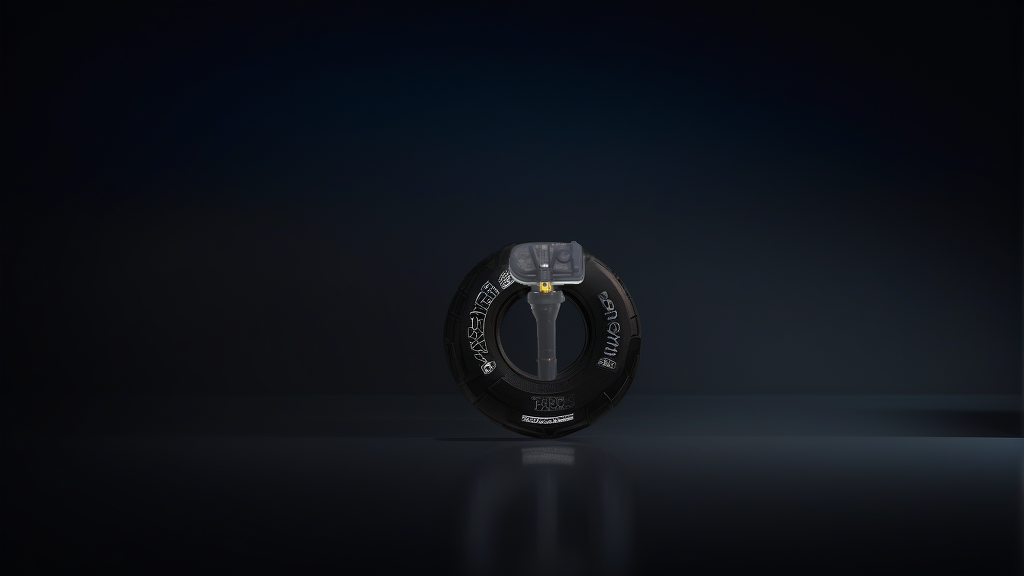
Why Tesla TPMS Replacement Is Different
Tesla uses a direct TPMS system, meaning each wheel has a sensor that transmits real-time pressure and temperature data to the vehicle’s computer. Unlike many aftermarket sensors, Tesla’s system can be sensitive to frequency mismatches and programming errors. Using the wrong sensor often results in the “Tire Pressure System Fault” warning on the touchscreen.
The Tesla TPMS sensors are generally clamp-in, pre-programmed units, but Tesla-specific fitment requires checking more than just the frequency.
Key Checks Before Ordering
Frequency: 433MHz vs. 315MHz
Most Tesla Model S and Model X vehicles from 2012 to 2020 use 433MHz sensors. Model 3 and Model Y, as well as later Model S/X refresh (2021+), often switched to 315MHz. Always confirm your Tesla’s frequency by checking the original sensor’s label or consulting the vehicle’s service manual.
| Tesla Model | Typical Year Range | TPMS Frequency |
|---|---|---|
| Model S | 2012–2020 | 433MHz |
| Model S | 2021+ | 315MHz |
| Model X | 2015–2020 | 433MHz |
| Model X | 2021+ | 315MHz |
| Model 3 | 2017–2020 | 433MHz |
| Model 3 | 2021+ | 315MHz |
| Model Y | 2020–2023 | 433MHz/315MHz* |
*Some early Model Y units shipped with 433MHz; later production switched. Verify by VIN or existing sensor.
Pre-Programmed vs. Programmable
Sensors like the BL-ST-088 | BH-Sens 433MHz TPMS Tire Pressure Sensor | Fits Audi, Lamborghini, Polestar, Porsche, VW & 1 More | OE# 32134419, 3WA907255, 95C907255 are pre-programmed, meaning they come ready to use with common OE IDs. This works well if your Tesla’s sensor IDs are standard, but if your vehicle requires custom ID cloning, you may need a programmable sensor or a TPMS tool to copy the original IDs.
Clamp-In vs. Snap-In
Tesla uses clamp-in sensors throughout all models. The BL-ST-088 is clamp-in, which is correct. Snap-in sensors will not fit Tesla valve stems.
B2B Bulk Buying Notes
If you are sourcing sensors for a workshop, fleet, or resale, consider the following:
- Cross-compatibility matters. The BH-Sens BL-ST-088 covers Audi, Lamborghini, Polestar, Porsche, VW, and one additional brand (likely Bentley or Lamborghini SUV). This reduces the number of SKUs you need to stock.
- OE number verification. The OE numbers 32134419, 3WA907255, and 95C907255 are common across VAG (Volkswagen Audi Group) vehicles and some Tesla units. However, Tesla does not always publish its TPMS OE numbers publicly—you must cross-reference with aftermarket databases or test-fit before bulk ordering.
- Bulk pricing thresholds. Many suppliers, including Risens Auto, offer tiered pricing at 10, 50, and 100+ units. Request a sample first to test fitment on a known Tesla model year.
- Return policy. Tesla sensors sometimes require specific firmware updates. Ensure your bulk order allows returns if the sensors fail to sync with a 2021+ Model 3, for example.
Recommended Part
For a reliable 433MHz TPMS sensor that fits many Tesla Model S/X/3 (2012–2020) and also covers VAG vehicles, we recommend the BL-ST-088 | BH-Sens 433MHz TPMS Tire Pressure Sensor | Fits Audi, Lamborghini, Polestar, Porsche, VW & 1 More | OE# 32134419, 3WA907255, 95C907255. It is clamp-in, pre-programmed, and sourced from BH-Sens (Baolong Technology), a Tier-1 TPMS manufacturer.
FAQ
Can I use a VW or Audi TPMS sensor on my Tesla?
Yes, if the frequency (433MHz) and OE number match. Many Tesla sensors share the same base hardware as VAG sensors. The BL-ST-088 explicitly covers both. However, always verify the sensor ID format—some Tesla systems require the sensor to be cloned rather than simply paired.
How do I know if my Tesla uses 433MHz or 315MHz?
Check the original sensor’s label (usually on the metal housing) for the frequency marking. Alternatively, contact a Tesla service center with your VIN. Production changes around 2020–2021 are the most common split point.
Do I need a TPMS tool to install pre-programmed sensors?
For most pre-programmed sensors, the vehicle will auto-learn the sensor IDs after driving for a few minutes at speeds above 15 mph. If it does not, a TPMS tool (like an Autel or Bartec) can force the relearn. For bulk buyers, having a universal TPMS tool on hand is recommended.
Can I mix BH-Sens sensors with original Tesla sensors on the same vehicle?
It is not recommended. Mixing sensor brands or generations can cause inconsistent readings or system faults. Always replace all four sensors at once, or at least match the sensor brand and type on the same axle.