
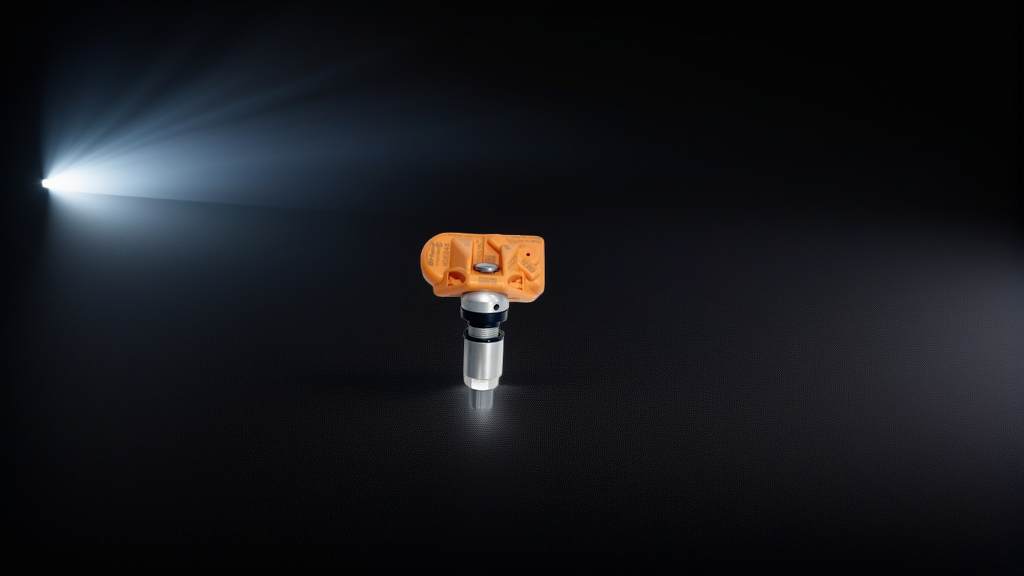
Why Winter Tire Swaps Are a TPMS Stress Test
Winter tire swaps on a PHANTOM expose TPMS sensors to more physical handling than any other maintenance event. The combination of cold weather, salt exposure, and repeated mounting/demounting cycles creates three specific risks:
- Corrosion on the valve stem and sensor housing – road salt accelerates galvanic corrosion, especially on aluminum housings paired with steel rims.
- Seal failure at the valve core and grommet – rubber seals harden in sub-zero temperatures, leading to slow leaks.
- Impact damage during tire mounting – if the tire machine bead-breaker hits the sensor body, the ceramic element inside can crack.
The RDE048V21 | BH-Sens 433MHz TPMS Tire Pressure Sensor | Fits Aston Martin, Audi, BMW, Bentley, Bugatti & 9 More | OE# 11B0015CP, 11B0022CP, 2000680 (BH-Sens 433MHz, OE# 11B0015CP, 11B0022CP, 2000680) is a direct-fit replacement for many European luxury vehicles including Aston Martin, Audi, BMW, Bentley, and Bugatti, but the same handling principles apply whether you’re using OEM or aftermarket sensors.
Setting Correct Tire Pressures for Winter on Your PHANTOM
The 1 PSI Per 10°F Rule
Most PHANTOM owners know the cold pressure recommendation on the door jamb sticker (typically 32-38 PSI for passenger cars, higher for SUVs). That number is valid for 70°F ambient. In winter:
| Ambient Temperature | PSI Change from 70°F | Recommended Cold Pressure (if door jamb says 35 PSI) |
|---|---|---|
| 30°F | -4 PSI | 39 PSI |
| 20°F | -5 PSI | 40 PSI |
| 10°F | -6 PSI | 41 PSI |
| 0°F | -7 PSI | 42 PSI |
Practical advice: Set your PHANTOM’s cold tire pressure 4-6 PSI above the summer spec when temperatures are consistently below freezing. Do not exceed the maximum sidewall pressure printed on the tire.
Why Over-Inflation for Winter Works
- Compensates for pressure drop when the car sits overnight
- Maintains proper contact patch on snow and ice
- Prevents TPMS low-pressure warnings from triggering at 25% below placard pressure (typically 24-26 PSI threshold)
TPMS Sensor Storage Tips for Off-Season Wheels
If you run dedicated winter wheels and store your summer set, the sensors on the stored wheels need care too.
Do Not Store Sensors in Metal Containers
Some owners bag sensors in steel toolboxes. This can cause:
- Passive RFID interference (sensors transmit at 433MHz – metal enclosures can detune the antenna)
- Galvanic corrosion if the sensor housing contacts bare steel
Best practice: Wrap each sensor in anti-static foam or bubble wrap, place in a cardboard box, and store in a climate-controlled area (50-80°F, humidity below 60%).
Battery Life Consideration
TPMS sensor batteries are non-replaceable and typically last 5-7 years. If your PHANTOM’s sensors are approaching year 5 and you’re storing them for 6 months, consider replacing them now rather than waiting for a failure mid-winter. The RDE048V21 | BH-Sens 433MHz TPMS Tire Pressure Sensor | Fits Aston Martin, Audi, BMW, Bentley, Bugatti & 9 More | OE# 11B0015CP, 11B0022CP, 2000680 uses industry-standard CR2032 or CR2450 coin cells (check spec sheet), but the entire sensor unit is sealed – you replace the sensor, not the battery.
Valve Stem Orientation
When storing wheels vertically, position the sensor at the 12 o’clock position (top of the wheel). This prevents the weight of the tire from pressing on the valve stem and grommet over months of storage.
Step-by-Step: TPMS Handling During Winter Tire Swap
Before Mounting
- Inspect the sensor housing for cracks, corrosion, or bent valve stems. Look at the rubber grommet where the valve meets the rim – any dry rot means replacement.
- Check the sensor battery voltage if you have a TPMS tool (autel, bartec, or similar). Voltage below 2.8V under load = replace.
- Replace the valve stem nut and cap – these are often single-use due to corrosion. Use nickel-plated brass or stainless steel stem nuts.
During Mounting
- Tell the tire technician: “These sensors are at the valve stem – do not use the bead breaker near the valve.”
- Mounting lubricant: Use only water-based tire mounting lube. Petroleum-based lubes degrade the rubber grommet.
- Torque the valve stem nut to the manufacturer spec – typically 4-6 Nm (35-53 in-lbs). Over-tightening cracks the sensor housing.
After Mounting
- Relearn the sensor IDs to the PHANTOM’s TPMS module. Procedure varies by model year – check your owner’s manual. Most 2015+ models auto-relearn after driving above 15 mph for 10 minutes.
- Set cold tire pressure as per the temperature-adjusted table above.
- Drive 2-3 miles and verify all four pressure readings are displayed and within 2 PSI of each other.
Troubleshooting Common Winter TPMS Issues
| Symptom | Likely Cause | Fix | |||
|---|---|---|---|---|---|
| Single sensor not reading | Dead battery or corrosion | Replace sensor (use [RDE048V21 | BH-Sens 433MHz TPMS Tire Pressure Sensor | Fits Aston Martin, Audi, BMW, Bentley, Bugatti & 9 More | OE# 11B0015CP, 11B0022CP, 2000680](https://risensauto.com/product/bh-sens-433mhz-tpms-tire-pressure-sensor-fits-aston-martin-audi-bmw-bentley-bugatti-9-more-oe-11b0015cp-11b0022cp-2000680-rde048v21/)) |
| All sensors lost after tire swap | Module not in learn mode | Perform OBD relearn or trigger each sensor with a tool | |||
| Intermittent pressure readings | Loose valve stem nut | Re-torque to 5 Nm | |||
| Pressure drops 5+ PSI overnight in cold | Frozen moisture in valve core | Replace valve core with dry one, add nitrogen |
Recommended Part
For PHANTOM owners needing a reliable replacement during winter service, the RDE048V21 | BH-Sens 433MHz TPMS Tire Pressure Sensor | Fits Aston Martin, Audi, BMW, Bentley, Bugatti & 9 More | OE# 11B0015CP, 11B0022CP, 2000680 (BH-Sens 433MHz) covers OE numbers 11B0015CP, 11B0022CP, and 2000680. It’s a direct-fit for Aston Martin, Audi, BMW, Bentley, Bugatti, plus Porsche, Lamborghini, and Rolls-Royce models. Use it when corrosion or battery failure is found during seasonal inspection.
FAQ
How do I know if my PHANTOM’s TPMS sensor battery is dead before winter?
Use a TPMS diagnostic tool (many auto parts stores will scan for free) or watch for the dashboard warning light that stays solid or flashes for 60+ seconds after startup. If one wheel consistently reads 0 PSI or displays dashes, the sensor is likely dead.
Can I reuse the same TPMS sensor after switching back to summer tires?
Yes, as long as the sensor passed inspection (no cracks, no corrosion, battery voltage above 2.8V). Reinstall with a new valve stem grommet and metal cap. Do not reuse the old plastic cap – it can freeze and crack in winter.
Should I use nitrogen instead of air in winter for TPMS reliability?
Nitrogen helps because it contains no moisture (reduces internal valve core icing) and leaks slower through rubber, but standard dry shop air is fine for most PHANTOM owners. The pressure change with temperature is the same – nitrogen doesn’t fix the 1 PSI per 10°F rule.
What’s the minimum temperature a TPMS sensor can handle?
Most BH-Sens sensors (including the RDE048V21) are rated down to -40°F (-40°C). The real limitation is the rubber grommet and battery chemistry – below -22°F, battery output drops significantly but the sensor will still transmit. In extreme cold, let the car warm up for a few minutes before driving to let the sensor internal temperature rise.