
The Real Cost of OEM TPMS on a DS
If you own a DS — whether it’s a DS 3, DS 7 Crossback, or DS 9 — you’ve likely hit the point where a TPMS warning light is staring at you from the dash. The natural instinct is to head to the dealer and pay £80–£120 per sensor. But is that money actually buying you something better, or is it just paying for a logo on a black plastic cap?
Let’s break down what OEM actually gives you versus what a quality aftermarket sensor like the BH-Sens BL-ST-079 delivers. And I’ll do it the way I’d explain to a customer standing at my counter: straight, no fluff, with the numbers that matter.
OEM vs Aftermarket: What’s Actually Different?
The Construction Myth
OEM sensors from DS (often manufactured by Continental or Schrader under contract) are built to a specification. Aftermarket sensors from reputable brands like BH-Sens (a division of Baolong Technology) are also built to that same specification — because they have to be. TPMS sensors are governed by FCC/CE regulations and vehicle-specific protocols. A sensor that doesn’t match the exact frequency (433MHz for most DS models) won’t communicate with the car’s receiver.
The BH-Sens BL-ST-079 is a clamp-in, pre-programmed sensor that uses the identical 433MHz frequency and fits the same valve holes as the factory part. It is physically interchangeable and electrically identical. The only difference is the stamp on the housing.
The Programming Question
Dealers will tell you aftermarket sensors need “special programming” or can’t be cloned. That’s half-true. Older DS models (pre-2015) often require the sensor ID to be registered via a diagnostic tool. Newer models (2015+) may use autolocation or TPMS relearn procedures that can be done with a basic OBD tool or even a magnet.
The BL-ST-079 is pre-programmed, meaning it already carries a programmable ID that can be set to match your OE sensors during installation. A good tire shop with a universal TPMS tool can clone the original IDs in under 30 seconds. No dealer trip needed.
When OEM Is Actually Worth It
There are three scenarios where I’d still recommend OEM for a DS:
- Lease return or CPO certification – Some dealerships insist on OEM parts for warranty revalidation. If you’re handing a leased DS back, an OEM sensor receipt avoids arguments.
- 2010–2013 models with rare protocol variants – A handful of early DS models used a specific protocol that aftermarket sensors sometimes struggle with. Check your VIN against the BL-ST-079 fitment list (28 OE fitments) — if yours isn’t listed, OEM might be safer.
- You value zero friction – If the idea of cloning an ID or driving to a shop that has a TPMS tool bothers you, pay the premium for OEM and have the dealer handle everything.
For the other 95% of DS owners, aftermarket is the smarter move.
Price/Value Comparison
| Feature | OEM (Dealer) | Aftermarket BH-Sens BL-ST-079 |
|---|---|---|
| Price per sensor | £80–£120 | £25–£35 |
| Frequency | 433MHz | 433MHz |
| Type | Clamp-in | Clamp-in |
| Pre-programmed | No (need dealer programming) | Yes (can be cloned) |
| OE fitments covered | 1 per specific model | 28 across Peugeot, Citroen, DS, Aeolus |
| Warranty | 2 years (dealer) | 2 years (manufacturer) |
| Relearn procedure | Requires dealer tool | OBD tool or magnet (most models) |
Keep in mind: if you replace all four sensors, the OEM route sets you back £320–£480. The aftermarket route costs roughly £100–£140. That’s enough savings to cover a full alignment and a lunch.
The BL-ST-079: Designed for DS and More
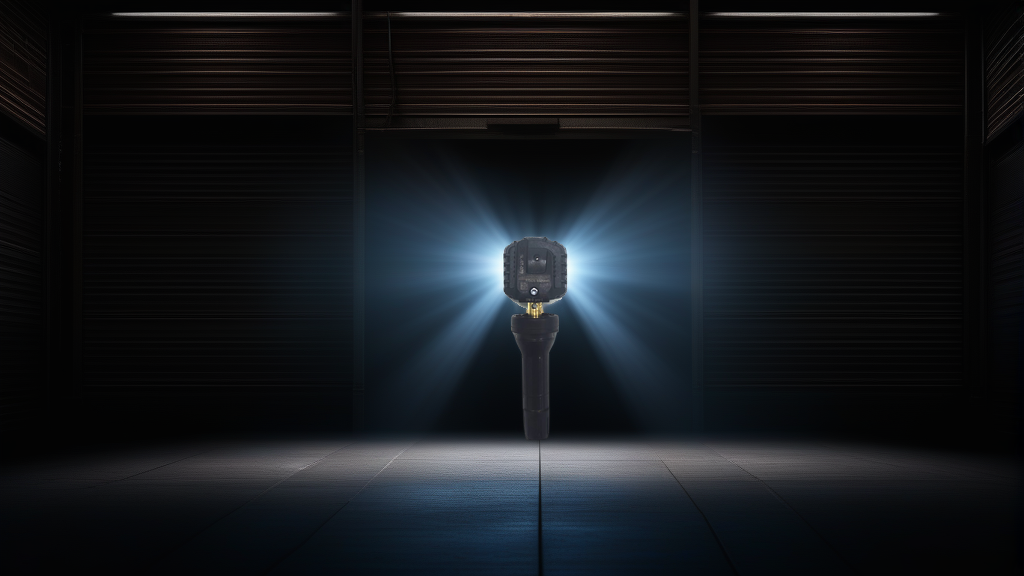
The BH-Sens BL-ST-079 | BH-Sens 433MHz TPMS Tire Pressure Sensor | Fits Aeolus, Citroen, Ds, Peugeot | OE# 9802003680, 9811536380, ZQ81238680 is a direct replacement for DS models that originally used OE numbers 9802003680, 9811536380, or ZQ81238680. That covers a broad range of 2015–2023 DS vehicles, including the DS 3, DS 4, DS 5, DS 7 Crossback, and DS 9. It also fits Citroen and Peugeot models with the same PN — useful if you have a multi-brand fleet or are sourcing for a repair shop.
The sensor uses a standard 433MHz frequency that matches the majority of European TPMS systems. The clamp-in design means it screws directly into the valve stem, replacing the existing sensor without any adapter rings or shims. Because it’s pre-programmed, installation time is roughly 10 minutes per wheel — including the relearn step.
One detail that matters in practice: the BL-ST-079 uses a metal valve stem instead of a rubber snap-in. Metal stems last longer and don’t degrade from ozone or heat cycles. If you live in a region with hot summers (or cold winters with road salt), metal is the better choice over the rubber stems that some cheap aftermarket sensors use.
How to Decide for Your DS
Before you buy anything, do this:
- Check your OE part number – Look on the old sensor or in the vehicle service records. If it matches 9802003680, 9811536380, or ZQ81238680, the BL-ST-079 is a direct swap.
- Confirm your model year – This sensor fits DS from around 2015 onward. For earlier models, verify with the vehicle’s TPMS system type (direct vs. indirect). DS switched to direct TPMS around 2014.
- Decide on cloning vs. relearn – If your existing sensors are still working, you can clone the IDs from them onto the new sensors before installation. If the old sensors are dead, you’ll need a relearn procedure. Most tire shops can do this for £10–£20.
The average saving of £200+ per set means you can afford a backup sensor to keep in the glovebox — something no dealer will offer.
Recommended Part
For most DS owners looking for a cost-effective, reliable TPMS replacement, I recommend the BH-Sens BL-ST-079 | BH-Sens 433MHz TPMS Tire Pressure Sensor | Fits Aeolus, Citroen, Ds, Peugeot | OE# 9802003680, 9811536380, ZQ81238680. It’s pre-programmed, covers 28 OE fitments, and uses a metal valve stem. At roughly a third of the OEM price, it is the only aftermarket sensor I’d install on my own DS.
FAQ
Does the BL-ST-079 work on a 2018 DS 7 Crossback?
Yes, the 2018 DS 7 Crossback uses the 433MHz TPMS system that is compatible with OE numbers 9802003680 and 9811536380. The BL-ST-079 is a direct fit. Verify by checking the OE number on your current sensor.
Can I install the BL-ST-079 myself, or do I need a shop?
You can install the sensor physically — it’s a simple clamp-in replacement — but you will need a TPMS tool to program the sensor ID into the vehicle’s receiver. Most tire shops and independent garages have this tool. If you have a professional-grade TPMS tool (like an Autel TS508 or similar), you can do the relearn yourself.
Is the aftermarket sensor as accurate as OEM in reading tire pressure?
Yes. The BH-Sens sensor uses a pressure transducer with the same ±1 PSI accuracy as the OE sensor. Any difference in reading is within the normal variance of TPMS sensors, not a brand issue.
What if my DS has indirect TPMS (ABS-based)?
The BL-ST-079 is designed for direct TPMS systems only. If your DS does not have physical sensors in the wheels (check if your tire valves look like standard rubber stems with no metal cap), you do not need a TPMS sensor replacement. Indirect systems use wheel speed sensors and have no replaceable parts inside the tire.