
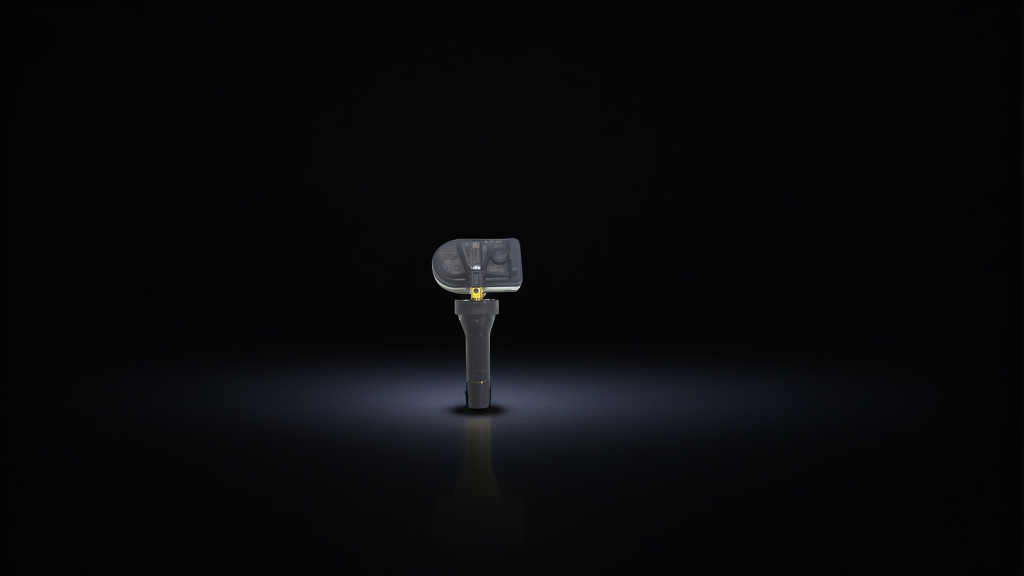
Understanding Fengdu TPMS Systems
Fengdu, a sub‑brand of Dongfeng Motor, produces popular SUVs such as the MX3, MX5, and MX6. These vehicles typically use indirect or direct TPMS systems. The direct systems rely on a sensor inside each wheel that transmits pressure and temperature data via radio frequency. Most Fengdu models operate on 433 MHz, the same frequency used by many Volkswagen‑group vehicles and increasingly by Chinese domestic brands.
Because Fengdu shares some platform architectures with global OEMs, aftermarket sensors designed for VW/Audi can often be cross‑referenced – but only if the original part numbers align. Blindly buying a sensor meant for another brand will lead to a non‑functional system.
Key Checks Before Ordering
1. Frequency Compatibility
All TPMS sensors broadcast on a specific radio frequency. The three most common are 315 MHz, 433 MHz, and 434 MHz. Fengdu vehicles almost exclusively use 433 MHz. Installing a 315 MHz sensor will not communicate with your vehicle’s receiver.
| Frequency | Typical Applications |
|---|---|
| 315 MHz | Older North American vehicles (Ford, GM pre‑2008) |
| 433 MHz | Most European, Asian, and Chinese vehicles (VW, Audi, Toyota, Fengdu) |
| 434 MHz | Some Nissan, Infiniti, and Renault models |
2. OE Part Number Cross‑Reference
This is the single most critical step. Remove one of your existing sensors and read the OEM number printed on the housing. Look for a string like 32134419, 3WA907255, or 95C907255. If your Fengdu’s sensor number matches any of these, the BL-ST-088 | BH-Sens 433MHz TPMS Tire Pressure Sensor | Fits Audi, Lamborghini, Polestar, Porsche, VW & 1 More | OE# 32134419, 3WA907255, 95C907255 is a direct drop‑in replacement.
If you don’t see the exact number, check the manufacturer’s catalog or contact your supplier. Many aftermarket brands like BH‑Sens (Baolong Technology) produce universal sensors that cover dozens of OE numbers – but only if the protocol and frequency match.
3. Clamp‑In vs. Snap‑In
- Clamp‑in sensors (like the BL‑ST‑088) mount to the valve stem with a metal nut and rubber gasket. They are robust, reusable, and require a special tool to tighten to the correct torque (usually 35 in‑lbs).
- Snap‑in sensors are plastic and click into the wheel hole. They are cheaper but less durable and cannot be reused after tire removal.
Fengdu originally uses clamp‑in sensors. Stick with that style for a reliable seal.
4. Pre‑Programmed vs. Programmable
- Pre‑programmed sensors come with a fixed ID that corresponds to a specific OE number. Great for quick replacement – just bolt them in and the car relearns.
- Programmable (or “multi‑protocol”) sensors can be cloned or reprogrammed with a tool to match any ID. More flexible but require a TPMS programming tool.
The BL‑ST‑088 is pre‑programmed for OE numbers 32134419, 3WA907255, and 95C907255. If your Fengdu has one of these numbers, installation takes minutes.
B2B Bulk Buying Notes
When purchasing TPMS sensors for a workshop or fleet of Fengdu vehicles, consider these factors:
- Consistency of OE numbers – Even within the same Fengdu model year, sensor part numbers can vary. Ask your supplier to verify that all units in the batch match the required OE number. Mismatched IDs will prevent the vehicle from learning the sensors.
- Packaging and labeling – Bulk packs often contain sensors mixed from different production runs. Insist on sealed individual packaging with clear OE labels to avoid mix‑ups during installation.
- Warranty and returns – BH‑Sens offers a one‑year warranty on the BL‑ST‑088. For bulk orders, negotiate a replacement policy for dead‑on‑arrival units (typically 2–3% is acceptable). Also confirm that the sensor includes the mounting nut, gasket, and valve core.
- Frequency confirmation – Some suppliers import 315 MHz sensors for other markets. Double‑check the frequency printed on the box – a wrong frequency sensor is worthless on a Fengdu.
- Tooling requirements – Pre‑programmed sensors still need a relearn procedure using the vehicle’s TPMS reset button or a diagnostic tool. Ensure your shop has a compatible OBD tool (e.g., Autel, Bartec) that supports Fengdu’s system.
Recommended Part
For Fengdu models that share the VW‑group TPMS protocol, the BL-ST-088 | BH-Sens 433MHz TPMS Tire Pressure Sensor | Fits Audi, Lamborghini, Polestar, Porsche, VW & 1 More | OE# 32134419, 3WA907255, 95C907255 is a high‑quality, factory‑calibrated clamp‑in sensor. It operates at 433 MHz, covers three common OE numbers, and is built by BH‑Sens – a leading Chinese TPMS manufacturer used in many OEM lines. Always cross‑check your original sensor number before purchasing.
—
FAQ
Can I use a VW/Audi TPMS sensor on my Fengdu?
Possibly, but only if your Fengdu’s original sensor part number appears in the replacement sensor’s compatibility list. Many Fengdu models use the same TPMS protocol as VW‑group vehicles, so sensors covering OE# 32134419, 3WA907255, or 95C907255 will often work. Verify physically before ordering.
What should I do if my Fengdu’s sensor number is not listed anywhere?
Remove the sensor and read the number carefully. If it’s not in common catalogs, contact the sensor manufacturer (BH‑Sens, etc.) with a photo. Alternatively, buy a programmable multi‑protocol sensor and have it cloned by a local tire shop with a TPMS tool.
How often should TPMS sensors be replaced?
Most sensors have a battery life of 5–7 years. If your Fengdu’s low‑tire‑pressure light stays on after a battery replacement or tire rotation, the sensor battery is likely dead. Replace all four sensors at once to avoid staggered failures.
What is the correct installation torque for clamp‑in TPMS sensors?
The standard torque for clamp‑in sensors is 35 in‑lbs (4 Nm). Over‑tightening can crack the sensor housing; under‑tightening can cause air leaks. Use a dedicated TPMS torque wrench – never guess.