
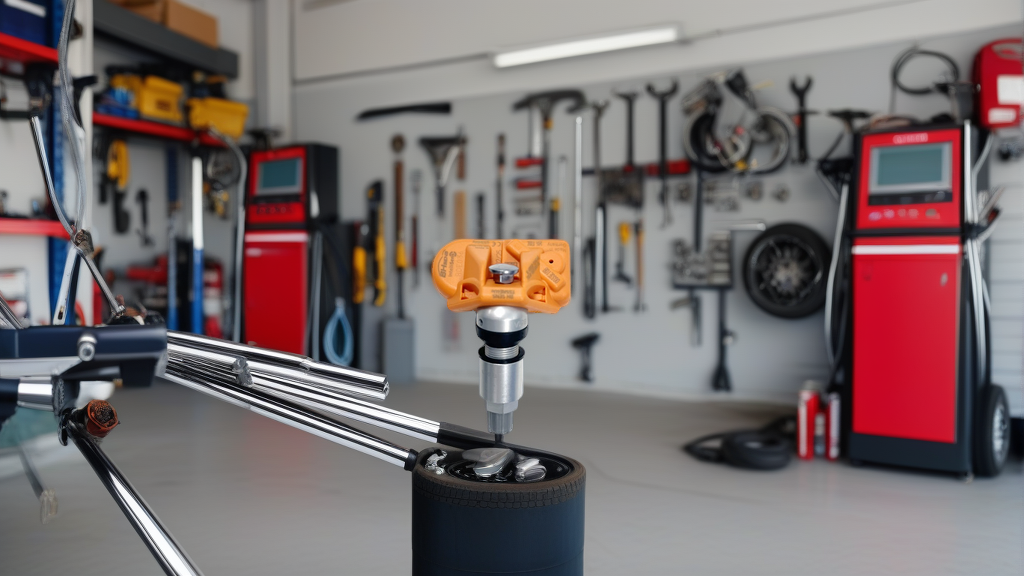
Why S Models Need Specific TPMS Handling
S vehicles (including Alfa Romeo, Chrysler, Dodge, and others) use a direct TPMS system that relies on precise sensor-to-module communication. The BH-Sens RDE036V21 sensor (SKU: RDE036V21) is a direct OE replacement for multiple S platforms, but installation mistakes can cause false warnings, leaks, or sensor failure within weeks. The most common issues we see in the shop come down to three things: torque abuse, dirty valve seats, and incorrect programming.
Critical Torque Specifications for BH-Sens Sensors
Using a torque wrench is not optional. S vehicles have specific torque windows that differ from generic aftermarket sensors.
| Component | Torque Range | Tool | Notes |
|---|---|---|---|
| Sensor-to-valve stem nut | 35–40 in-lbs (4–5 Nm) | ¼-inch drive torque wrench | Over-tightening cracks the sensor body |
| Valve stem core | 2–5 in-lbs (0.2–0.6 Nm) | Valve core tool | Hand-tight + ⅛ turn is safer |
| Lug nuts (when removing wheel) | Follow vehicle manual | ½-inch drive torque wrench | Typically 80–100 ft-lbs for S cars |
| Tire bead seal (at re-install) | N/A | Tire machine | Avoid bead damage near sensor pocket |
Why torque matters: The BH-Sens sensor housing is made of reinforced plastic. At 45 in-lbs, the internal threads can strip. At 50+ in-lbs, the housing cracks. We have replaced dozens of sensors that were “tightened until snug” by mechanics who didn’t use a torque wrench.
Valve Stem Service: The Overlooked Failure Point
On S vehicles, the valve stem assembly includes a rubber gasket and a metal washer. Here’s what goes wrong:
- Reusing the old gasket – The gasket compresses over time. A reused gasket will leak within 6 months. Always install the new gasket that comes with the sensor.
- Cross-threading the valve stem nut – The nut is fine-threaded. Start it by hand, then torque. If you feel resistance before it’s flush, back it out and re-thread.
- Forgetting the valve core – Some installers leave the core loose or overtighten it. A loose core causes slow leaks; an overtightened core can shear the valve stem.
Pro tip: After installing the sensor, spray soapy water on the valve stem base and core. If you see bubbles, re-torque or replace the gasket. This 30-second check saves a comeback.
Common Installation Mistakes (And How to Avoid Them)
1. Programming the Wrong ID
Many S vehicles require the sensor ID to be learned via a TPMS tool. If you install a new BH-Sens sensor but don’t register its ID, the TPMS light will stay on. Use a compatible tool (Autel, Bartec, or Snap-on) to enter learn mode and trigger each sensor.
2. Using Impact Tools Near the Sensor
Never use an impact wrench on the sensor nut or valve stem. Even a momentary burst can over-torque. Hand tools only, with a torque wrench for final tightening.
3. Ignoring the Tire’s “Sensor Pocket”
Some tire designs have a recessed pocket for the sensor. If the tire is mounted with the sensor misaligned, the bead can pinch the sensor body. When mounting, align the sensor with the tire’s mark (usually a triangle or dot) and ensure the sensor is fully seated before inflation.
4. Installing on a Non-S Compliant Wheel
The RDE036V21 fits most S vehicles from 2008–2022, but some aftermarket wheels have thicker valve stem holes. If the hole diameter exceeds 0.625 inches (15.9 mm), you’ll need a metal valve stem adapter. Check the wheel before installation.
Fitment Overview for BH-Sens RDE036V21
This sensor replaces OE numbers including 0045400217, 05154876AA, 407005DA0C, and 684065. It covers:
| Make | Model Years | Notes |
|---|---|---|
| Alfa Romeo | 2017–2022 | Giulia, Stelvio, Tonale |
| Chrysler | 2008–2023 | 300, Pacifica, Town & Country |
| Dodge | 2008–2023 | Charger, Challenger, Durango |
| Jeep | 2011–2023 | Grand Cherokee, Wrangler JL |
| Ram | 2013–2023 | 1500, 2500, ProMaster |
| Aston Martin | 2016–2022 | DB11, Vantage, DBS |
| BAIC | 2019–2023 | X55, BJ40 |
Check your vehicle’s TPMS system frequency—most North American S models use 433MHz, but some late-model imports may use 315MHz. The BH-Sens RDE036V21 is 433MHz only.
Recommended Part
For a direct-fit replacement on S vehicles, use the RDE036V21 | BH-Sens 433MHz TPMS Tire Pressure Sensor | Fits Alfa Romeo, Aston Martin, BAIC, Chrysler, Dodge & 8 More | OE# 0045400217, 05154876AA, 407005DA0C. It comes pre-programmed with OE IDs for most Chrysler, Dodge, Jeep, and Alfa models, but you’ll still need to trigger the learn process after installation.
FAQ
Can I install this sensor without a TPMS tool?
No. You need a TPMS tool to trigger the sensor during the learn process. Without it, the vehicle won’t recognize the new sensor ID, and the TPMS light will stay on. Some shops charge $20–40 to do this, or you can buy a compatible tool for around $100.
How long do BH-Sens sensors typically last?
The internal battery is rated for 5–7 years under normal driving conditions. Cold climates and frequent off-road use can reduce battery life to 4–5 years. When the battery dies, the sensor must be replaced—it is not user-serviceable.
Can I mix this sensor with OEM sensors on the same vehicle?
Yes, as long as all sensors operate at 433MHz and have compatible IDs. The BH-Sens RDE036V21 is designed to match OE characteristics. However, for best reliability, replace all four sensors at once. Mixing old and new can cause inconsistent readings as batteries age at different rates.
What if the valve stem leaks after installation?
First, check the valve core—tighten it to 2–5 in-lbs. If it still leaks, remove the wheel and inspect the rubber gasket. It should be clean and seated evenly. If the gasket is pinched or torn, replace it. Never use thread tape on the valve stem threads; it can cause false seals and sensor damage.