
TAYRON GTE TPMS Installation & Torque Specs: A Technician’s Guide
Quick AnswerWhen installing TPMS sensors on the TAYRON GTE TAYRON GTE, always use a calibrated torque wrench and tighten the clamp-in sensor nut to the…
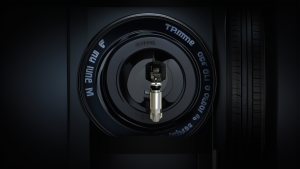
Quick AnswerWhen installing TPMS sensors on the TAYRON GTE TAYRON GTE, always use a calibrated torque wrench and tighten the clamp-in sensor nut to the…
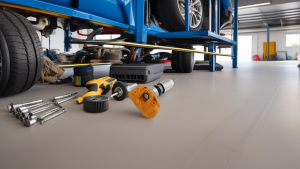
Quick AnswerClamp-in TPMS sensors typically torque to roughly 3–5 N·m (26–44 in-lb) at the stem nut and 0.2–0.4 N·m (2–4 in-lb) at the valve core…
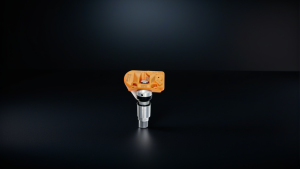
Quick AnswerPACEMAN (MINI Paceman) uses clamp-in TPMS sensors, so the metal valve stem nut takes only a light torque — typically in the 3.5–5 Nm…

Quick AnswerClamp-in TPMS sensors need a brand-new rubber service kit every time and a stem nut tightened to roughly 4–6 N·m (35–53 lb-in) with a…
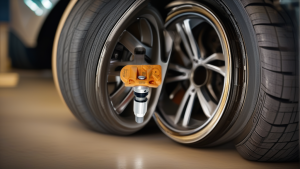
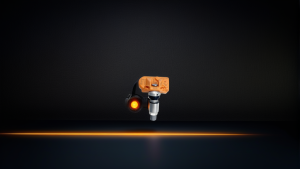
Quick AnswerInstalling a TPMS sensor on a Mini is straightforward, but the details matter. Tighten the sensor retaining nut to the wheel-specific torque range (usually…

Quick AnswerFor EQG vehicles, TPMS sensor installation relies on correct torque, fresh seals, and careful valve stem handling. Use a calibrated torque wrench at the…

Quick AnswerInstalling a TPMS sensor on a Bugatti requires the same care as any high-end vehicle, but torque specs and valve stem handling are critical.…
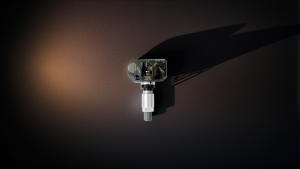
Quick AnswerUse a torque wrench at 8–12 Nm (70–106 in-lb) for clamp-in TPMS retaining nuts on this platform — never guess by feel. Replace the…

Quick AnswerInstall a clamp-in TPMS sensor like the BH-Sens BL-ST-031 on a LAMORE by tightening the valve stem nut to about 10–15 ft-lb (not hard),…