
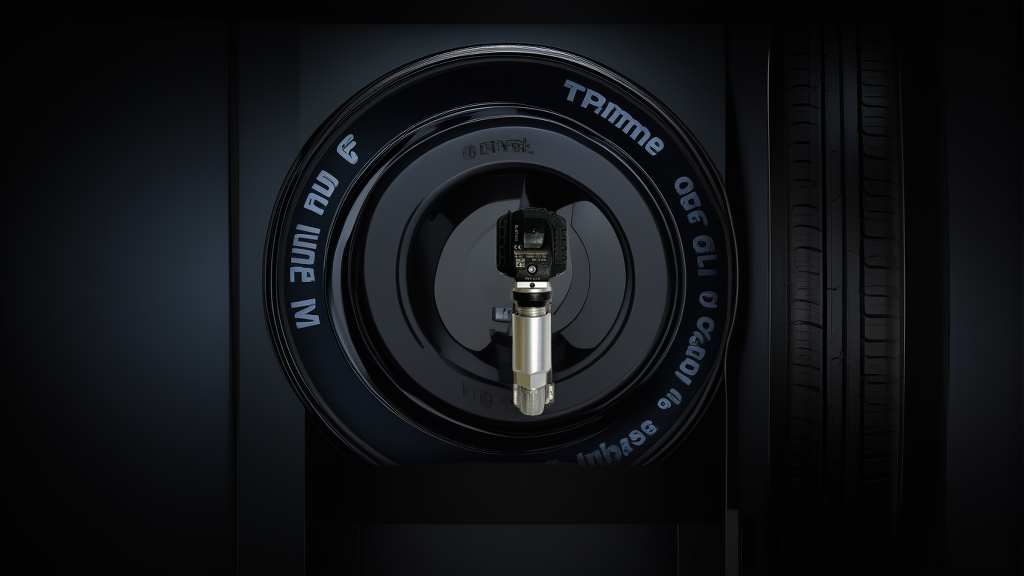
The TAYRON GTE runs a direct TPMS system that reports real-time pressure and temperature data to the dashboard. Unlike indirect systems that piggyback on ABS wheel speed sensors, direct TPMS uses battery-powered sensors mounted inside each wheel. That means every tire change, rotation, or sensor replacement is a chance to get the install right—or create a comeback.
Here’s what actually matters when you’re working on these wheels.
Why Torque Specs Matter on TPMS Installations
TPMS sensors aren’t lug nuts. They’re precision electronics sitting inside a pressurized environment, and the clamp-in valve stem is the only thing holding them in place. Over-torque the retaining nut and you’ll crush the rubber grommet, crack the sensor housing, or strip the valve stem threads. Under-torque it and you’ll get a slow leak that the customer won’t notice until the warning light comes back on.
Most clamp-in TPMS sensors—including the BH-Sens units used across many Bestune, FAW, and Hongqi platforms—call for a torque spec in the 4–6 Nm (35–53 in-lbs) range. Some manufacturers spec slightly higher, some slightly lower. The point is: don’t guess. Check the service data for the specific vehicle.
Torque Reference Table
| Fastener | Typical Spec Range | Notes |
|---|---|---|
| Valve stem retaining nut | 4–6 Nm | Verify against vehicle service manual |
| Valve core | 0.25–0.4 Nm | Snug only; overtightening deforms the seal |
| Valve cap | Hand-tight | Plastic caps: finger tight only |
| Wheel lug nuts | 110–140 Nm | Varies by model; always check |
If you don’t have a torque wrench small enough for the valve stem nut, get one. A 1/4″ drive inch-pound wrench covers this range perfectly.
Valve Stem Service: Don’t Skip the Kit
Every time you remove and reinstall a clamp-in TPMS sensor, the rubber grommet, washer, and nut should be replaced. The grommet compresses over time and takes a set. Reusing it is asking for a leak.
Service kits are cheap. Comebacks are not.
When installing:
- Clean the valve stem hole in the wheel. Any corrosion or debris will prevent the grommet from sealing properly.
- Lubricate the grommet with a small amount of tire mounting lube or soapy water—never petroleum-based products.
- Insert the sensor from inside the wheel, then slide the grommet, washer, and nut over the stem from outside.
- Torque the nut to spec while holding the sensor body steady to prevent it from spinning.
- Check for leaks by submerging the valve stem in water or using soapy water before mounting the tire.
Common Installation Mistakes (And How to Avoid Them)
1. Over-Tightening the Valve Stem Nut
This is the number one killer of TPMS sensors. The nut feels loose, so the tech keeps cranking. Next thing you know, the sensor body is cracked, or the grommet is deformed and leaking. Use a torque wrench. Every time.
2. Reusing Old Service Kits
The rubber grommet is a wear item. It’s exposed to pressure, temperature cycling, and ozone. A $3 service kit saves a $60 sensor and an unhappy customer.
3. Forgetting the Relearn Procedure
After installing a new sensor, the vehicle needs to learn its ID and position. On many FAW and Bestune platforms, this requires a scan tool or an activation tool that triggers the sensor and writes the ID to the ECU. Driving the car won’t always do it.
4. Mixing Up Sensor Positions
If you’re installing four sensors, make sure each one goes to the correct corner. Some sensors are position-specific; others are universal but still need to be registered in the right location during the relearn.
5. Damaging the Sensor During Tire Mounting
The drop center of the wheel is where the sensor sits. If the tire iron or mounting head passes over that area carelessly, it can clip the sensor. Use a tire changer with a plastic or guarded head, and position the sensor opposite the mounting point.
Pre-Programmed Sensors: A Time-Saver
If you’re working on a Bestune, FAW, or Hongqi vehicle, pre-programmed sensors like the BH-Sens 433MHz unit (BL-ST-040 | BH-Sens 433MHz TPMS Tire Pressure Sensor | Fits Bestune, FAW, Hongqi | OE# 3602100FD, 3602100FDA, 3778080DB01A) eliminate the need to clone or program IDs manually. They come ready to activate and relearn. That said, you still need to perform the vehicle-side relearn procedure to register them with the ECU.
Recommended Part
For TAYRON GTE and other compatible FAW, Bestune, and Hongqi models, the BL-ST-040 | BH-Sens 433MHz TPMS Tire Pressure Sensor (BL-ST-040 | BH-Sens 433MHz TPMS Tire Pressure Sensor | Fits Bestune, FAW, Hongqi | OE# 3602100FD, 3602100FDA, 3778080DB01A) is a direct-fit, clamp-in, pre-programmed option. It cross-references OE numbers 3602100FD, 3602100FDA, 3778080DB01A, and others. Brand is BH-Sens (Baolong Technology)—a name that’s been in the TPMS game long enough to know what works.
FAQ
What torque should I use on TAYRON GTE TPMS valve stem nuts?
Most clamp-in TPMS sensors spec between 4–6 Nm. Always confirm with the vehicle’s service manual or the sensor manufacturer’s instructions. If you can’t find the spec, 4–5 Nm is a safe range for most applications—but never exceed 6 Nm.
Do I need to replace the service kit every time I install a sensor?
Yes. The rubber grommet, washer, and nut are single-use items. They deform under compression and won’t seal reliably if reused. A new service kit costs a few dollars and prevents leaks.
Can I install a TPMS sensor without a relearn tool?
You can physically install it, but the vehicle won’t recognize it until a relearn is performed. Some vehicles will auto-learn after driving, but many FAW and Bestune models require a scan tool or activation tool to write the sensor ID to the ECU.
How long do TPMS sensors last?
Battery life is typically 5–10 years depending on usage and environmental conditions. When the battery dies, the whole sensor needs replacement—the batteries aren’t serviceable.