
Understanding TPMS Sensor Compatibility for Eπ Vehicles
Eπ is a rapidly growing Chinese EV brand known for its intelligent driving systems and advanced chassis electronics. Like most modern vehicles, Eπ models rely on direct TPMS sensors mounted inside each wheel to monitor tire pressure in real time. When replacing a dead or damaged sensor, you cannot simply pick any universal unit—the sensor must match the vehicle’s communication protocol and frequency.
Frequency Matters: Why 433MHz is Standard for Eπ
Most Eπ models—including the Eπ 007, Eπ 008, and the upcoming Eπ SUV variants—use a 433MHz TPMS system. This frequency is shared across the broader Dongfeng Motor Group platform, which also includes Aeolus, Mhero, Nammi, and Voyah vehicles. If you install a 315MHz or other frequency sensor, your Eπ’s dashboard will either display a permanent warning light or fail to register the sensor altogether.
Quick check: Look at your old sensor’s label. If it shows 433MHz, you are on the right track. If you are unsure, consult the vehicle’s service manual or contact your local Eπ dealer.
What to Check Before Ordering a Replacement Sensor
Before clicking “buy,” take these three steps to avoid returns and installation headaches.
1. Verify the OE Part Number
Each Eπ TPMS sensor carries a unique OEM part number stamped on the housing. The most common numbers for Eπ models are E300019160, E300020260, and H56A7920001AC. These numbers correspond to specific sensor generations and valve stem designs.
How to find it: Remove the sensor from the wheel (or use a smartphone camera to photograph it through the valve stem area). Match the number exactly. If you cannot remove the sensor, check your vehicle’s spare parts catalog or ask a mechanic to read the sensor ID via a TPMS diagnostic tool.
2. Clamp-in vs. Snap-in: Which Design Does Your Eπ Use?
Eπ vehicles use clamp-in sensors exclusively. Clamp-in sensors are secured with a metal nut and rubber grommet, making them more durable and less prone to leakage than snap-in designs. If a seller offers a snap-in sensor for your Eπ, it is likely a universal substitute that may not seal properly in the factory wheel.
3. Pre-programmed vs. Programmable: Which One to Choose
- Pre-programmed sensors come ready to install. They match the Eπ communication protocol out of the box. You simply install them and let the vehicle relearn the sensor IDs (either through auto-relearn or a TPMS tool).
- Programmable sensors require a separate programming tool to copy the OE sensor’s ID. This adds labor time and potential error.
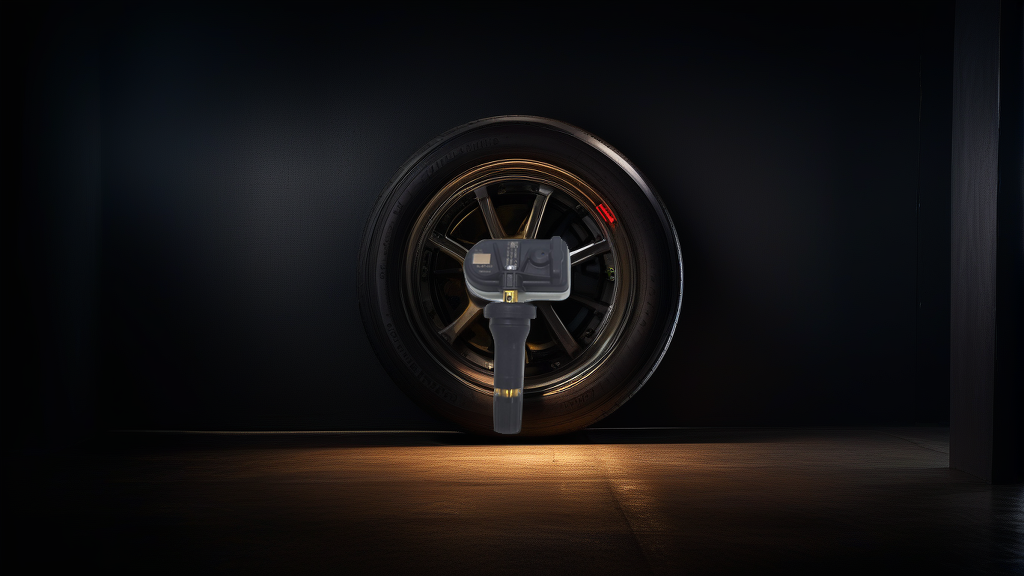
For most Eπ owners, pre-programmed sensors are the better choice. The BL-ST-063 | BH-Sens 433MHz TPMS Tire Pressure Sensor | Fits Aeolus, Eπ, Mhero, Nammi, Voyah | OE# E300019160, E300020260, H56A7920001AC is a pre-programmed 433MHz clamp-in sensor that directly replaces the factory unit without additional programming steps.
4. Check the Valve Stem Material
Eπ wheels typically use rubber valve stems with metal cores. If you are ordering bulk sensors for a fleet, confirm that the valve stem material matches your climate and road conditions. Stainless steel stems offer longer life in salted-road environments, while brass stems are standard for most factory replacements.
B2B Bulk Buying Notes for Eπ TPMS Sensors
If you are purchasing for a repair shop, dealership, or fleet, consider these factors before placing a large order.
Batch Consistency and Quality Control
China-sourced TPMS sensors from reputable factories like BH-Sens (Baolong Technology) undergo strict quality control, but it is still wise to request a small sample batch (5–10 units) before committing to hundreds. Test each sample on a real Eπ vehicle to verify:
- Signal strength and range
- Temperature compensation accuracy
- Valve stem seal integrity under pressure
OE Number Cross-Reference Table
| OE Part Number | Vehicle Application | Frequency | Sensor Type | Notes |
|---|---|---|---|---|
| E300019160 | Eπ 007, Eπ 008 (2023–2025) | 433MHz | Clamp-in, pre-programmed | Shared with Aeolus and Voyah |
| E300020260 | Eπ 008, Eπ SUV (2024–2025) | 433MHz | Clamp-in, pre-programmed | Updated valve stem design |
| H56A7920001AC | Eπ 007, Mhero 917 | 433MHz | Clamp-in, pre-programmed | Also fits Nammi 01 |
Minimum Order Quantities and Lead Times
Most Chinese TPMS factories require a minimum order quantity (MOQ) of 50–100 units for bulk pricing. Lead times typically range from 10 to 20 working days for stock items. Custom branding or packaging adds 5–7 days. Plan your inventory accordingly to avoid stockouts during peak seasons.
Warranty and Return Policy
Always confirm the warranty terms before paying. Reputable suppliers offer a 12–24 month replacement warranty for manufacturing defects. Avoid suppliers who refuse to cover sensor failures caused by improper installation (e.g., overtightening the valve stem nut).
Recommended Part for Eπ TPMS Replacement
For a direct, hassle-free replacement on your Eπ, the BL-ST-063 | BH-Sens 433MHz TPMS Tire Pressure Sensor | Fits Aeolus, Eπ, Mhero, Nammi, Voyah | OE# E300019160, E300020260, H56A7920001AC is a reliable choice. It is manufactured by BH-Sens (Baolong Technology), a Tier 1 supplier to Chinese OEMs, and comes pre-programmed with the correct 433MHz frequency. It fits Eπ models alongside Aeolus, Mhero, Nammi, and Voyah, making it a versatile option for multi-brand workshops.
FAQ
Can I use a universal TPMS sensor on my Eπ?
Universal sensors often require programming with a TPMS tool to match the vehicle’s protocol. While possible, they introduce an extra step and may not support the exact pressure and temperature reporting accuracy required by Eπ’s electronic stability system. Pre-programmed OE-fit sensors are strongly recommended.
How do I relearn new TPMS sensors on an Eπ?
Eπ vehicles use an automatic relearn process in most models. After installing new sensors, drive the vehicle above 25 km/h (15 mph) for 10–15 minutes. The system will automatically detect and register the new sensor IDs. If the warning light persists, use a TPMS diagnostic tool to manually trigger relearn.
What is the typical lifespan of a TPMS sensor on an Eπ?
Most factory TPMS sensors last 5–7 years, depending on battery quality and operating temperature. Eπ vehicles operating in extreme heat (above 50°C) or cold (below -20°C) may experience reduced battery life. Replace all four sensors simultaneously to avoid staggered failures.
Are BH-Sens sensors the same as genuine Eπ parts?
BH-Sens (Baolong Technology) is an original equipment supplier for Dongfeng Motor Group, which manufactures Eπ vehicles. Their aftermarket sensors use the same components and calibration as the genuine parts, but without the official Eπ branding. They are functionally identical and cost significantly less.