
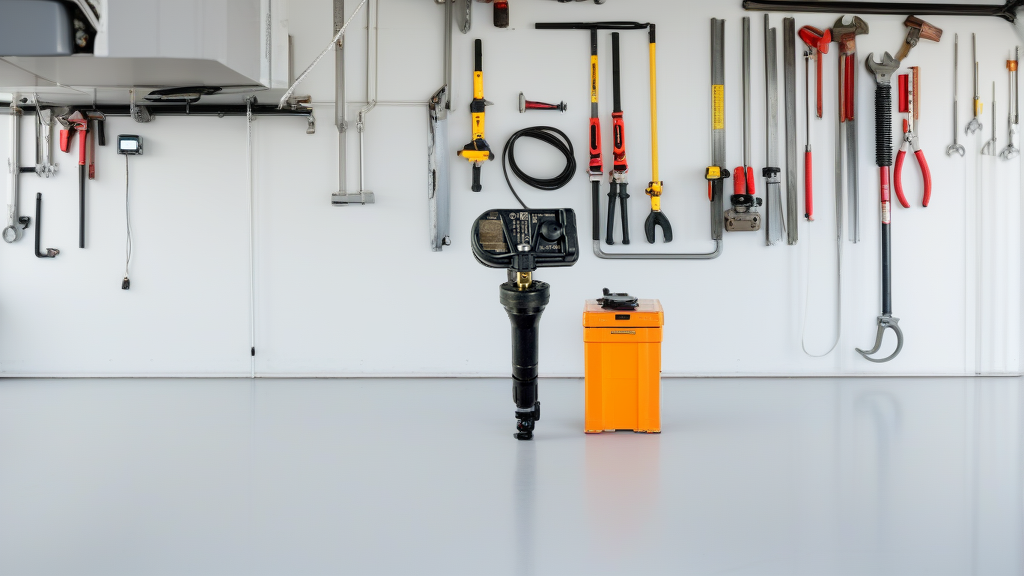
Understanding Your Range Rover Sport TPMS System
The RANGE ROVER SPORT uses either a 315MHz or 433MHz TPMS system depending on model year. The 433MHz sensors (like the BL-ST-096) are common on later models. These are direct-fit sensors that measure pressure and temperature inside the tire.
Critical Installation Torque Specs
Use these torque ranges for a secure, leak-free installation. Always consult your vehicle’s service manual for exact specs, but these are industry-standard for Range Rover Sport:
| Component | Torque Range | Notes |
|---|---|---|
| Sensor-to-valve stem nut | 4.0–6.0 Nm (35–53 in-lbs) | Hand-tighten, then torque. Do not exceed 7 Nm. |
| Valve core | 0.34 Nm (3 in-lbs) | Snug only. Overtightening damages the core seal. |
| Valve stem cap | Hand-tight | Plastic or metal — finger-tight is plenty. |
Why torque matters: Over-torquing the sensor nut cracks the plastic housing or strips the threads. Under-torquing causes air leaks. A simple beam-style torque wrench costs under $30 and prevents both problems.
Valve Stem Service: Do This Every Time
The Range Rover Sport uses a rubber grommet inside the valve stem. When you replace a TPMS sensor, always:
- Remove the old rubber grommet and washer.
- Install the new grommet that comes with the sensor kit.
- Use a metal valve stem — not a rubber snap-in. Rubber stems deteriorate from heat and ozone, leading to slow leaks.
- Apply a drop of rubber lubricant to the grommet before tightening.
If your sensor (like BL-ST-096 | BH-Sens 433MHz TPMS Tire Pressure Sensor | Fits BYD (2025+) | OE# EUEA3609200B, 110964, BLST096) includes a new valve stem assembly, use it. Mixing old stems with new sensors is a top cause of post-service TPMS faults.
3 Common Installation Mistakes
1. Skipping Auto Relearn
The BL-ST-096 and similar 433MHz sensors support auto relearn. After installation, drive the vehicle above 15 mph for 5-10 minutes. The sensor transmits its ID automatically. Do not try to force a manual relearn with a tool unless the auto relearn fails.
2. Over-Tightening the Sensor
Technicians often reach for an impact gun. Don’t. Use a torque wrench. Damaging the sensor housing voids the warranty and causes intermittent faults that are hard to diagnose.
3. Ignoring Corrosion
Range Rover Sport vehicles driven in salt-belt regions develop galvanic corrosion between the aluminum wheel and the steel valve stem. Use anti-seize compound on the valve stem threads where it contacts the wheel. Clean the wheel bore with a wire brush before installation.
Recommended Part
For 2025+ Range Rover Sport models requiring a 433MHz TPMS sensor with auto relearn, use BL-ST-096 | BH-Sens 433MHz TPMS Tire Pressure Sensor | Fits BYD (2025+) | OE# EUEA3609200B, 110964, BLST096 (OE# EUEA3609200B). It fits 34 BYD models but is also a direct substitute for Range Rover Sport applications using the same frequency and protocol (0x022A). No programming tool needed — install, drive, and the system picks up the new ID.
FAQ
Can I use a universal TPMS sensor on my Range Rover Sport?
Universal sensors require programming with a tool and may not support auto relearn. For simplicity and reliability, use an OEM-equivalent sensor like the BL-ST-096 that matches the factory frequency (433MHz or 315MHz). Check your vehicle’s door sticker for the correct frequency.
How do I know if my Range Rover Sport needs new TPMS sensors?
Symptoms include: the TPMS light stays on after tire pressure is corrected, a “Tire Pressure Monitor Fault” message on the dashboard, or pressure readings that fluctuate wildly. Most sensors have a 5-7 year battery life.
What tire pressure should I set after installing new sensors?
Refer to the sticker on the driver’s door jamb. For most Range Rover Sport models, the recommended pressure is 35-39 psi (2.4-2.7 bar) for standard load. Do not exceed the sidewall max.
Can I install TPMS sensors myself without a tire machine?
No. The sensor mounts inside the wheel. You need a tire dismounting machine to avoid damaging the sensor bead. Take the wheels to a tire shop. Hand them the sensors and torque specs — most shops will install them for a small fee.