
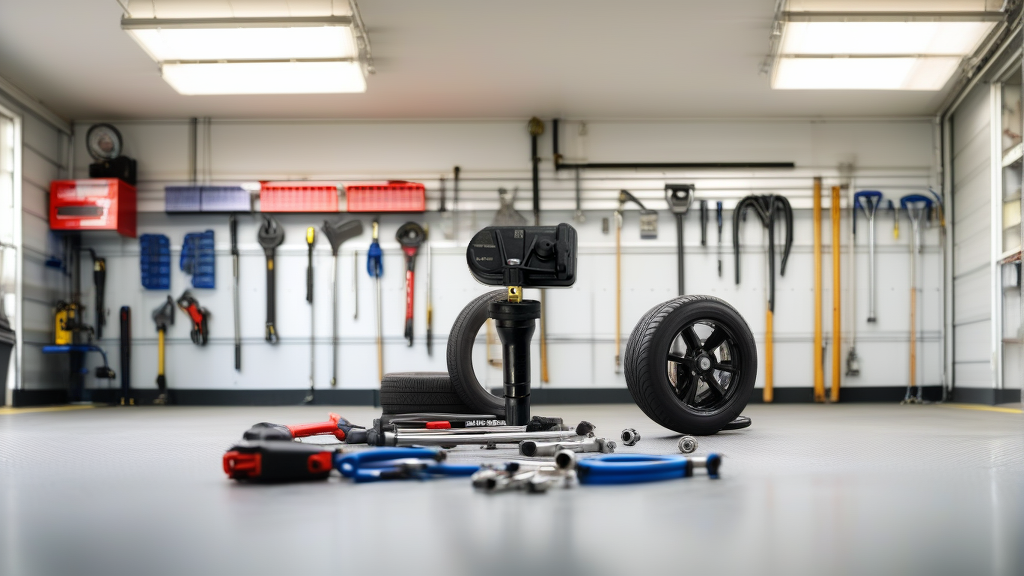
Why Your Fengon’s TPMS System Needs Extra Attention in Winter
Fengon vehicles—particularly the Fengon 580, 560, and Glory series—use a direct TPMS system that measures actual pressure and temperature inside each tire. Unlike indirect systems that rely on ABS wheel speed sensors, direct sensors require a functional transmitter in every wheel. When you swap to winter tires, you have two choices: transfer the existing sensors to the winter set, or install a dedicated second set. For owners swapping wheels themselves, using a 433MHz sensor like the BL-ST-066 | BH-Sens 433MHz TPMS Tire Pressure Sensor | Fits Fengon, Ineos, Infiniti, Mitsubishi, Nammi & 4 More | OE# 3641050RD01, 407002GL0A, 407002GN0A ensures plug-and-play compatibility with Fengon’s factory receiver.
The critical difference in winter? Temperature swings. A Fengon parked overnight at -10°F will show pressures 5-7 PSI lower than at 70°F. If you set pressures on a warm garage floor (say 60°F) and then drive into 20°F air, the TPMS light will almost certainly trigger. This isn’t a sensor fault—it’s physics. Nitrogen fill or not, the pressure-temperature relationship is predictable: roughly 1 PSI per 10°F change.
Step-by-Step: Winter Tire Change with TPMS Sensors
1. Verify Sensor Compatibility Before Mounting
Fengon uses a standardized 433MHz protocol, but not all aftermarket sensors work. The BH-Sens BL-ST-066 (OE cross: 3641050RD01, 407002GL0A, 407002GN0A) is designed specifically for this platform. Before having tires mounted:
- Check that the sensor is clamp-in (rubber stem sensors are not original equipment for Fengon)
- Confirm the torque spec for the sensor nut—typically 4-5 Nm (35-44 in-lb) but verify with your tire shop
- Request a new seal kit (valve core, gasket, nut) for each sensor if reusing existing ones
2. Proper Sensor Programming After Mounting
Most Fengon models require a TPMS relearn after wheel rotation or sensor replacement. The procedure varies by model year:
- 2016-2020 Fengon 580: Use a TPMS activation tool at each sensor in sequence (driver front → passenger front → passenger rear → driver rear). The horn honks to confirm.
- 2021+ models: Some support auto-relearn after driving above 15 mph for 10 minutes. Others still need manual activation.
If you’re installing the BL-ST-066 sensors, they come pre-programmed with the correct ID format for Fengon. No cloning needed—just install, activate, and drive.
3. Pressure Settings for Cold Weather
| Condition | Recommended Pressure (PSI) | Notes |
|---|---|---|
| Door sticker (70°F garage) | 33-36 PSI | Base recommendation |
| Winter set (set at 20°F) | 36-40 PSI | Compensates for cold soak |
| After 50-mile highway drive | 38-42 PSI | Normal heat buildup |
| TPMS warning threshold | Below 28 PSI | System triggers at ~25% below spec |
Practical tip: On a Fengon 580 (curb weight ~3,500 lbs), I recommend setting winter pressures 4 PSI higher than the door sticker. This ensures the TPMS light doesn’t come on during the first cold morning. Do not exceed the tire’s sidewall max pressure.
Storing Summer Wheels with TPMS Sensors
Temperature and Humidity Control
TPMS sensor batteries (typically lithium CR2032 or CR2450) degrade faster in heat. Storage above 120°F (direct sun, attic, or near furnace) can cut battery life from 5-7 years to 2-3 years. Ideal storage:
- Temperature: 40-80°F
- Humidity: Below 60% relative
- Location: Basement, climate-controlled garage, or interior closet
Physical Protection
- Remove the wheel weights if possible (lead tape can corrode and damage the sensor if left for months)
- Install plastic valve stem caps with sealing O-rings—prevents moisture from entering the sensor
- Stack wheels horizontally or stand them vertically on edge. Never stack more than 4 high, as the bottom wheels’ sensors can be crushed
Battery Preservation
TPMS sensors enter a low-power “sleep mode” when stationary for 15-30 minutes. Storing them off the vehicle will not drain the battery faster than on the vehicle. However, if you store wheels in a metal container or near large metal objects, the RF signal can be blocked during testing—not a concern for storage, but relevant if you try to check sensor status without mounting.
Common Fengon TPMS Issues in Winter
False Low-Pressure Warnings
If your Fengon shows “TPMS Fault” but tires look fine, suspect:
- Temperature differential: Left and right tires in different sun/shade positions can show 3-4 PSI difference
- Sensor battery voltage drop: Cold reduces battery output. A sensor near end-of-life may fail to transmit at -20°F
- Wheel corrosion: Fengon’s aluminum wheels (especially on 580 models) can corrode around the valve stem hole, causing slow leaks
Relearn Failures
Winter wheel swaps often trigger relearn issues because:
- The activation tool fails in extreme cold (keep tool in your pocket to warm it)
- Snow or ice on the sensor face blocks the RF signal
- Aftermarket sensors not programmed to Fengon’s protocol (the BL-ST-066 is pre-configured, but generic “433MHz” sensors may not work)
Recommended Part for Fengon Winter Tire Sets
If you’re building a dedicated winter wheel set, the BH-Sens BL-ST-066 is the smart choice. It’s a direct OE replacement for Fengon, Ineos, Infiniti, Mitsubishi, Nammi, and four other models. Key specs:
- Frequency: 433MHz (exact match for Fengon)
- Type: Clamp-in, programmable
- OE cross-reference: 3641050RD01, 407002GL0A, 407002GN0A, 407002GX0A, 407002JD0A, 407003VU0A, 407004CB0A, 407004CB0B, 407005663R, 407006UA0A
Purchase a set of four BL-ST-066 | BH-Sens 433MHz TPMS Tire Pressure Sensor | Fits Fengon, Ineos, Infiniti, Mitsubishi, Nammi & 4 More | OE# 3641050RD01, 407002GL0A, 407002GN0A before your next tire swap. They pair with any standard TPMS activation tool and require no special adapters for Fengon.
FAQ
Will my Fengon’s TPMS light turn on if I don’t install sensors in the winter tires?
Yes. The system will detect missing sensor signals after driving above 15 mph for 5-10 minutes. The TPMS warning light will stay solid, and some models show “Tire Pressure System Fault” on the dash. This also disables other safety systems like stability control in some Fengon variants. Install sensors in every wheel.
Can I use 315MHz sensors instead of 433MHz on my Fengon?
No. Fengon’s TPMS receiver is tuned to 433MHz. Installing 315MHz sensors will result in no signal reception. The TPMS light will flash for 60-90 seconds at startup, then stay solid. You’ll need to replace them with correct 433MHz units like the BL-ST-066.
How do I know if a TPMS sensor battery is dead before winter?
Use a TPMS scan tool (most tire shops have one) to read sensor status. A healthy sensor shows battery voltage above 2.8V. Below 2.5V means replacement within 12 months. You can also check by monitoring pressure readings—if one tire consistently shows “—” or takes longer to update after inflation, the battery is weak.
Should I deflate tires when storing summer wheels over winter?
No. Store tires at the normal inflation pressure (33-36 PSI). Deflating can cause sidewall cracking and makes remounting more difficult. Just check pressure every 2-3 months and top up if needed. Protect the valve stem with a cap to prevent dust and moisture entry.