
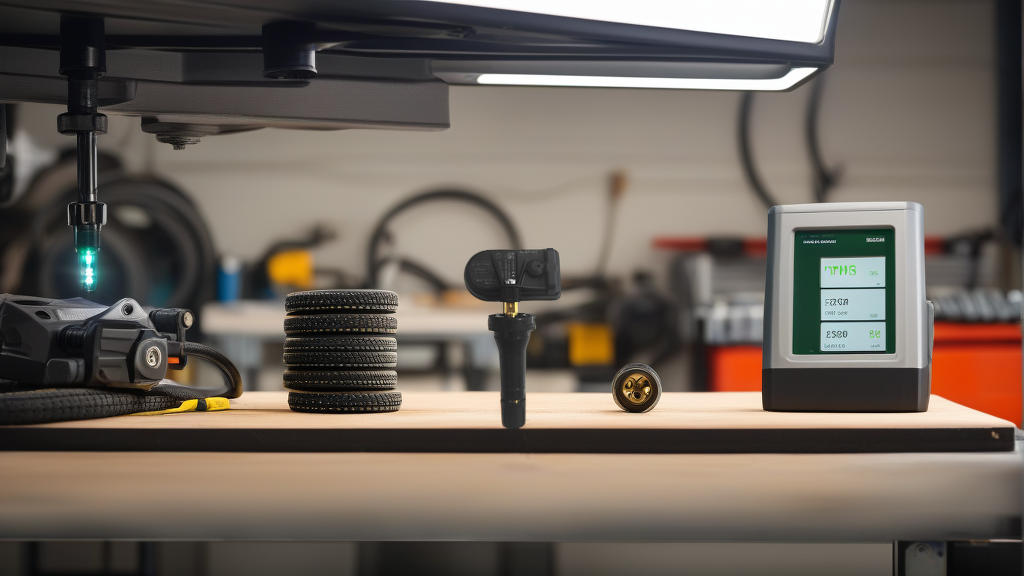
Technical Specifications Breakdown
Frequency Band: 433MHz vs. 315MHz
COSMOS vehicles sold in global markets (including Asia, Europe, and the Middle East) use the 433MHz ISM band for TPMS communication. Unlike North American vehicles that typically operate on 315MHz, the 433MHz frequency provides:
- Better obstacle penetration — crucial for COSMOS models with aluminum body panels or dense under-hood wiring.
- Longer transmission range — up to 10 meters line-of-sight compared to 6–8 meters for 315MHz.
- Lower interference risk — fewer consumer devices occupy the 433MHz band in most regions.
The BL-ST-085 sensor operates exclusively on 433MHz, matching the OEM receiver module in your Leapmotor. Using a 315MHz sensor will result in no signal reception — no warning lights, no pressure data.
Battery Life: What to Expect
The BH-Sens sensor uses a lithium manganese dioxide coin cell (typically CR2450 or equivalent) rated for 5–7 years under normal driving conditions. Key factors affecting lifespan:
| Factor | Impact on Battery Life |
|---|---|
| Daily driving distance (km) | Longer drives = more transmissions = slight reduction |
| Ambient temperature extremes | -20°C to +85°C operating range; sustained heat above 60°C accelerates discharge |
| Transmission interval | 60–90 seconds when parked, every 30 seconds at speed above 25 km/h |
| Low-battery warning threshold | Typically 2.6V — below this, the sensor triggers a dashboard warning |
Practical tip: If your COSMOS TPMS warning light flashes intermittently before staying solid, check battery voltage with a TPMS diagnostic tool. Replace all four sensors at once when one fails to avoid staggered replacements.
IP Rating: IP67 Explained
IP67 means the sensor is:
- 6 — Fully dust-tight (no dust ingress after 8 hours in a dust chamber)
- 7 — Protected against temporary immersion in water up to 1 meter depth for 30 minutes
This rating is standard for clamp-in TPMS sensors. The valve stem sealing washer and housing are injection-molded with a silicone gasket. After 5+ years, this gasket can harden — always replace the sealing kit (valve core, cap, and washer) when installing new sensors.
Protocol Compatibility
COSMOS vehicles use a proprietary TPMS protocol that is not cross-compatible with universal aftermarket sensors without programming. The BL-ST-085 is:
- Pre-programmed with the correct ID format and communication protocol for Leapmotor OE# 8083010BA01
- Clamp-in design — fits standard 11.5mm valve holes on aluminum or steel wheels
- Weight approximately 1 oz (28g) — negligible effect on wheel balancing
Do not attempt to clone IDs from old sensors unless you have a compatible TPMS tool that supports COSMOS protocols. A simple relearn procedure (available in your owner’s manual) is usually sufficient after installation.
Recommended Part
For a direct OE replacement on your COSMOS Leapmotor, use the BL-ST-085 | BH-Sens 433MHz TPMS Tire Pressure Sensor | Fits Leapmotor | OE# 8083010BA01 — it matches the 433MHz frequency, battery chemistry, and physical dimensions of the original Baolong sensor.
FAQ
Can I use a 315MHz TPMS sensor on my COSMOS vehicle?
No. The TPMS receiver module in COSMOS vehicles is tuned exclusively for 433MHz. A 315MHz sensor will not communicate — no pressure data, no warning lights. Always verify your vehicle’s frequency band before purchasing.
How do I know when the TPMS battery is dying?
Look for a dashboard warning light that flashes for 60–90 seconds after starting the engine, then stays solid. You may also notice intermittent tire pressure readings or “no signal” errors on the display. A diagnostic scan tool will show battery voltage below 2.6V on the failing sensor.
Does the IP67 rating mean I can submerge the sensor?
IP67 allows temporary immersion (1 meter depth for 30 minutes), but it is not rated for continuous underwater use. Avoid high-pressure car washes directly on the valve stem, as seal failure can occur after years of thermal cycling.
How often should I replace TPMS sensors on a COSMOS vehicle?
Replace when battery voltage drops below 2.6V or after 6–7 years from the vehicle’s production date. If one sensor fails, replace all four to avoid repeat labor costs for tire dismounting and rebalancing.